







An Alternative Framework for F1's V8 Future
F1's unanimous agreement to move to V8 power units by 2030 has opened a rare window to undo what the current regulations got wrong. A paddock veteran — in F1 since 1973 — argues the sport cannot afford to waste it, and has sketched a full chassis and power unit framework built around one idea: give the car back to the driver.
Why it matters:
The 2026 cars have barely finished a season and the sport is already reversing course. Those 50/50 hybrid units were drawn up under Covid-era survival economics and have left the cars energy-starved, with racing shaped by harvesting and deployment software rather than talent. Dropping the MGU-H at Audi's request cost the grid a genuinely useful tool for turbo response, and the knock-on effects have been visible from lights-out to the flag ever since.
The details:
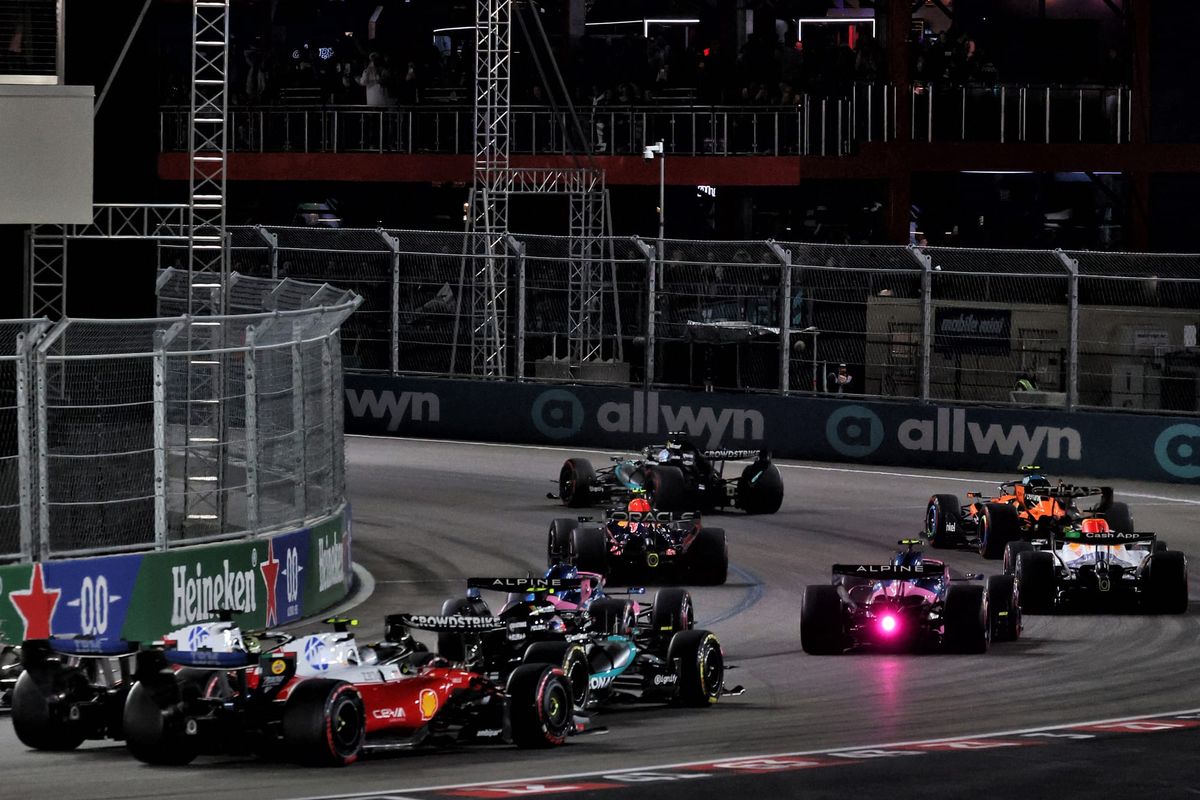
- Chassis: cut minimum weight to 700kg including the driver. Trim 10cm from overall width, 15cm from the wheelbase, and slim the front wing to remove the fragile endplate furniture that causes so much car-to-car damage.
- Engine: a 2.4-litre naturally aspirated V8 capped at 16,000rpm. More capacity than the 2.1-litre the FIA has reportedly settled on means usable torque and the noise the sport has been missing.
- Hybrid: a modest MGU-K — anywhere from 120kW to 350kW — recovering only under braking, with a 50kW deployment window mapped across the rev range to fill torque gaps.
- Overtake mode: 50kW for 10 seconds plus a 500rpm limiter bump, available only to a driver within a second at the line and renewable at the next one if the pass fails.
- Control: every recovery and deployment ramp hard-coded into the standard ECU and driven by rpm and wheel speed, removing driver-managed energy maps entirely.
What's next:
The numbers are deliberately a starting point for argument, not a finished rulebook. Three years of simulation and negotiation should be enough to land on regulations that work for teams, manufacturers and, crucially, the people watching. Mercedes, Audi, Ferrari and Cadillac all sell road cars with sizeable naturally aspirated engines — and the safety and medical cars are hardly efficiency flagships — so the marketing case for heavy hybridisation looks thinner than the sport tends to admit.
Original Article :https://www.the-race.com/formula-1/f1-v8-future-alternative-framework-gary-ander...