





Alpine and Sky Sports Break Radio Protocol for First-Ever Live Driver Link
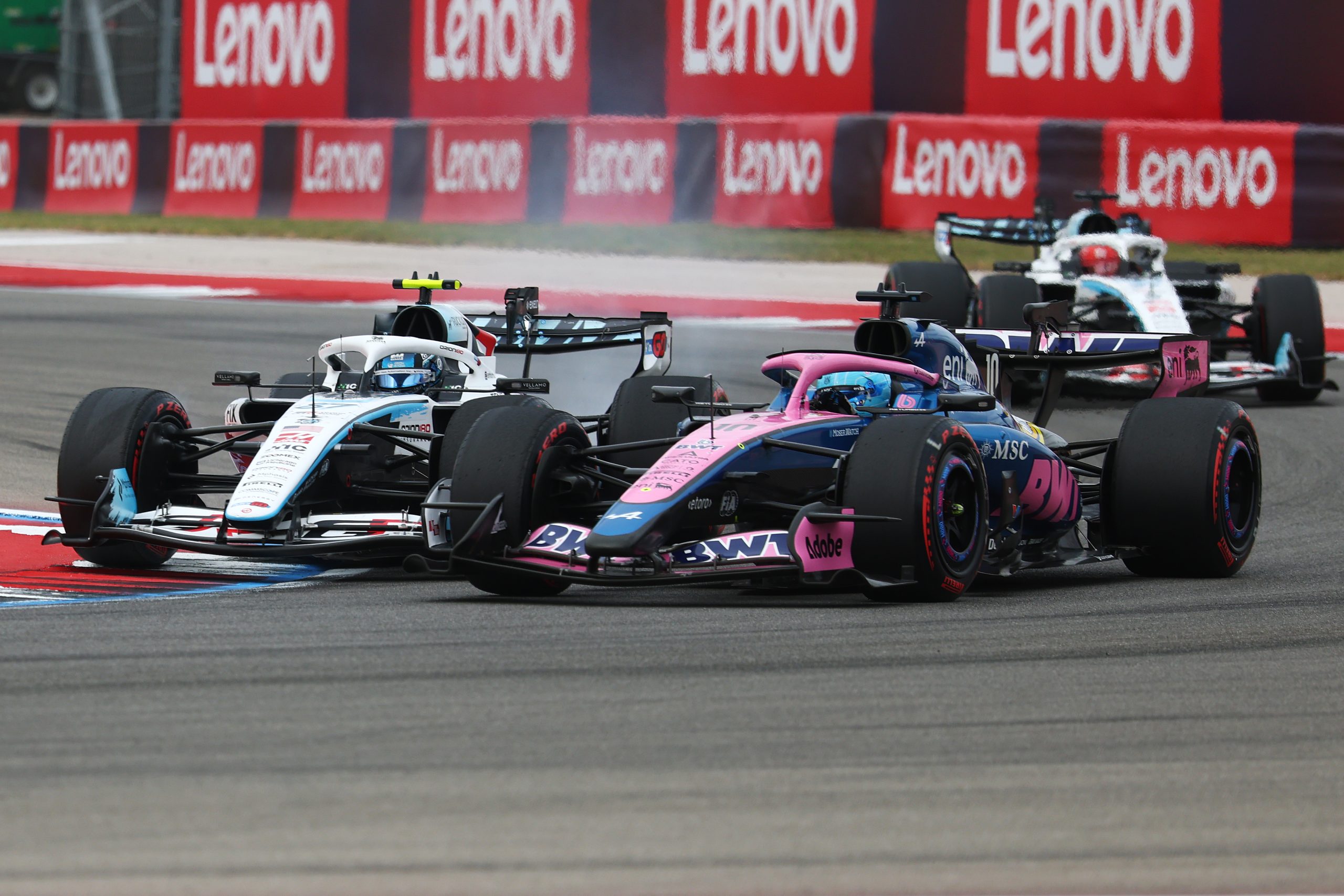
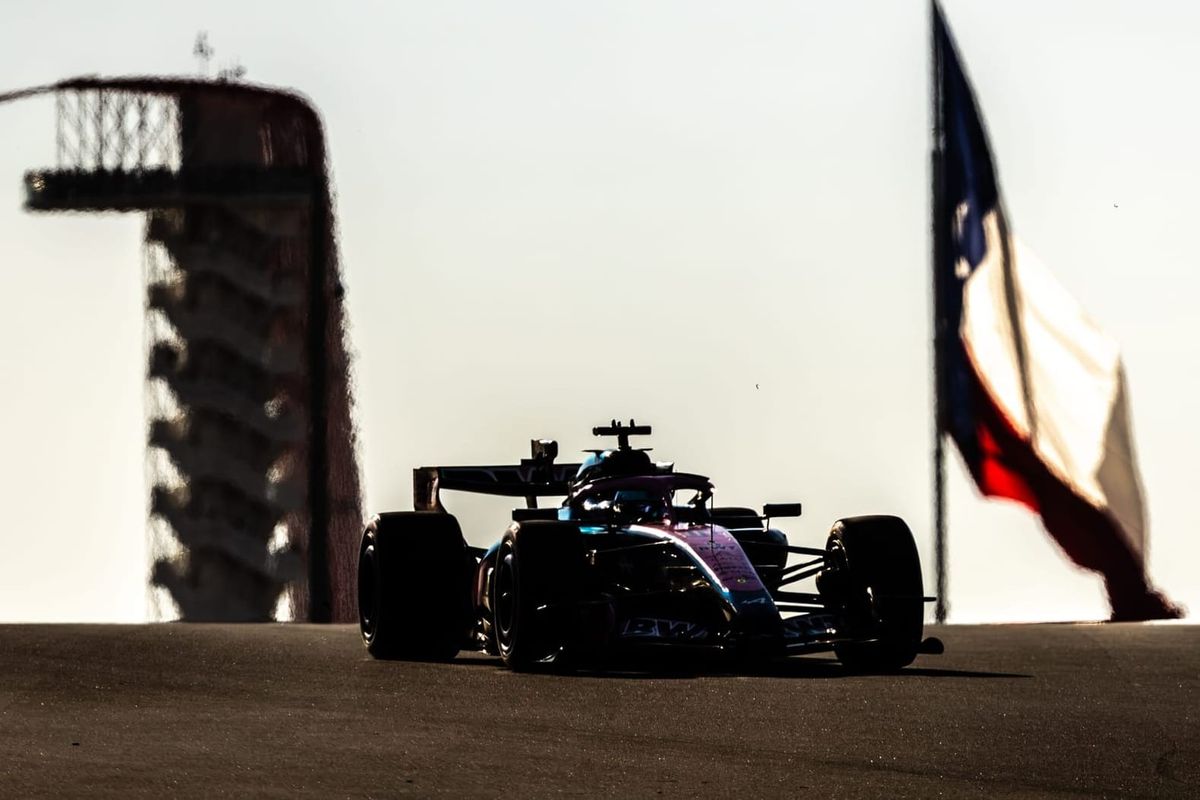
Alpine and Sky Sports F1 have breached one of the sport's most guarded boundaries by establishing a live, two-way radio link between a commentator and a driver. During the US Grand Prix FP1, David Croft took over the communications to guide Pierre Gasly through his practice starts, marking a significant shift in fan accessibility and broadcast innovation.
Why it matters:
The driver-engineer radio channel is traditionally considered "sacred," strictly policed to ensure maximum focus and technical precision. By opening this channel to external media, F1 is experimenting with ways to bridge the gap between the cockpit and the audience, testing whether increased transparency can coexist with the high-pressure environment of a race weekend.
The details:
- The Exchange: David Croft didn't just interview Gasly; he delivered actual technical instructions, including "Strat 7" and burnout orders, ensuring the experiment served a functional purpose rather than being purely performative.
- Technical Pipeline: The audio routing was immense, traveling from Alpine's Enstone base to the race engineer, then to the pitwall, across to Sky in the UK, through Croft's headset, and finally into Gasly's ear.
- Infrastructure: The team utilized a Dante audio box and a dedicated external internet line to create a bi-directional feed, bypassing the standard delayed, one-way feeds typically managed by FOM.
- Risk Management: To prevent accidental interruptions, Sky implemented a physical "push-to-talk" button for Croft, ensuring the driver would not be distracted during critical maneuvers.
What's next:
While the FP1 experiment was a success, expanding this to race conditions remains a distant prospect due to the cognitive load on drivers.
- Driver Resistance: Gasly has explicitly rejected the idea of race-day interviews, citing the increased complexity of managing batteries and strategies in the current 2026-spec cars.
- Strategic Application: Future efforts will likely focus on "low-risk" windows, such as formation laps or grid walks, where the technical pressure is lower and the potential for fan engagement is highest.
Original Article :https://www.the-race.com/formula-1/why-one-team-let-sky-breach-f1s-most-sacred-c...