








Alonso's brutal verdict: 'High-speed corners are now charging stations'
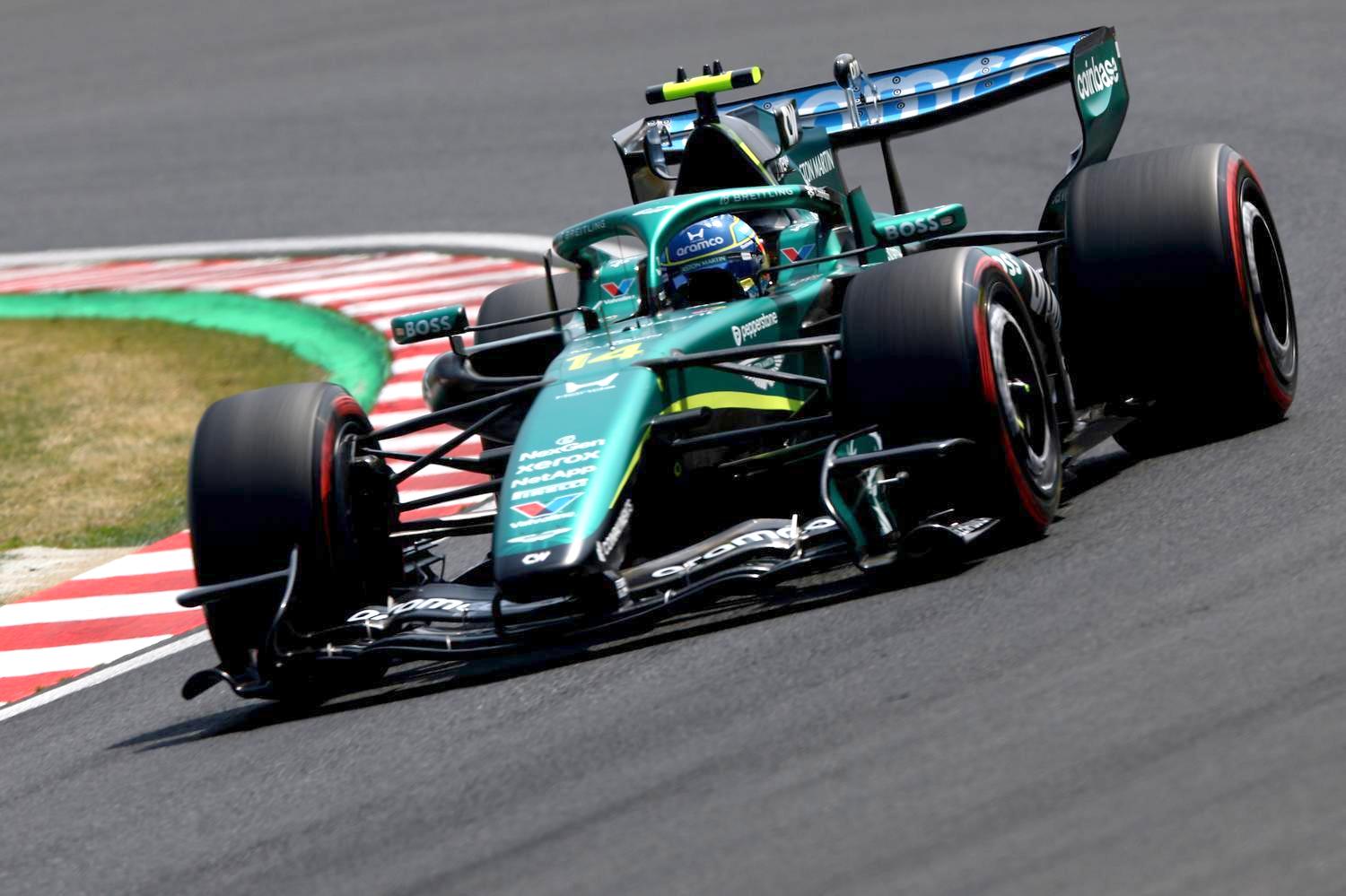
Fernando Alonso has delivered a scathing critique of Formula 1's 2026 regulations, arguing they have fundamentally altered the sport's DNA by turning high-speed corners into energy recovery zones rather than tests of driver skill. The Aston Martin driver's comments, highlighted after the Japanese Grand Prix, suggest the primary challenge is now managing battery power, not pushing a car to its limit. This shift, he warns, risks eroding the very essence of elite racing.
Why it matters:
Alonso’s critique strikes at the core of Formula 1's identity as the pinnacle of motorsport, where driver bravery and car control were paramount. If the sport's most demanding circuits no longer separate the great from the good, it challenges the fundamental premise of competition. His warnings come as the FIA examines the regulations following incidents linked to energy management, indicating his concerns are shared at the highest levels of the sport.
The details:
- Alonso stated that the art of driving has been diminished, quipping that "50% of the team members could drive Suzuka" under the current energy management paradigm.
- He specifically identified high-speed corners as the new "charging stations," where drivers must go slow to harvest energy for use on the straights, removing the traditional challenge.
- This was exemplified at Suzuka's legendary 130R corner, which drivers now navigate conservatively to prevent the hybrid system from de-rating on the following straight.
- The early season has been dominated by talk of "superclipping" (exceeding energy deployment limits) and managing de-rates, with Oliver Bearman's crash in Japan prompting an FIA review of the rules' safety implications.
- Alonso is skeptical that quick fixes will address the core issue, believing the bias toward energy saving on straights is fundamentally baked into the 2026 regulations.
Looking ahead:
The sport's powerbrokers are set to meet to discuss potential changes, but Alonso's bleak assessment suggests he sees no return to the driver-centric challenge of the past.
- Any immediate fixes may reduce the frequency of de-rates and superclipping, but are unlikely to restore the need to push a car to its absolute limit in high-speed sections.
- The long-term question Alonso poses is what remains for drivers to prove if the most demanding parts of a track are neutered, potentially reshaping how talent is evaluated in Formula 1's new era.
Original Article :https://f1i.com/news/562496-alonsos-brutal-verdict-high-speed-corners-now-chargi...