



Alonso: Hybrid Era Has Cost F1 a Decade of Pure Racing
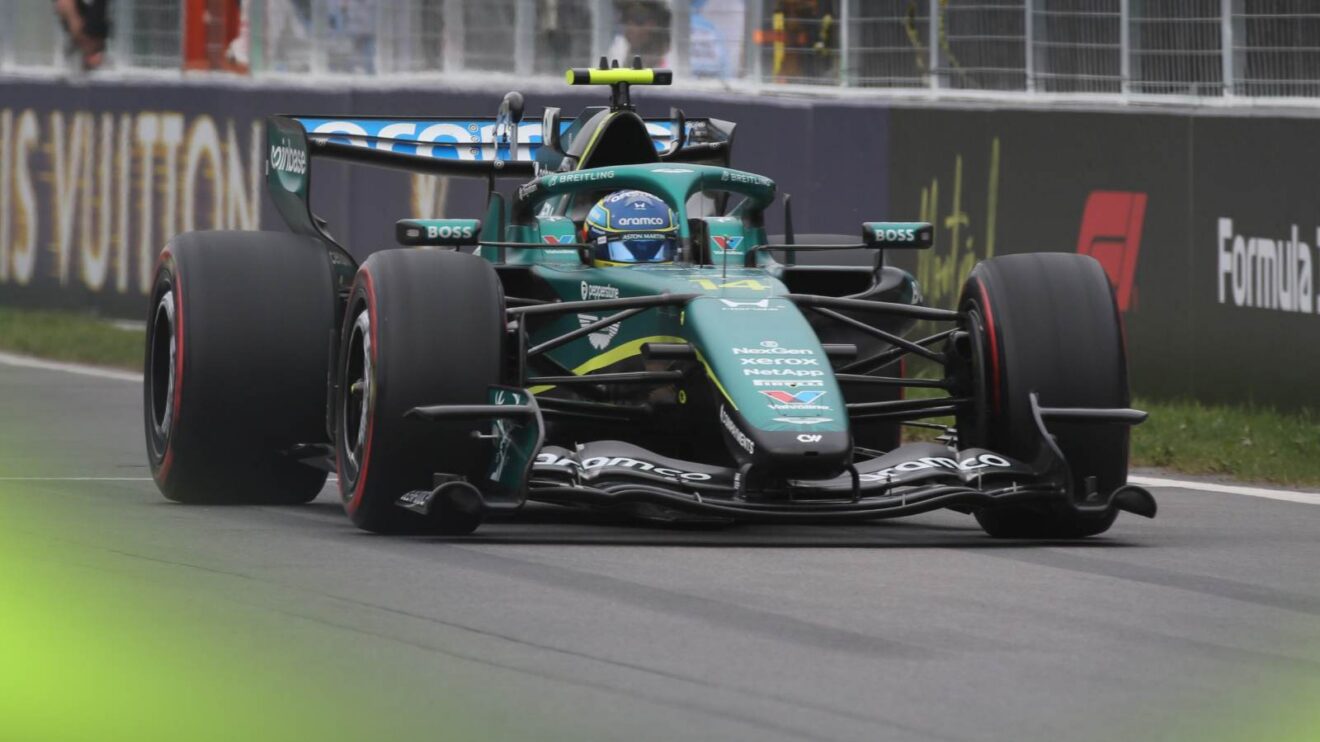
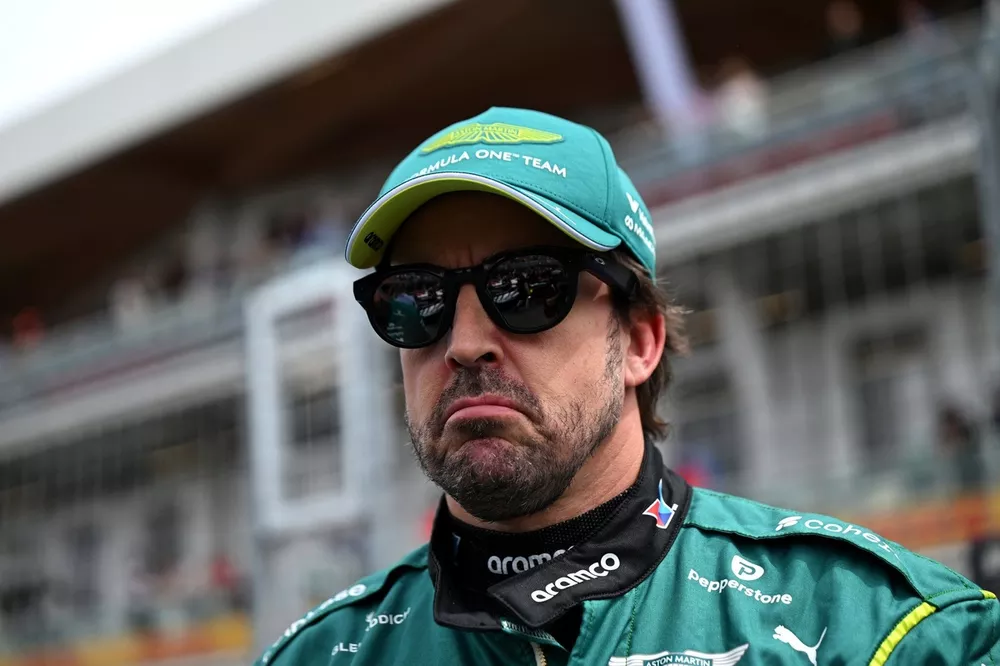
Fernando Alonso has never hidden his disdain for the direction of Formula 1's engine regulations. From pre-season testing in Bahrain to the Canadian Grand Prix, the two-time champion has repeatedly argued that a car so reliant on energy recovery reduces risk through corners—the very area where drivers should make the difference. Now, with F1 exploring a shift from the near 50:50 electric-to-ICE split to a 60/40 balance for 2027 or 2028, Alonso has doubled down: he believes the hybrid era has cost the sport nearly a decade of genuine racing.
Why it matters:
The debate cuts to the core of F1's identity—whether technological progress is enhancing the spectacle or suffocating driver artistry. The outcome of these rule discussions could reshape how cars perform and how races unfold for years to come, with manufacturers and fans alike watching closely.
The details:
- Alonso insists that even a 2027 change won't fix the underlying issue: "We had this period from 2014 with the turbo era, and now even more that we lost nearly one decade or even more of pure racing." He argues electrification was designed for road cars, not competition.
- The current 2026 rules force drivers to manage battery state and throttle usage meticulously, especially in qualifying. At some circuits, full electrical deployment isn't possible, leading to speed loss at the end of straights—a phenomenon known as derating.
- Oscar Piastri explained in Montreal that the balancing act of battery levels and turbo boost is unavoidable without hardware changes: "No matter what the split is, you're going to have these troubles… there's not really a solution apart from changing the hardware."
- Weight is another criticism: the addition of electric motors and a battery has made cars heavier and less agile, contrary to drivers' long-standing request for lighter machinery.
- Carlos Sainz offered a more tempered view, calling electrical power an "add-on rather than a dependency" but acknowledging that drivers will never be fully satisfied. He sees a return to 60/40 as a step in the right direction until true racing can return.
What's next:
Negotiations are ongoing, but manufacturers have yet to agree on a timeline. Changes could slip from 2027 to 2028. Meanwhile, F1 is also exploring shorter race formats to unlock further technical flexibility. The sport faces a delicate balance: embracing efficiency without alienating the core racing DNA that defines it.
Original Article :https://www.motorsport.com/f1/news/with-hybrid-engines-weve-lost-a-decade-of-rea...