




A Champion's Perspective on the Tense Dance Between F1 Drivers and the Media
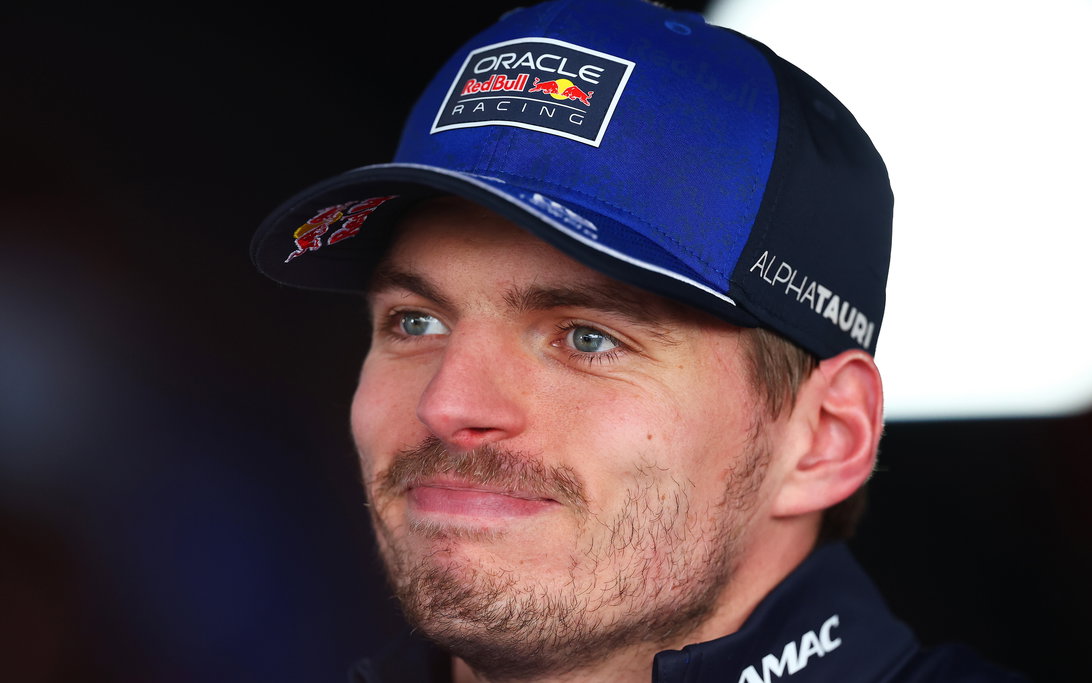
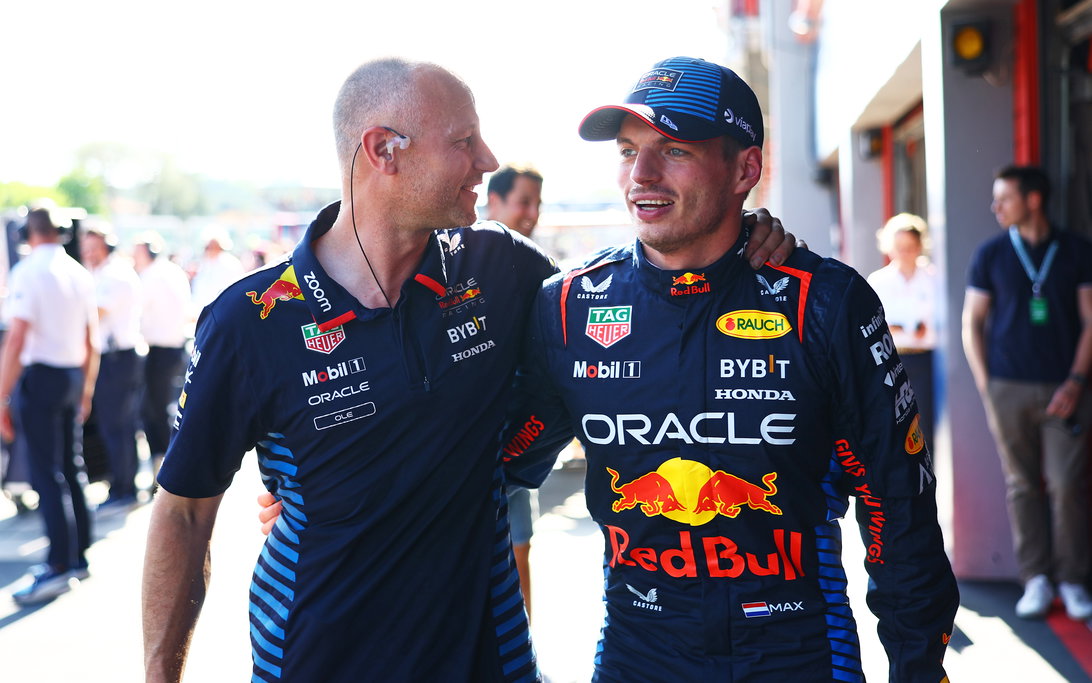
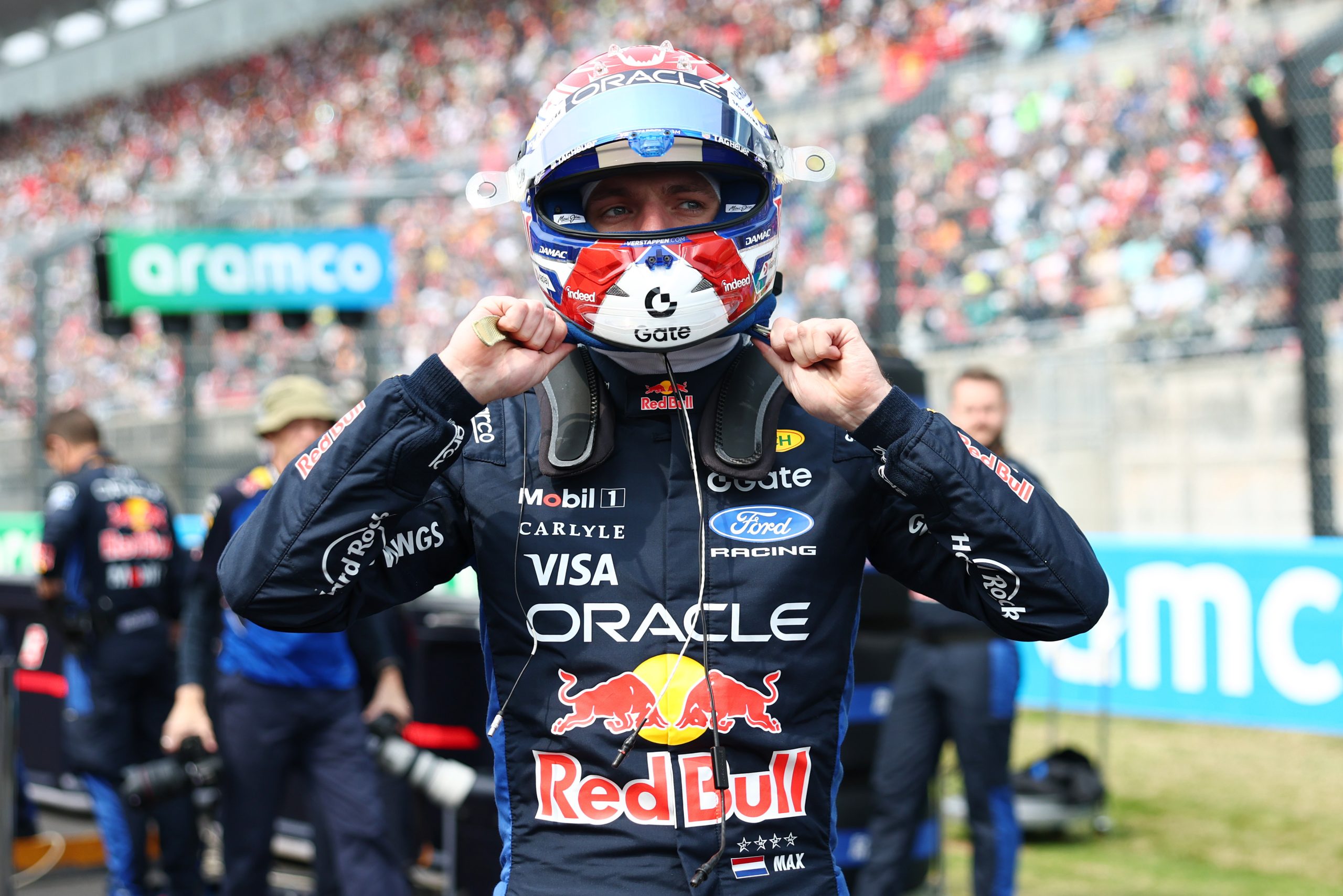
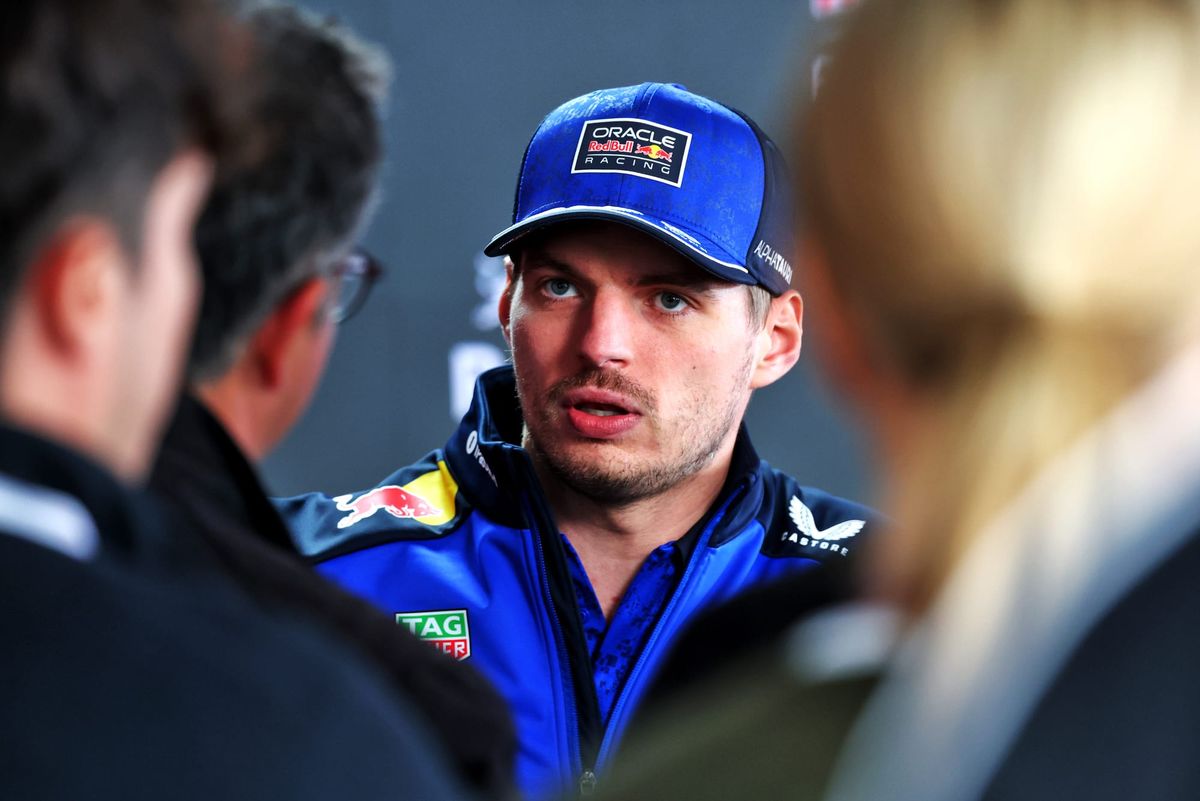
Max Verstappen's recent ejection of a journalist from a press conference in Japan reignited the perennial debate about the often-fraught relationship between Formula 1 drivers and the media. 1996 World Champion Damon Hill, reflecting on his own career and recent media work, offers a unique perspective on this essential but complex dynamic, arguing that tension, while difficult, is a vital part of the sport's ecosystem.
Why it matters:
The driver-media relationship is a fundamental pillar of F1, shaping narratives, fan engagement, and even team dynamics. In an era where teams and commercial rights holders increasingly seek controlled messaging, understanding this push-and-pull—from brutal headlines to celebratory train rides—reveals the human pressure-cooker at the heart of the sport and why unfiltered moments still matter.
The Details:
- Hill's Personal Experience: Damon Hill has lived both sides of the story, from celebrating his 1996 title with Fleet Street journalists on a bullet train to Tokyo to being labeled a "prat" in headlines after a collision with Michael Schumacher.
- A Parallel Incident: Hill himself once ejected a journalist, Andrew Benson, from the Williams motorhome in 1996 after a magazine cover story speculated he was being dropped—a story Hill initially dismissed but which later proved true.
- Changed Perspective from the Other Side: Hill states that working as a pundit for Sky Sports gave him crucial insight he wishes he'd had as a driver. He believes this media perspective would help current drivers like Verstappen navigate difficult situations, understanding that dealing with the press is "a very, very important part of the job."
- The Value of Tension: Hill argues that constant "good news" stories are dull and that the risk, pressure, and occasional bad news are what make F1 fascinating. He cautions against the sport's business side smoothing over every "bump and crack," as it's the exposure and judgment that captivate audiences.
What's Next:
The dance between drivers and the media will continue to evolve, especially with the growth of social media and controlled content like Drive to Survive. However, Hill's insights and Alonso's quoted mantra—"if you can't deal with the truth, then you're in the wrong place"—suggest that raw, unscripted moments and tough questions remain an irreplaceable, if challenging, part of Formula 1's appeal. The pressure to perform under the global spotlight, including in press conferences, is ultimately what separates the sport from mere corporate public relations.
Original Article :https://www.the-race.com/formula-1/f1-stars-vs-the-media-a-champions-theories/
