




Your guide to the 2026 F1 rule changes and new vocabulary
Formula 1 enters a new technical era in 2026, introducing a sweeping set of regulations that will change how the cars look, perform, and are driven. Alongside the new hardware comes a simplified vocabulary, developed by the FIA and teams, to help fans understand the sport's most significant shift in a generation.
Why it matters:
The 2026 rules represent a fundamental reset aimed at creating closer racing, increasing the importance of electrical power, and making the technology more sustainable and understandable. Mastering the new terminology is key to following the strategic battles that will define this new chapter, as terms like DRS and MGU-H are replaced by a fresh lexicon centered on energy management and active aerodynamics.
The Details:
The 2026 overhaul touches every part of the car, from its size and power unit to its aerodynamic philosophy. Here are the essential new terms and concepts:
- Active Aerodynamics: Replacing DRS, this system adjusts both the front and rear wing. It has two modes: Straight Mode for low drag on straights and Corner Mode, the default high-downforce setting for the rest of the track.
- Overtake Mode: The new primary passing aid. Activated when within one second of a car ahead in a designated zone, it delivers a burst of additional electrical energy rather than simply opening a rear wing flap.
- Boost Mode: A separate, driver-deployable tool that uses stored Energy Recovery System (ERS) energy anywhere on track to attack or defend, without needing to be near another car.
- Recharge: The critical process of harvesting energy back into the battery during a lap, via braking, partial throttle, or new techniques. Circuits will be classified as energy-rich or energy-poor, directly influencing strategy.
- Superclipping: A new method of harvesting energy while the driver is at full throttle, momentarily using the motor-generator (MGU-K) to recover energy, which can cause a slight reduction in speed.
- Compression Ratio: A key engine parameter that has been reduced for 2026, reflecting the shift towards sustainable fuels and a greater reliance on electrical power.
- Turbo Lag: With the complex MGU-H component removed, managing the delay in turbocharger response becomes a renewed challenge, especially at race starts.
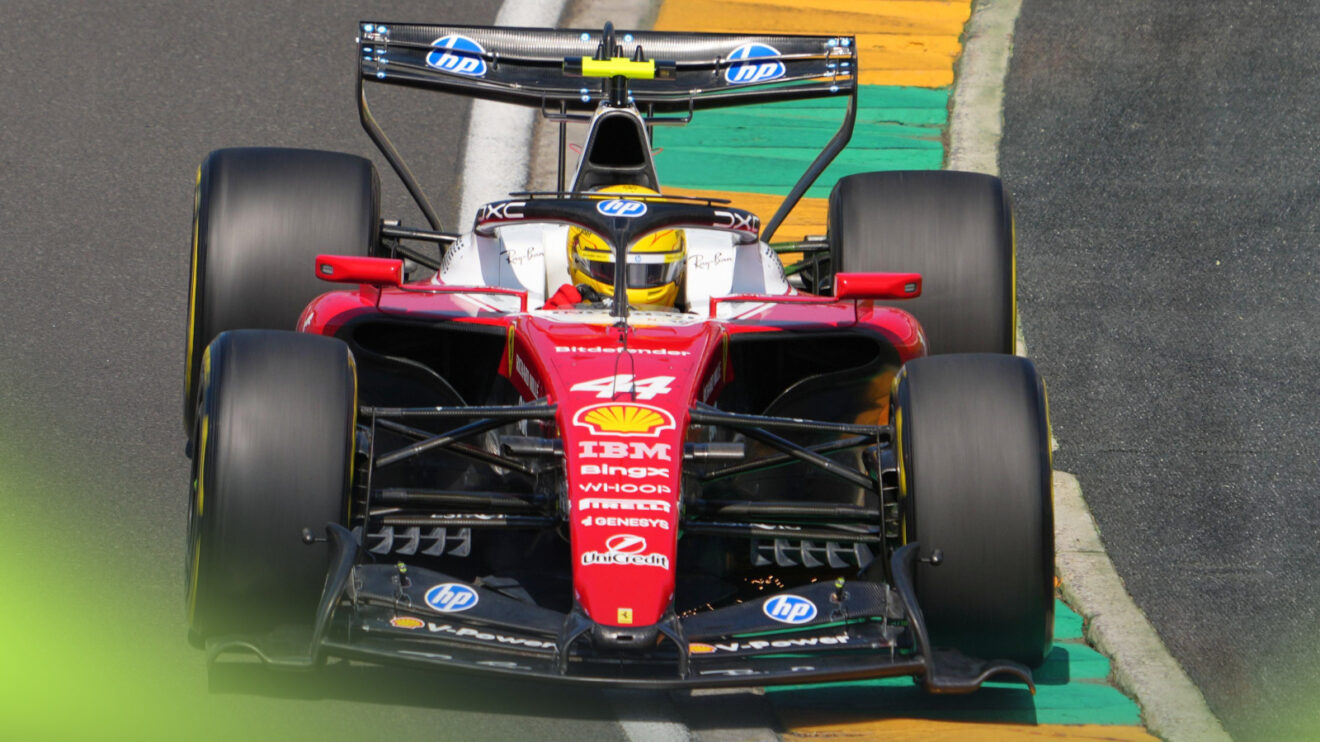
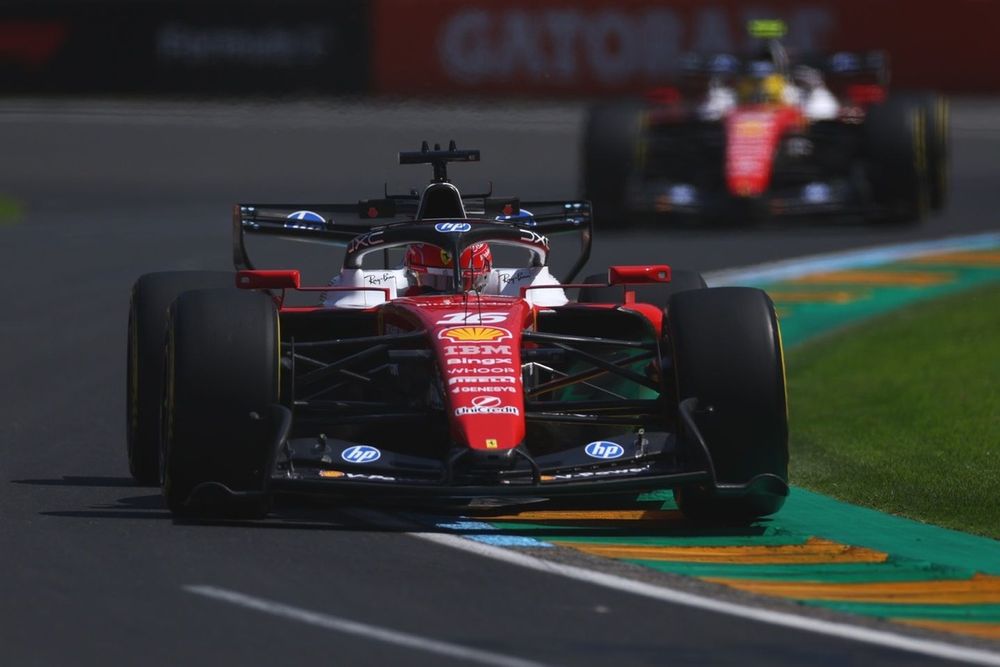
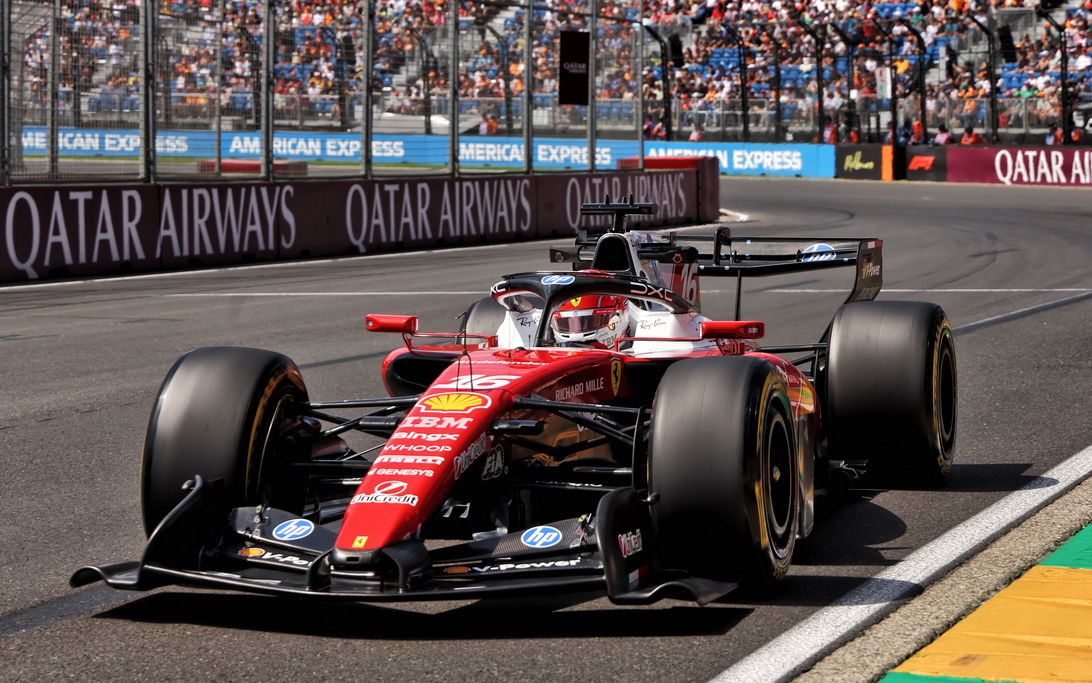
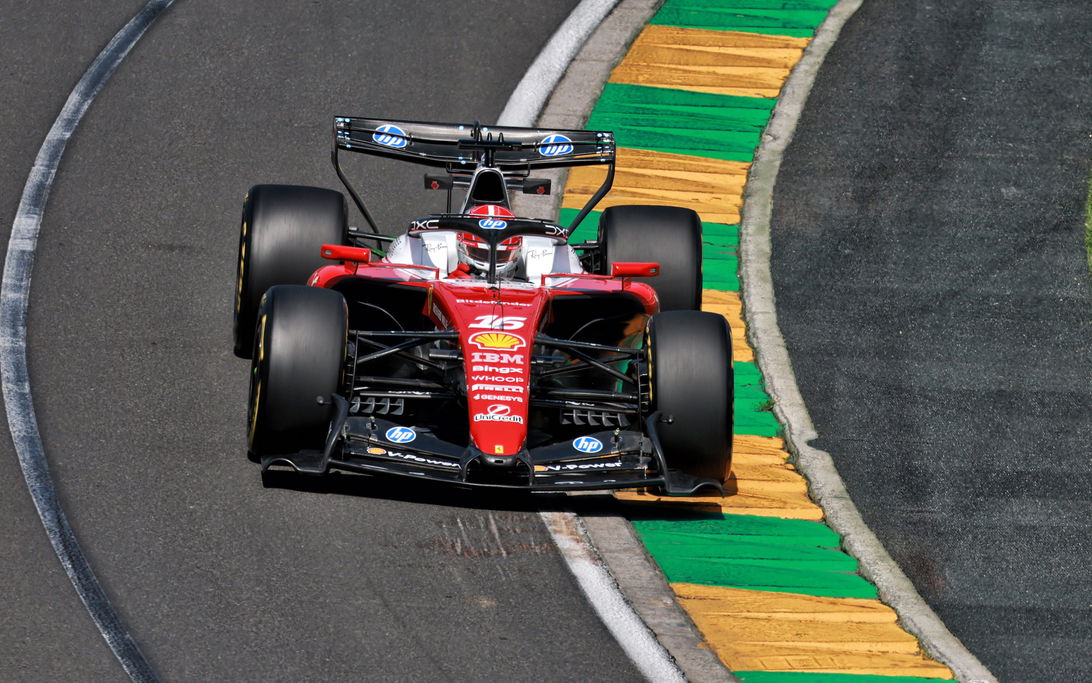
- Flat Floors: The cars abandon ground-effect venturi tunnels for a simpler flat floor, aiming to reduce aerodynamic wake and improve following. Combined with active aero, this significantly cuts downforce and drag. The cars will be smaller (minimum weight 770kg) and run on narrower 18-inch Pirelli tires.
What's next:
The 2026 season will be a massive learning curve for teams and drivers, turning every race into an experiment in energy management and active aero strategy. Success will hinge on perfecting the balance between combustion and electric power—nearly a 50/50 split—and optimizing the new tools like Overtake and Boost Mode. How quickly teams adapt will define the early competitive order of this new era.
Original Article :https://speedcafe.com/f1-news-2026-formula-1-terminology-explained-what-is-super...