




Wolff: Verstappen's Simulator Edge Gives Him Head Start for 2026 F1 Changes
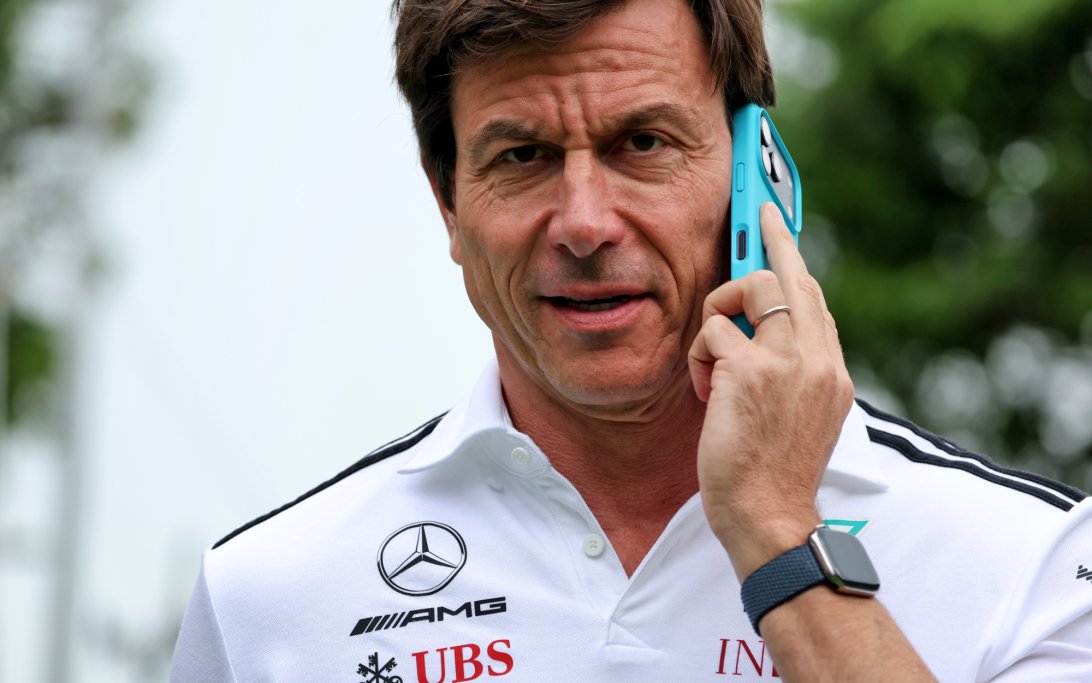
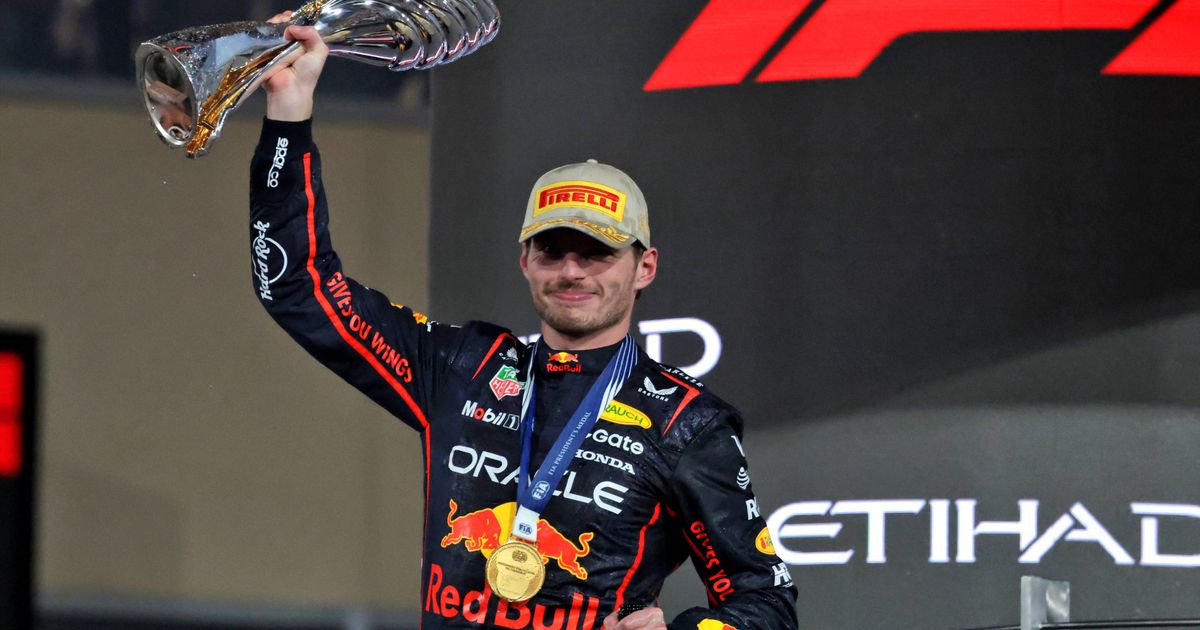
Mercedes Team Principal Toto Wolff believes Max Verstappen and his generation of simulator-fluent drivers will hold a significant advantage when Formula 1 introduces its radically new 2026 technical regulations. The upcoming cars, featuring a 50/50 split between combustion and electric power, will place a premium on complex energy management, a skill Wolff says is honed in the virtual world.
Why it matters:
The 2026 rules represent the most significant technical shift in a generation, potentially resetting the competitive order. A driver's ability to quickly master the new energy deployment strategies could be as crucial as the car's raw performance, making pre-adaptation through simulation a key differentiator. This highlights a growing divide between drivers who treat the simulator as a core tool and those who view it as a chore.
The details:
- Wolff pinpointed the new power unit's 50% electric component as the central challenge, stating drivers will need to "compensate for a lack of electric power on every single lap," especially on circuits with long straights.
- He framed the in-race energy management as a strategic "chess component," where deciding when and where to deploy electrical energy will be critical.
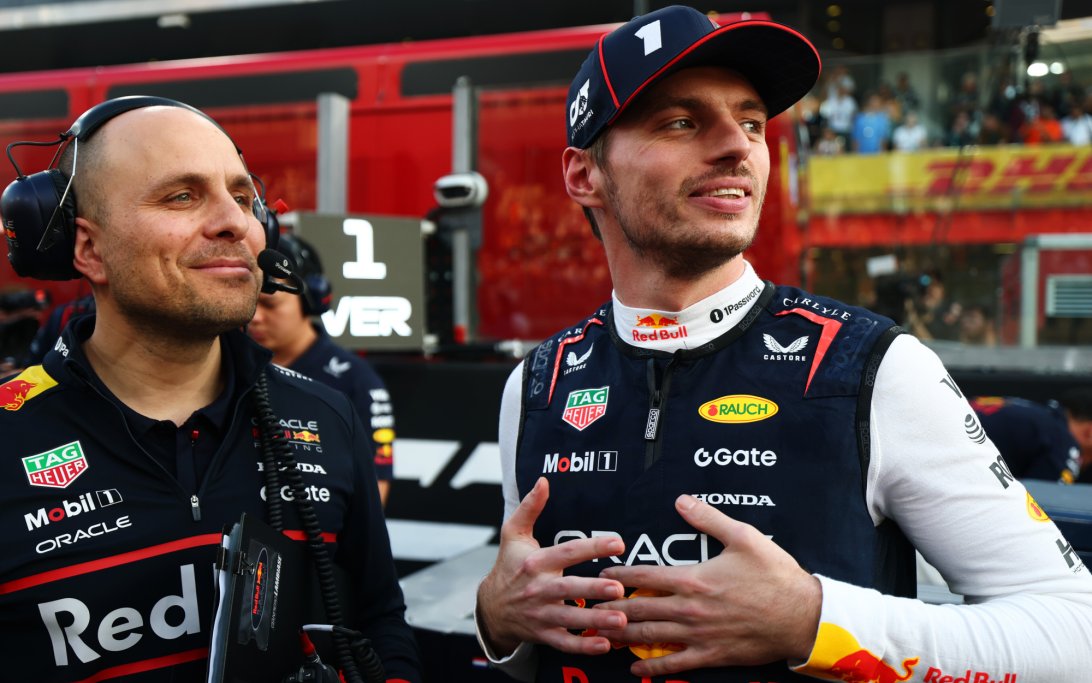
- The Simulator Generation: Wolff identified Verstappen and George Russell as prototypes of the modern driver who "work on the simulator, and they enjoy that." He argues this intrinsic comfort with virtual development provides a tangible head start.
- Verstappen's Case Study: The Red Bull driver is cited as the prime example, with years of elite sim-racing experience through Team Redline and even real-world GT racing at the Nürburgring this year, blending virtual skills with physical feedback.
What's next:
As teams finalize their 2026 car concepts in the coming year, driver-in-the-loop simulator work will become increasingly vital. Drivers who can effectively translate virtual testing data into real-world performance insights will give their teams a crucial development edge. While the car remains paramount, Wolff's comments underscore that in a new regulatory era, the driver's role as a systems manager and simulator collaborator may define the early pecking order.
Original Article :https://www.gpblog.com/en/news/why-wolff-believes-verstappen-is-primed-to-thrive...
