





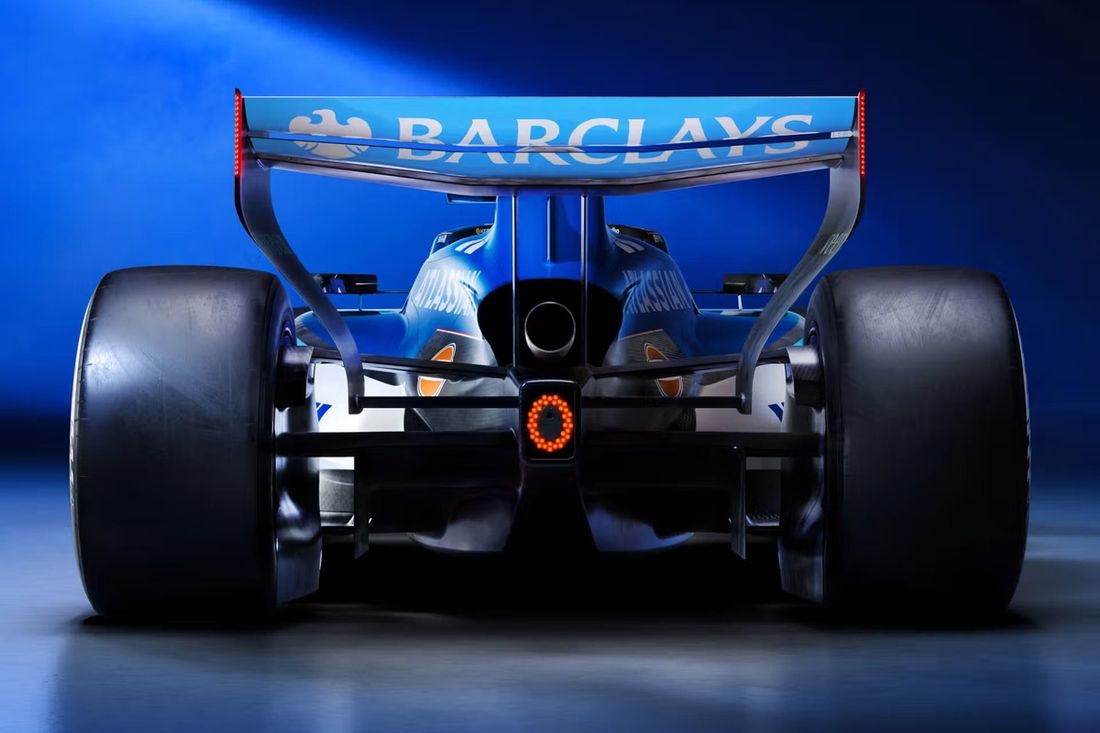
Williams explains the power trick that could define F1 in 2026
Williams engineers reveal that the 2026 F1 cars will require drivers to adopt radical new techniques, like using extremely low gears through corners, to harvest enough electrical energy. This shift is forced by new power unit rules that triple the electric motor's output but offer only a modest increase in battery capacity, making energy recovery a central performance differentiator.
Why it matters:
The 2026 regulations represent the most significant technical overhaul in a decade, shifting the competitive battleground from pure aerodynamic efficiency to integrated energy management. How teams solve the puzzle of generating and deploying electrical power will likely determine the initial competitive order, potentially reshuffling the grid based on which manufacturer best masters the new hybrid complexity.
The details:
- The 2026 power units will feature a 350 kW electric motor, a massive jump from the current 120 kW, but battery capacity will not scale proportionally. This creates a fundamental energy deficit per lap.
- To compensate, drivers will need to harvest energy aggressively during the lap, not just under braking. Williams Technical Director Matt Harman stated drivers may pull first gear in corners—a rarity in modern F1—to maximize recovery in key lap segments.
- This tactic presents a major stability challenge, forcing engineers to develop sophisticated control systems for the power unit and rear end to manage the unsettling effects of low-gear harvesting.
- Teams are exploring running the internal combustion engine (ICE) at high revs through certain corners purely to act as a generator, creating a unique soundtrack where engines scream even when the car isn't accelerating.
- Williams' Head of Trackside Engineering, Angelos Tsiaparas, likened the process to a hybrid road car, where the system can harvest energy without braking. The scale and strategic importance of this process, however, will be "way more potent" in F1 due to the tripled electrical power.
The big picture:
Success in 2026 will hinge on seamless integration between the chassis and the new power unit. Teams with advanced integration can optimize their entire package for performance, while those struggling may be forced into inefficient operational compromises. For fans, this means witnessing unfamiliar driving styles and hearing unexpected engine notes, as the sport's soundtrack and on-track behavior become direct reflections of a hidden energy war. The development race is no longer just about downforce and drag; it's about intelligently managing every joule of energy around the circuit.
Original Article :https://f1i.com/news/558436-williams-explain-power-trick-that-could-define-f1-in...


