


/GettyImages-2298178390.webp)


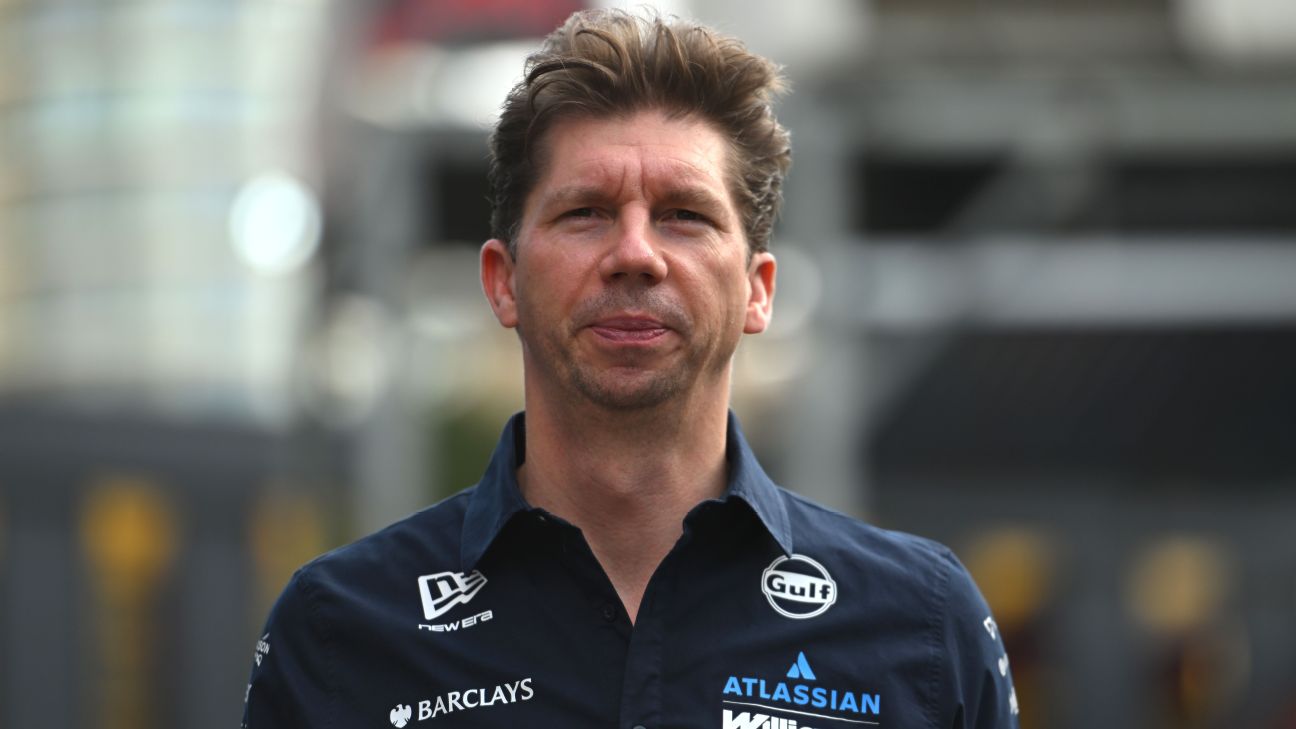
Williams Boss James Vowles Warns of F1's 'Two-Tier Championship' Cost Cap Trap
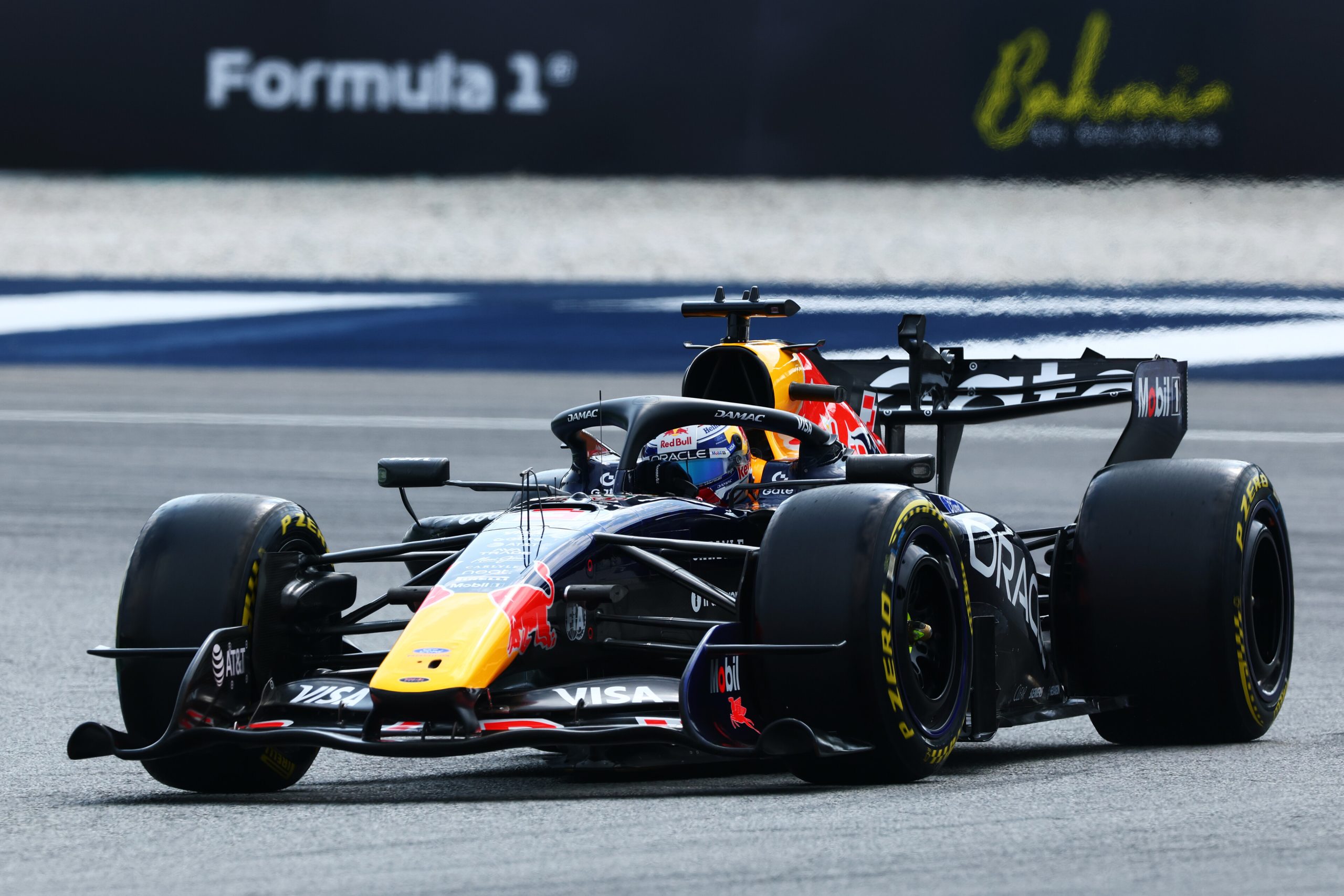
Williams Team Principal James Vowles has sounded the alarm on the "cost cap trap," arguing that while Formula 1 has achieved unprecedented financial stability, the regulations have inadvertently created a two-tier championship. Vowles contends that the gap between the elite frontrunners and the midfield has widened, fundamentally failing the sport's goal of field compression.
Why it matters:
This critique highlights a systemic flaw in F1's current economic model. If the cost cap forces struggling teams to choose between basic operational infrastructure and on-track performance, the competitive hierarchy becomes frozen. For a sport aiming to attract new OEMs and maintain fan engagement, a permanent divide between the "haves" and "have-nots" threatens the long-term integrity of the competition.
By the numbers:
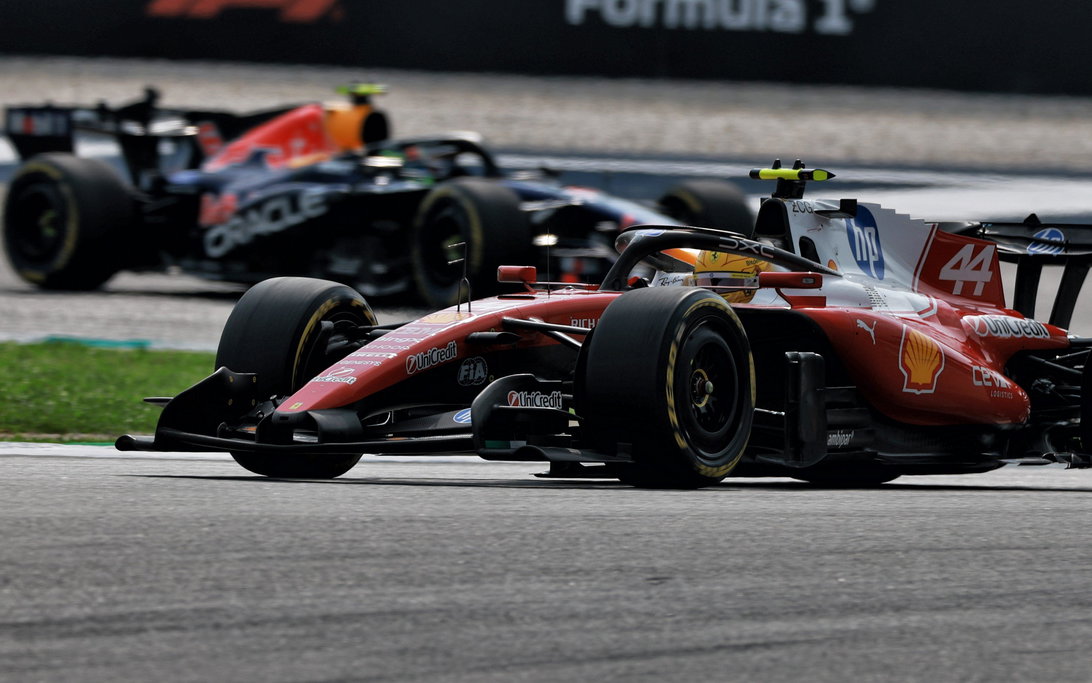
- Points Concentration: The top four teams now secure 83% of all points, a significant increase from the 70% range seen in the pre-cap era.
- Podium Scarcity: Midfield teams reach the podium only 5% of the time, down from 10% before the regulations were implemented.
- Valuation Boom: The financial success is undeniable, with Williams' valuation leaping from under $200M in 2020 to an estimated $2.5 billion by 2025.
The details:
- The Infrastructure Gap: Vowles explains that smaller teams must spend millions on basic systems—such as simple part-tracking software—that top teams already possess.
- The Performance Trade-off: Every dollar spent on these operational basics is a dollar diverted from front wings, floor upgrades, or wind tunnel development.
- The "Trap": Investing in short-term performance now slows future infrastructure growth, while investing in the future leaves the team uncompetitive in the present.
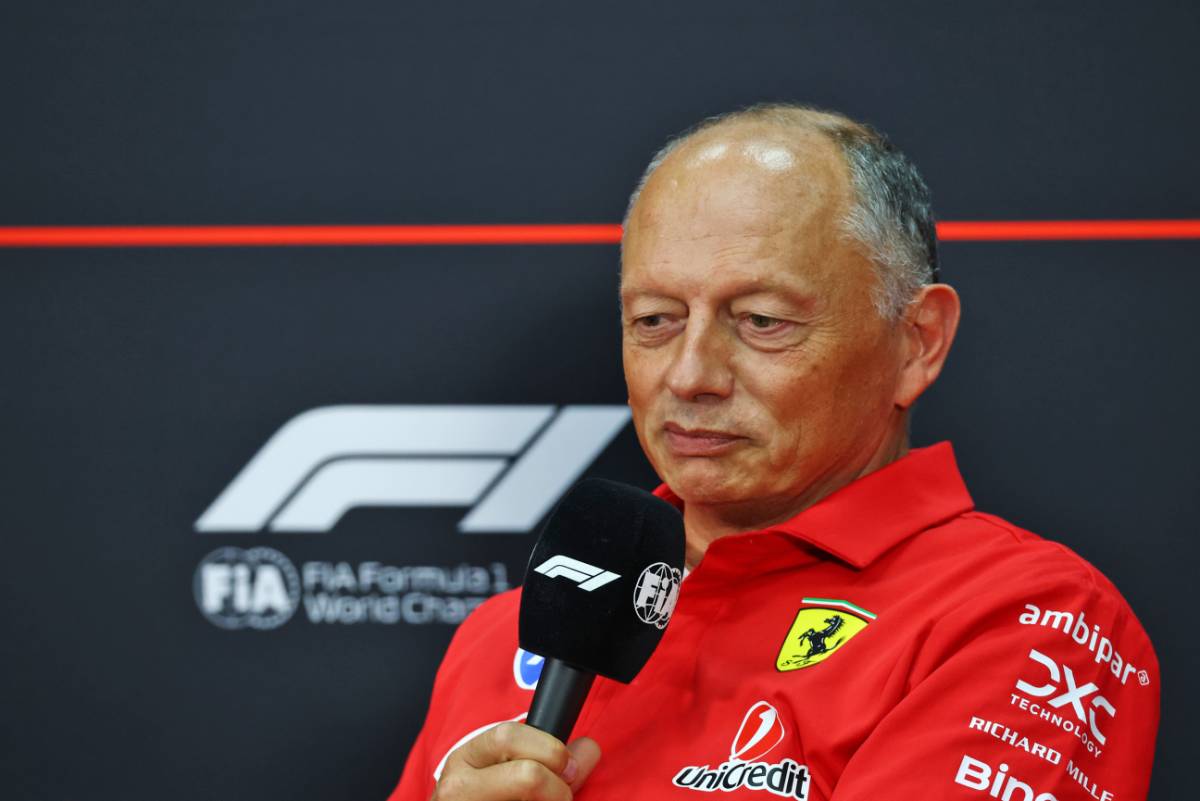
- The Counter-Argument: Ferrari boss Fred Vasseur maintains that the cap is essential, noting it prevents team bankruptcies and makes the sport more attractive to new investors.
What's next:
Vowles is not calling for the abolition of the cost cap, but rather a radical rethink of its mechanisms. As the sport progresses through the 2026 era, the pressure will mount on the FIA to introduce a more nuanced system that accounts for historical infrastructure deficits, ensuring that sporting equity is not sacrificed for financial viability.
Original Article :https://www.espn.com/f1/story/_/id/50074939/williams-boss-vents-f1s-cost-cap-tra...