




Why Verstappen's Austria qualifying crash initially prompted only single yellows
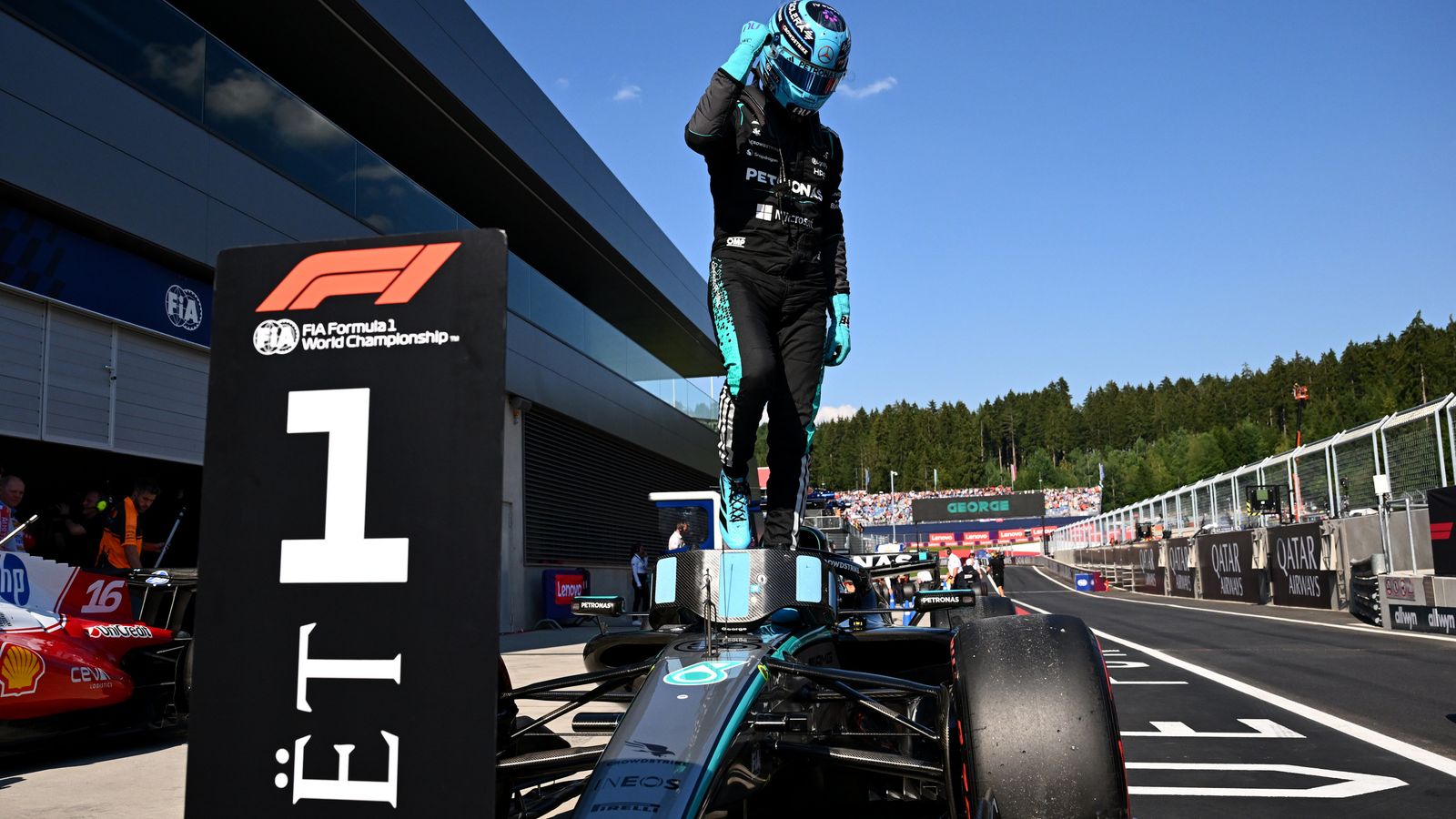
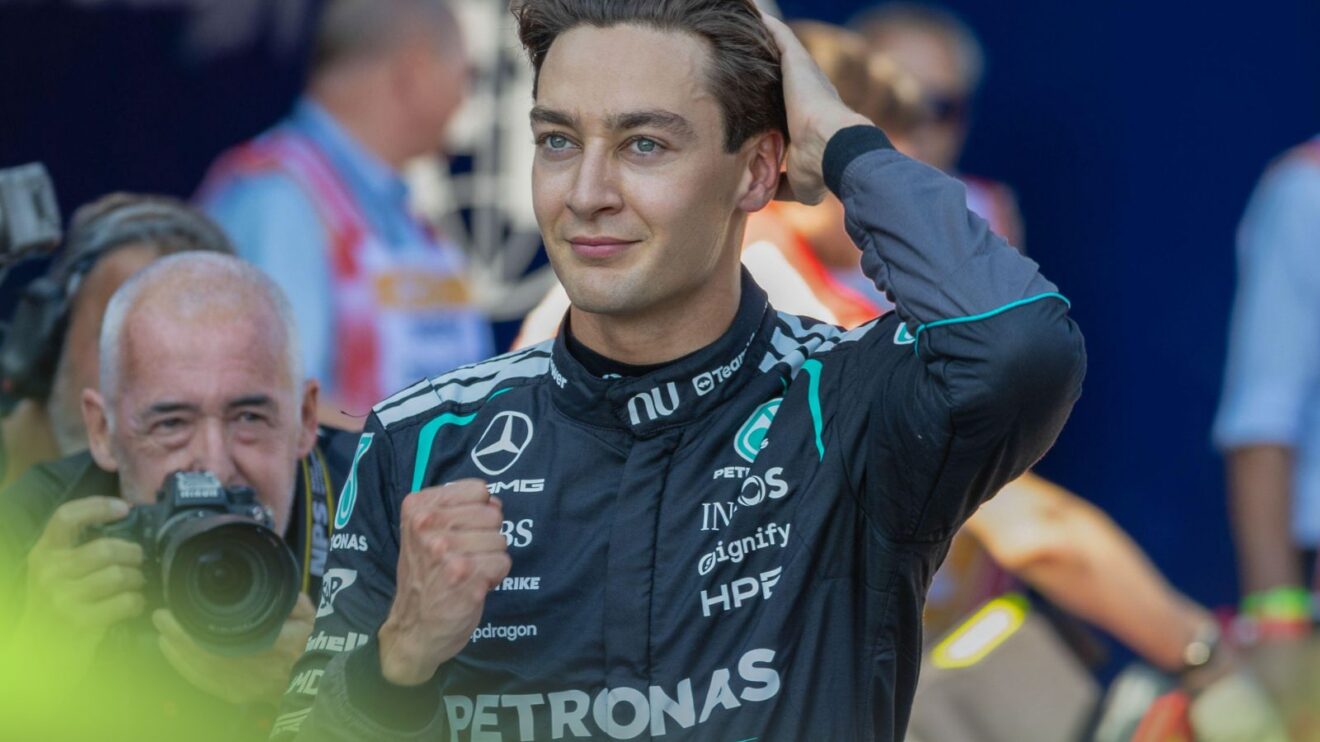
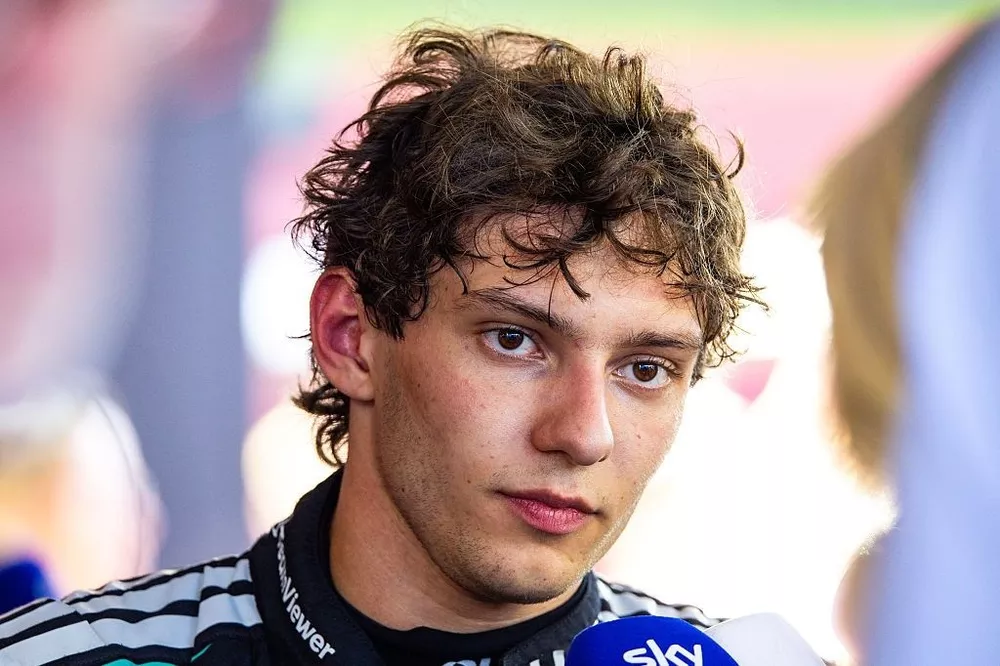
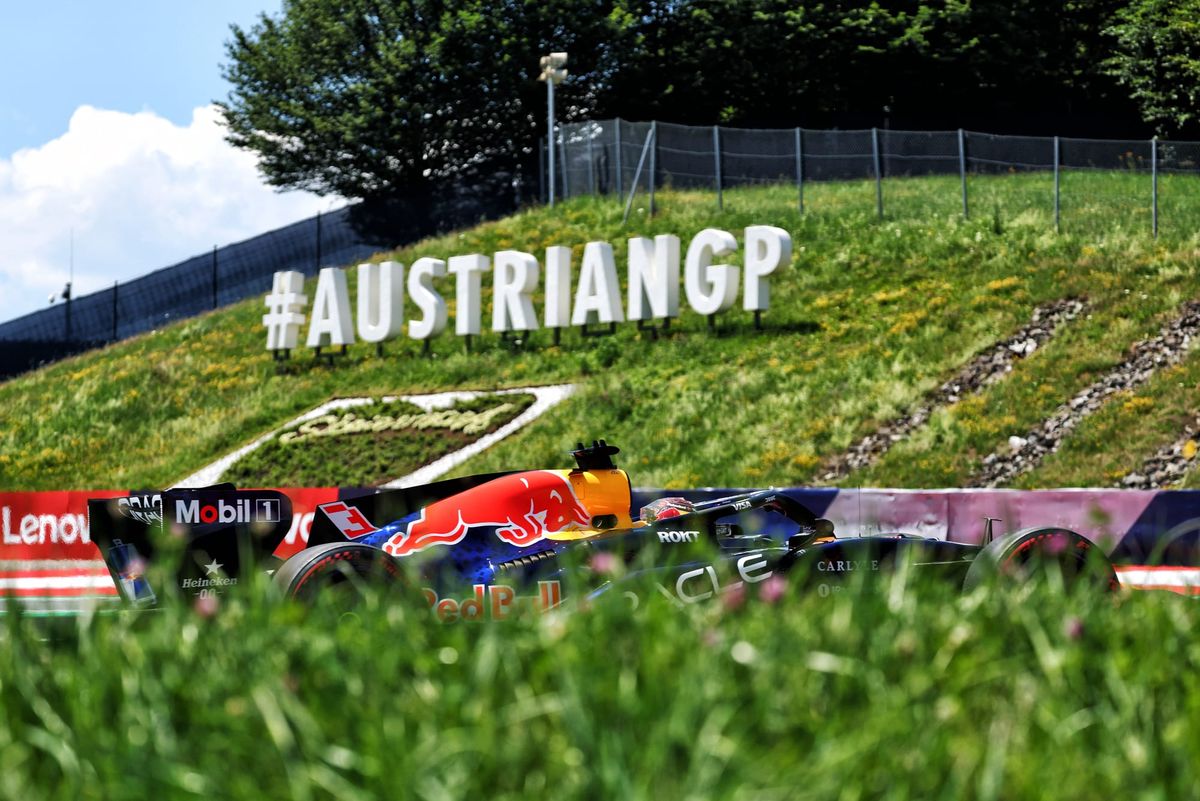
Race control's refusal to immediately deploy double waved yellows after Max Verstappen's qualifying crash in Austria created a 22-second gap that allowed George Russell to claim pole while Kimi Antonelli abandoned his lap. Officials opted to wait and see if Verstappen could restart before escalating the flag status at the Red Bull Ring.
Why it matters:
Double yellows trigger automatic lap deletions in F1, instantly erasing qualifying efforts, whereas single yellows only require drivers to lift and show caution. Race control's measured approach exposed the tension between preserving competitive integrity and ensuring safety — a balance that becomes critical when pole positions are decided by fractions of a second.
The details:
- Verstappen crashed at Turn 9 in the closing stages of qualifying, prompting an immediate single yellow from the local marshal.
- Russell and Antonelli were both on push laps as they approached the incident, passing the zone while it remained under single yellows.
- Antonelli mistakenly believed he saw double waved yellows and backed off, while Russell adhered precisely to the single-yellow procedure — lifting where required — allowing his pole lap to stand.
- Race control delayed upgrading to double yellows due to the sizeable run-off, absence of marshals on scene, and the possibility that Verstappen could restart and return to the pits.
- The status was only elevated once Verstappen was confirmed stranded, by which time Russell had already crossed the line.
Between the lines:
This incident underscores the difficult judgment calls race control faces when cars go off in recoverable positions. By gambling that the run-off provided sufficient margin, officials protected the competitive validity of laps in progress but left rivals questioning whether the delay was appropriate. The episode will likely spark fresh debate over whether qualifying flag protocols need sharper guidelines when crashes occur in areas where cars might quickly rejoin.
Original Article :https://www.the-race.com/formula-1/why-max-verstappen-crash-only-prompted-single...