


Verstappen's Strategic Restraint in F1 Title Decider
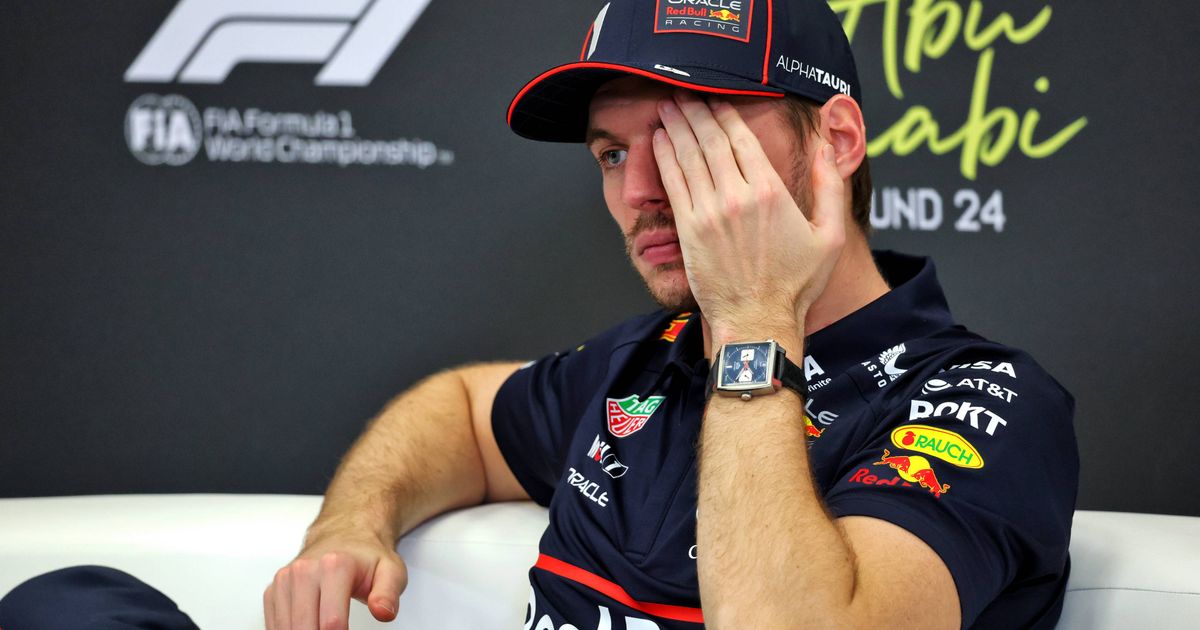
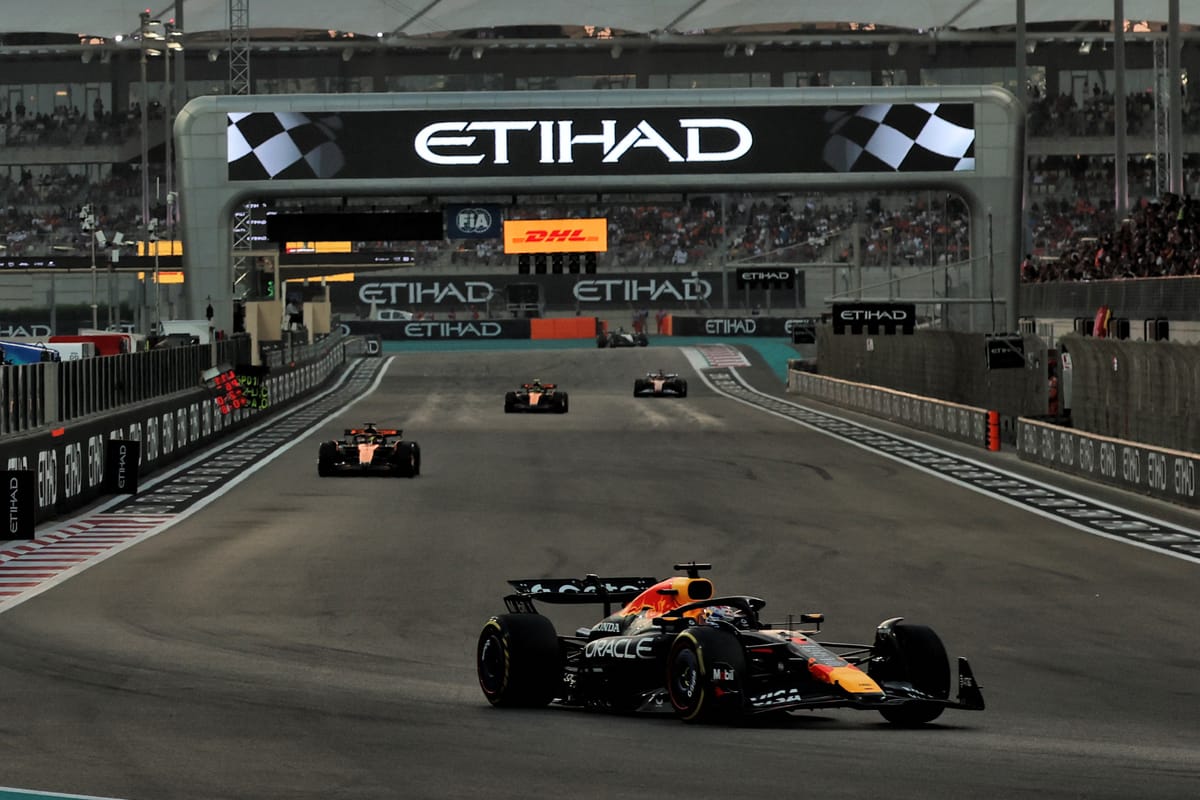
Max Verstappen refrained from employing disruptive tactics against McLaren in Formula 1's Abu Dhabi title decider, ending his fifth consecutive championship bid two points short. Contrary to pre-race expectations that he might back up traffic like Lewis Hamilton did in 2016, Verstappen maintained clean racing throughout – a choice confirmed by both his post-race comments and McLaren driver Oscar Piastri's direct inquiry in the cooldown room.
Why it matters:
This marks a significant shift from F1's historical championship-deciding controversies, demonstrating how circuit design evolution and strategic sophistication have reduced opportunities for tactical interference. Verstappen's restraint – driven by practical constraints rather than sportsmanship alone – highlights modern F1's increasing reliance on technical execution over psychological warfare in title battles.
The details:
- Track layout limitations: Verstappen explicitly cited Abu Dhabi's 2021-modified layout – featuring a simplified final sector without the old chicane – as a critical factor. "This new layout makes it even harder to back up the pack compared to 2016," he explained, noting easier overtaking negates traditional blocking tactics.
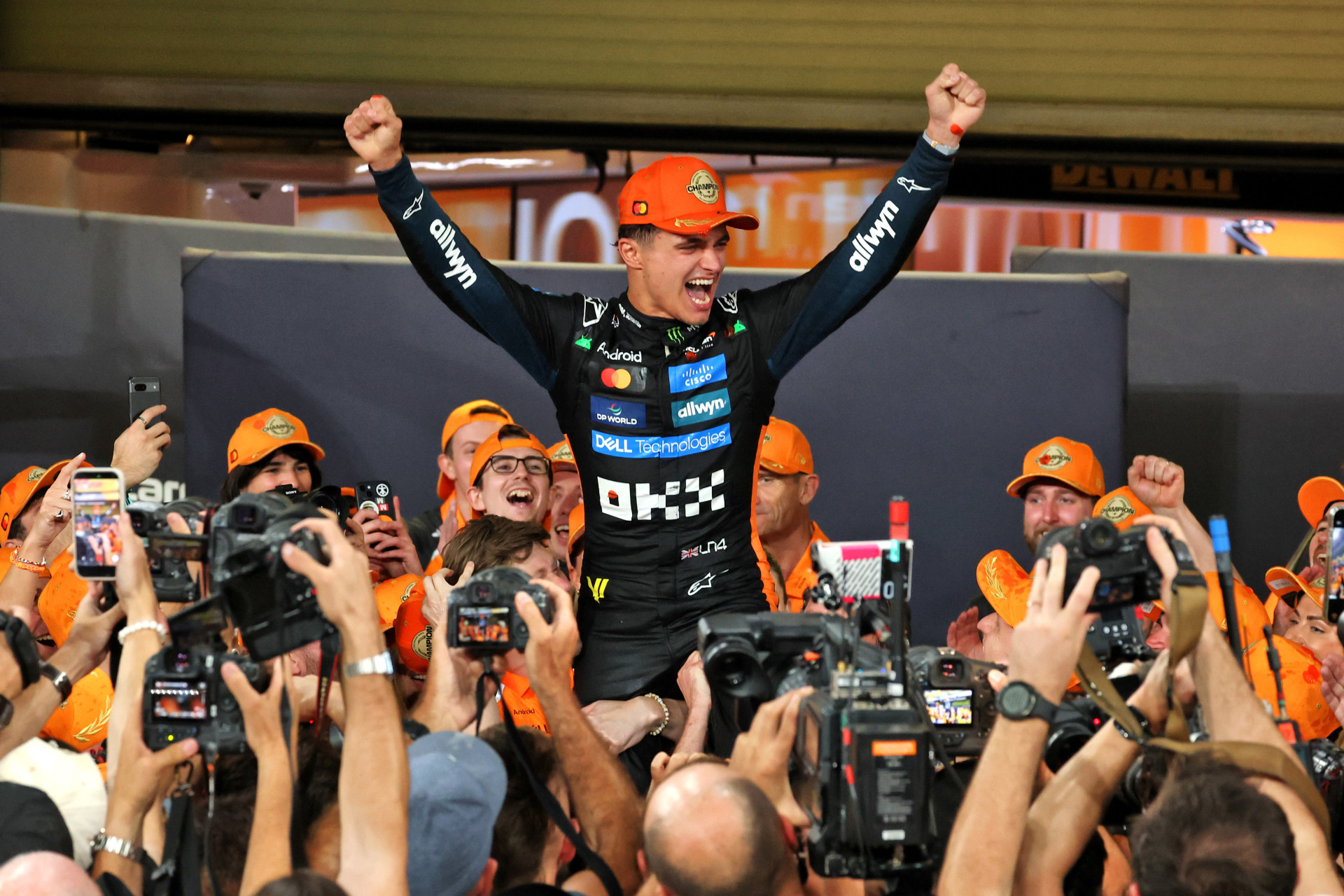
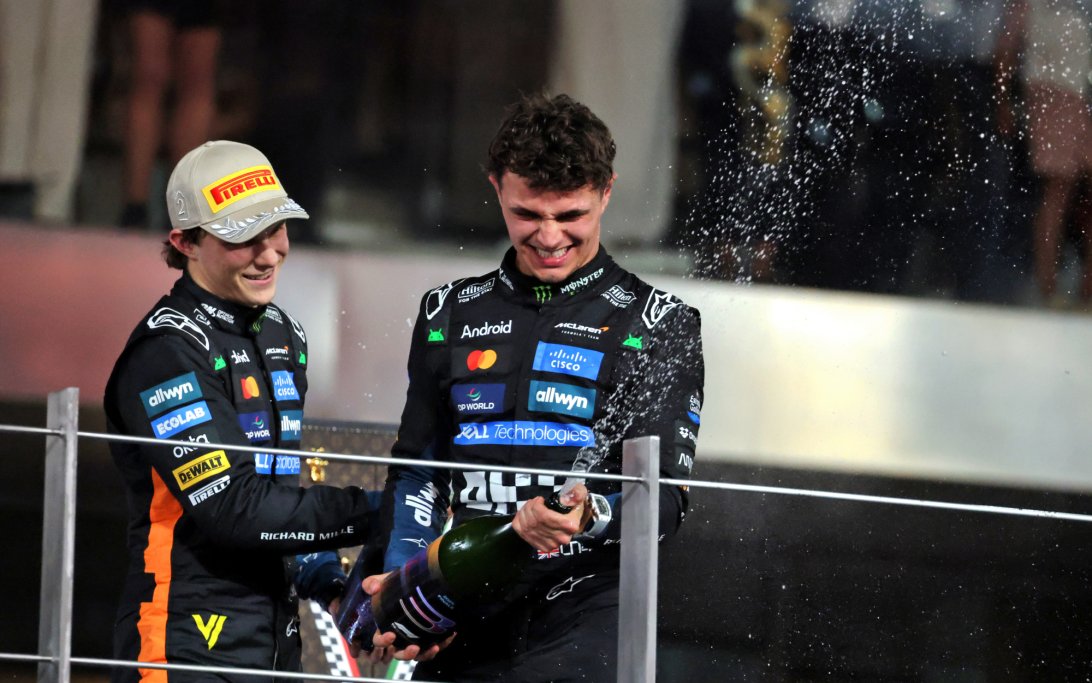
- McLaren's strategic masterstroke: The team's decision to split Oscar Piastri (hard tires) and Lando Norris (mediums) created an uncounterable dilemma. Red Bull team principal Laurent Mekies acknowledged: "With split tires, any attempt to control the race became nearly impossible. We chose to maximize our advantage and win the race."
- Tactical window closure: Though a theoretical opportunity existed during Piastri's sole pit stop, Verstappen noted the complexity: "They went for a two-stop – that made backing up tough." Mekies confirmed second-stopping Verstappen would have left him behind Piastri anyway, eliminating any strategic benefit.
- Midfield risk factor: Attempting to back up traffic risked triggering undercut chains from midfielders, potentially losing Verstappen's clean race position – a vulnerability absent in the 2016 scenario Hamilton exploited.
What's next:
This finale establishes a new precedent where circuit design and team strategy increasingly neutralize last-minute interference attempts in championship battles. McLaren's split-tire approach – praised by both Mekies and team principal Andrea Stella as "quite clever" – may become standard practice for title contenders facing similar scenarios.
The episode also reshapes Verstappen's reputation beyond the "gamesman" narrative, revealing calculated pragmatism. "Charles drove his heart out to get on that podium," Verstappen noted regarding Leclerc's title-impacting effort, suggesting respect for pure racing outcomes over manufactured drama. As F1's technical regulations continue evolving, such strategic purity may define future title fights – where winning requires out-engineering opponents rather than outmaneuvering them through disruption.
Original Article :https://www.the-race.com/formula-1/why-max-verstappen-did-not-play-games-steal-f...
