







Why Hamilton's Ferrari Move Was Destined to Fail
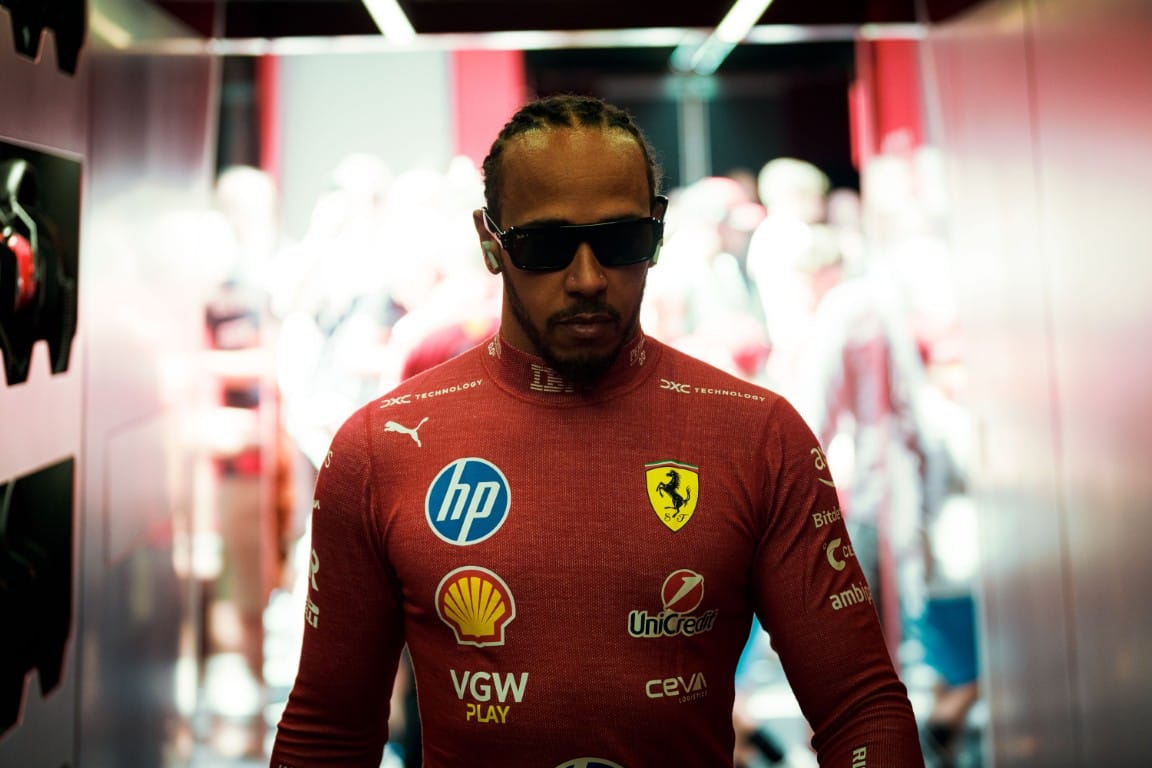
Lewis Hamilton's move to Ferrari faces profound obstacles rooted in the team's culture, a pattern that has thwarted previous superstars. Unlike Michael Schumacher, who arrived with a complete support structure and the authority to reshape the team, Hamilton, like Fernando Alonso and Sebastian Vettel before him, lacks the power to enact necessary change. His challenge is compounded by his own recent performance questions and the presence of Charles Leclerc, a formidable 'employee driver' who exposes any weakness.
Why it matters:
This isn't just about one driver's final chapter; it's a diagnosis of Ferrari's chronic inability to translate its immense resources and heritage into sustained success. The team's resistance to the kind of dominant, driver-led culture that defined its championship-winning eras means it remains trapped in a cycle of 'what if.' Until Maranello addresses this fundamental issue, it will continue to be a place where brilliant drivers go to see their potential unfulfilled.
The details:
- The Schumacher Blueprint: The only path to sustained success at Ferrari is the Schumacher model: a dominant driver backed by a powerful team principal (Ross Brawn), technical genius (Adrian Newey/Rory Byrne), and corporate autonomy. Hamilton has none of this.
- A History of Failure: Both Alonso and Vettel attempted to change Ferrari's internal culture from the cockpit but were met with resistance and saw their influence undermined, leading to their eventual departures without a title.
- Employee vs. Leader: Ferrari's only periods of long-term dominance were led by forceful, hired-gun drivers like Schumacher and Niki Lauda who could demand change. The team has never won consistently with "employee" drivers from its own academy, like Charles Leclerc, who lack that same institutional power.
- Hamilton's Complications: Hamilton's situation is uniquely difficult. His own form is under scrutiny, which weakens his credibility when pushing for change. Furthermore, he faces a much tougher teammate in Leclerc than his predecessors did with Rubens Barrichello or Felipe Massa.
- Cultural Resistance: Recent comments from Ferrari leadership, like John Elkann's suggestion that drivers should "talk less," reveal a deep-seated misunderstanding of how a great driver can energize and transform a team. They see driver input as a nuisance, not a catalyst.
The big picture:
The tragic reality for Hamilton is that his dream of a Muhammad Ali-style comeback is being thwarted not by a lack of talent, but by a corporate structure that doesn't know how to win. Ferrari's potential remains locked behind a wall of internal politics and a culture that prizes deference over the disruptive energy required for greatness. Without a fundamental shift in mentality, the team will continue to be a graveyard for ambitions, and the clock is ticking loudly on Hamilton's final shot at history.
Original Article :https://www.the-race.com/formula-1/ferrari-f1-flaws-lewis-hamilton-question-mark...
