




Why Germany's F1 Return Remains Elusive: High Costs and Tax Hurdles Block Hockenheim Comeback
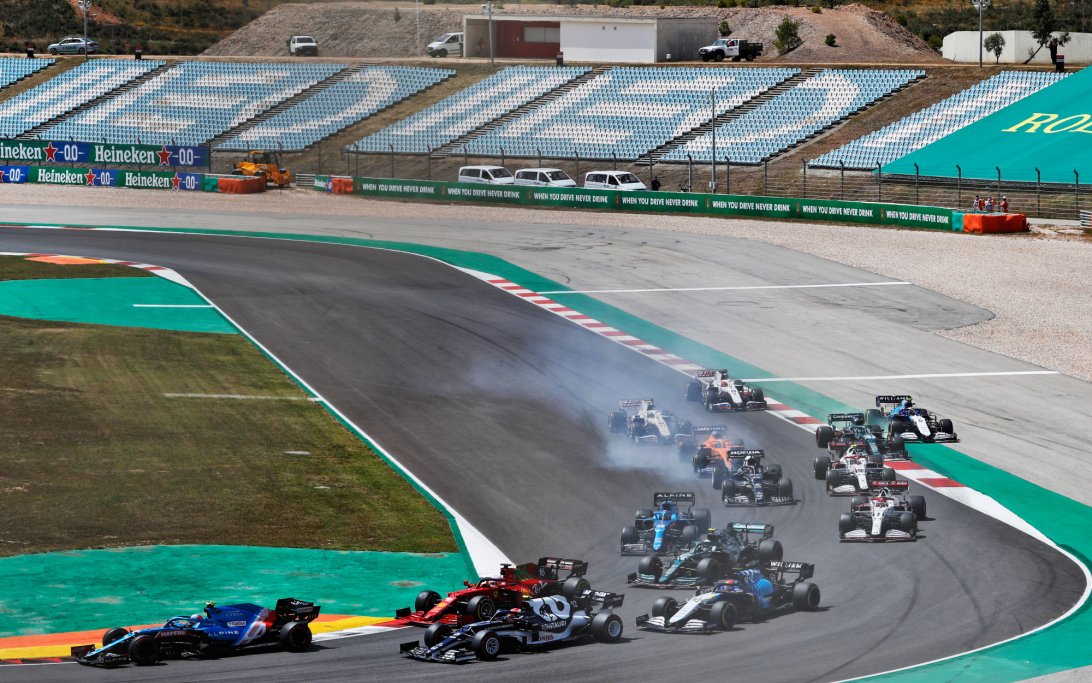
Formula 1 will return to Portugal in 2027 and 2028, but Germany will once again be absent from the calendar, continuing a drought that highlights the significant financial and bureaucratic hurdles facing a potential comeback for Hockenheim or the Nürburgring. AvD President Lutz Leif Linden explains that soaring costs and an uncompetitive tax environment make hosting a Grand Prix in Germany nearly impossible without substantial state support.
Why it matters:
Germany, a nation with a rich motorsport heritage and home to champions and powerhouse teams like Mercedes, is being priced out of hosting its own Grand Prix. This absence represents a significant disconnect between the sport's commercial boom and its ability to maintain historic European heartlands, potentially alienating a core fanbase. The situation underscores a broader trend where only destinations with heavy government backing or corporate underwriting can afford F1's premium.
The details:
- Prohibitive Costs: Linden, who oversaw the last three German Grands Prix, states that license fees and safety costs alone cannot be covered by ticket sales. He reveals the required investment is now far beyond "20 or 25 million euros."
- Limited Revenue Streams: Unlike many other venues, a German race relies almost exclusively on ticket sales for income, which is insufficient to meet F1's financial demands.
- The Tax Disadvantage: A critical barrier is Germany's source tax, which is levied on drivers' earnings for the race weekend despite them living and being taxed elsewhere. Linden calls this "in stark contrast to other host locations" where the state often provides subsidies instead.
- Need for State Aid: The clear conclusion is that a German GP is not feasible without a "multi-million euro subsidy from the state or federal region," unless a "super-mega sponsor" emerges.
The big picture:
Linden argues that state investment makes economic sense, citing the three-week operational window (setup, event, breakdown) which brings significant tourism and economic benefits to the entire region. However, he notes a major political obstacle: even if federal funds were available, they might be seen as conflicting with EU subsidy policies, though he acknowledges "other countries find ways." His sobering assessment is that in today's landscape, no major international sporting event—be it the Olympics, FIFA World Cup, or F1—can be secured without the state fully backing and cross-financing it.
What's next:
The confirmation of Portugal's extension solidifies F1's continued expansion into markets willing to meet its financial terms. For Germany, the path back to the calendar remains blocked without a fundamental shift in approach. It will require a coordinated "all-in" effort from commercial sponsors and government entities to create a viable financial model, a prospect that currently seems distant. The sport's commercial success, amplified by projects like Drive to Survive, has ironically made it inaccessible to one of its traditional homes.
Original Article :https://f1-insider.com/formel-1-darum-meidet-f1-hockenheim-und-co-73470/