



Why F1 Can't Simply Ban the Algorithms Drivers Despise
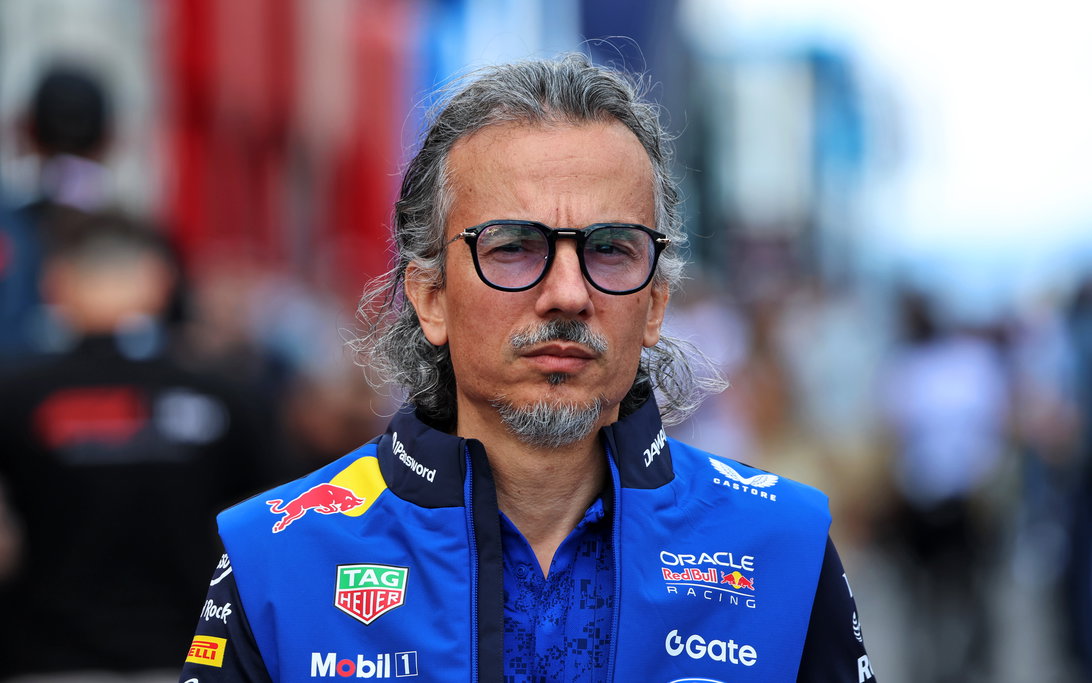
Oscar Piastri isn't the only one calling algorithm-managed energy deployment a "pretty crap way of going racing," but the FIA insists that simply banning these systems and handing drivers full control isn't the fix the paddock imagines. FIA single-seater director Nikolas Tombazis has pushed back against demands for 100% driver authority, warning that unrestricted manual control would trigger even worse battery offsets and an expensive development arms race.
Why it matters:
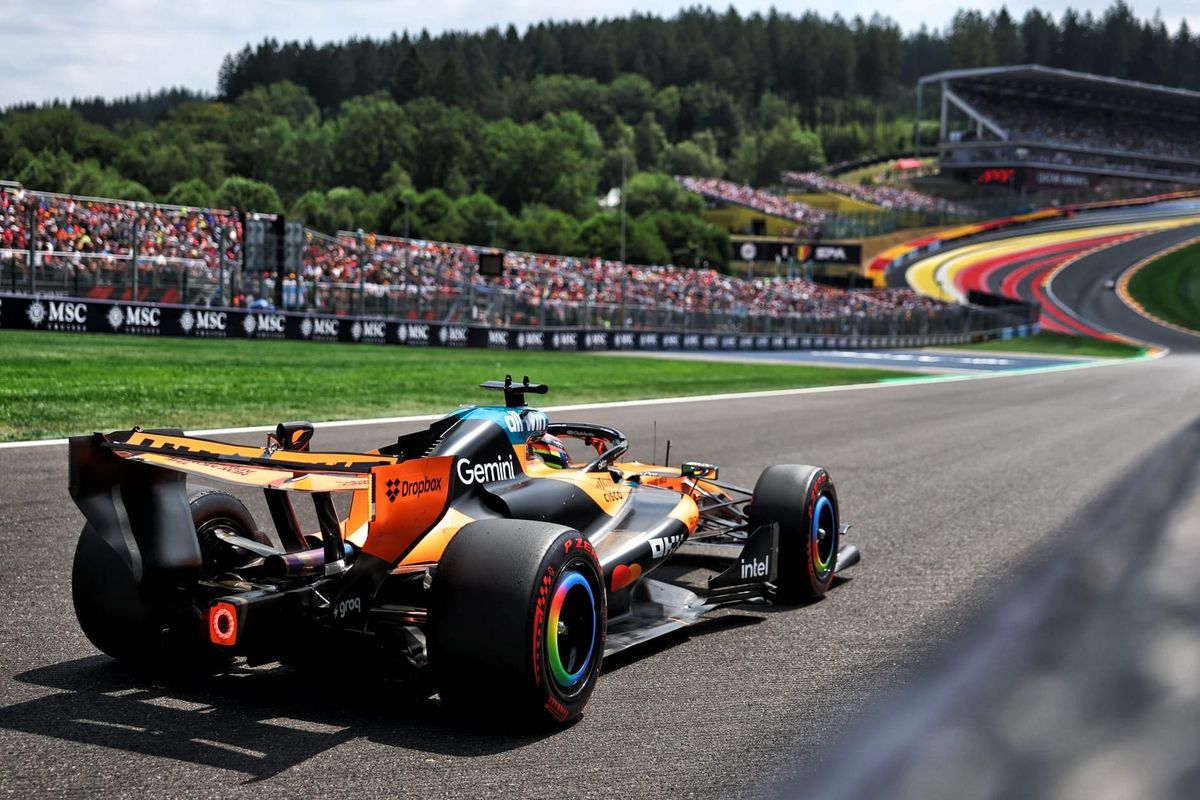
Frustration is mounting on the grid as machine-learning algorithms increasingly dictate when and where electrical energy is deployed, particularly in qualifying and races like the Belgian Grand Prix. Drivers feel they are losing agency over their own results at precisely the moment the 2026 regulations have amplified the electrical component's influence. The debate cuts to a core tension in modern Formula 1: how much direct control should a driver actually have when the power unit has become so complex?
The details:
- The corner exit problem: Tombazis argues that without algorithmic constraints, drivers would simply dump all their electrical energy on corner exits for short-lived bursts of speed. That behavior would exaggerate the performance gaps between cars rather than close them.
- Hardware reality: The FIA caps energy deployment, recovery, and state-of-charge deltas specifically to prevent teams from building oversized batteries. Remove the software guardrails, and the incentive to build heavier, bulkier power units becomes unavoidable.
- Human limitations: Tombazis doubts drivers could rationally juggle the full web of energy parameters in real-time while pushing at the absolute limit.
- Old tools, new stakes: These algorithms existed before 2026, but the increased electrical output under the current regulations has magnified their impact on race results.
What's next:
The FIA is targeting a 60/40 split between internal combustion and electrical power by 2028, shifting away from the current roughly 53/47 balance. Tombazis is confident that rebalance will simplify energy management and return more authority to the drivers, though Piastri has already accepted that the algorithms will never fully disappear. For now, manufacturers must keep refining their code within regulatory boundaries while drivers adapt to a reality where software remains firmly in the loop.
Original Article :https://www.the-race.com/formula-1/why-f1-cannot-remove-algorithms-drivers-hate/
