


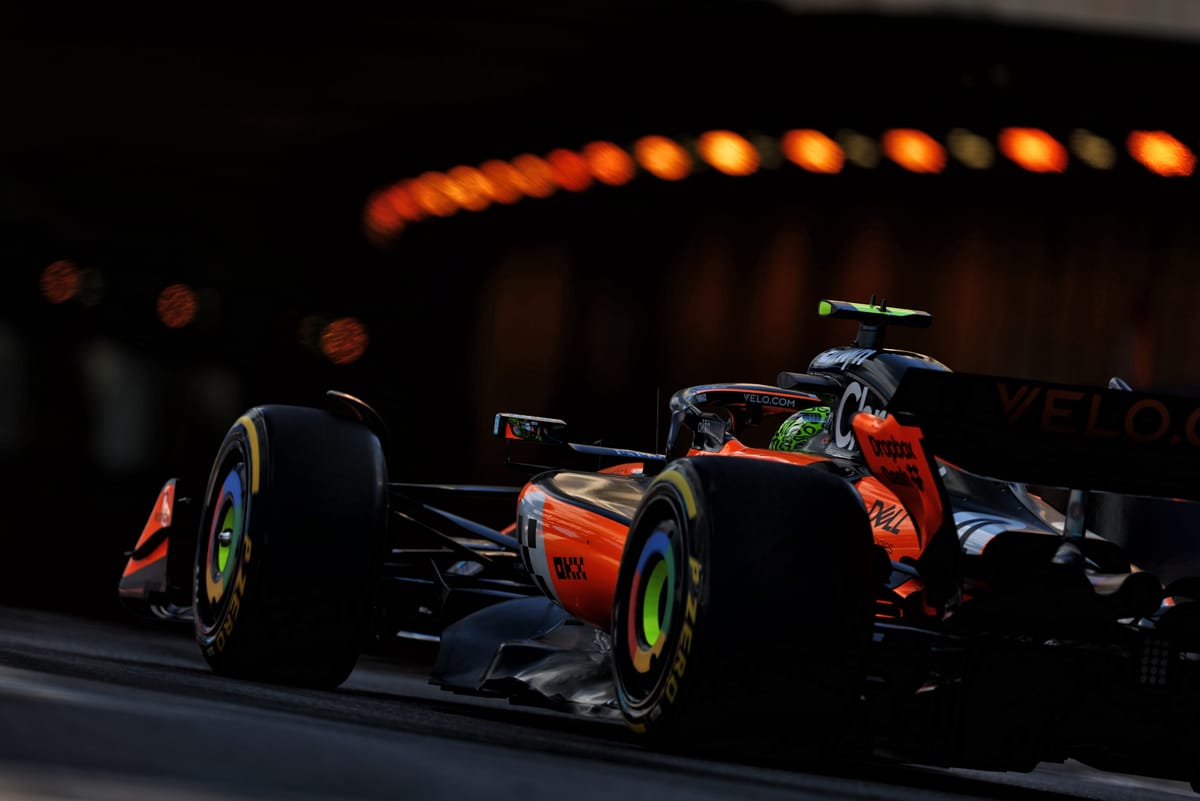
What the 2026 rule reset means for McLaren's tech revival
Summary
McLaren’s 2025 title win proved its ground‑effect mastery, but the 2026 rule reset erases that edge. Team leaders say the strength lies in their people and processes, should carry the team forward.
McLaren captured both the Drivers’ and Constructors’ championships in 2025 by mastering the ground‑effect era, a feat previously dominated by Red Bull. With the 2026 regulations resetting aerodynamics and power‑unit dynamics, the question is whether the team’s success can translate beyond a single rulebook.
Why it matters:
- The new rules curb ground‑effect influence, reducing ride‑height sensitivity and making suspension tricks less decisive.
- Power‑unit efficiency and energy‑recovery will become the primary performance drivers.
- McLaren’s technical staff, lauded by team principal Andrea Stella, could give the team an edge under any regulations.
The details:
- The 2025 MCL39 thrived on advanced suspension kinematics and ride‑control, a development spearheaded by former Red Bull chief designer Rob Marshall.
- 2026 cars will run higher with a weaker Venturi effect, shifting focus to aerodynamic efficiency and hybrid power.
- Stella and technical director Neil Houldey stress that their development process—CFD, tunnel work, and tight data correlation—are core assets, not rule‑specific tricks.
- Mercedes boss Toto Wolff echoed the view that a strong organization outperforms regardless of rule changes.
What's next:
- McLaren will apply its proven engineering culture to the power‑unit‑centric design challenge of 2026.
- Early testing will target energy‑recovery optimisation and aero‑power integration.
- Maintaining the collaborative approach could keep the team in title contention beyond the current era.
Original Article :https://www.the-race.com/formula-1/what-f1-rules-reset-means-for-mclarens-major-...


