








Verstappen Warns of Long-Term Spinal Damage from F1 Track Surface Failures
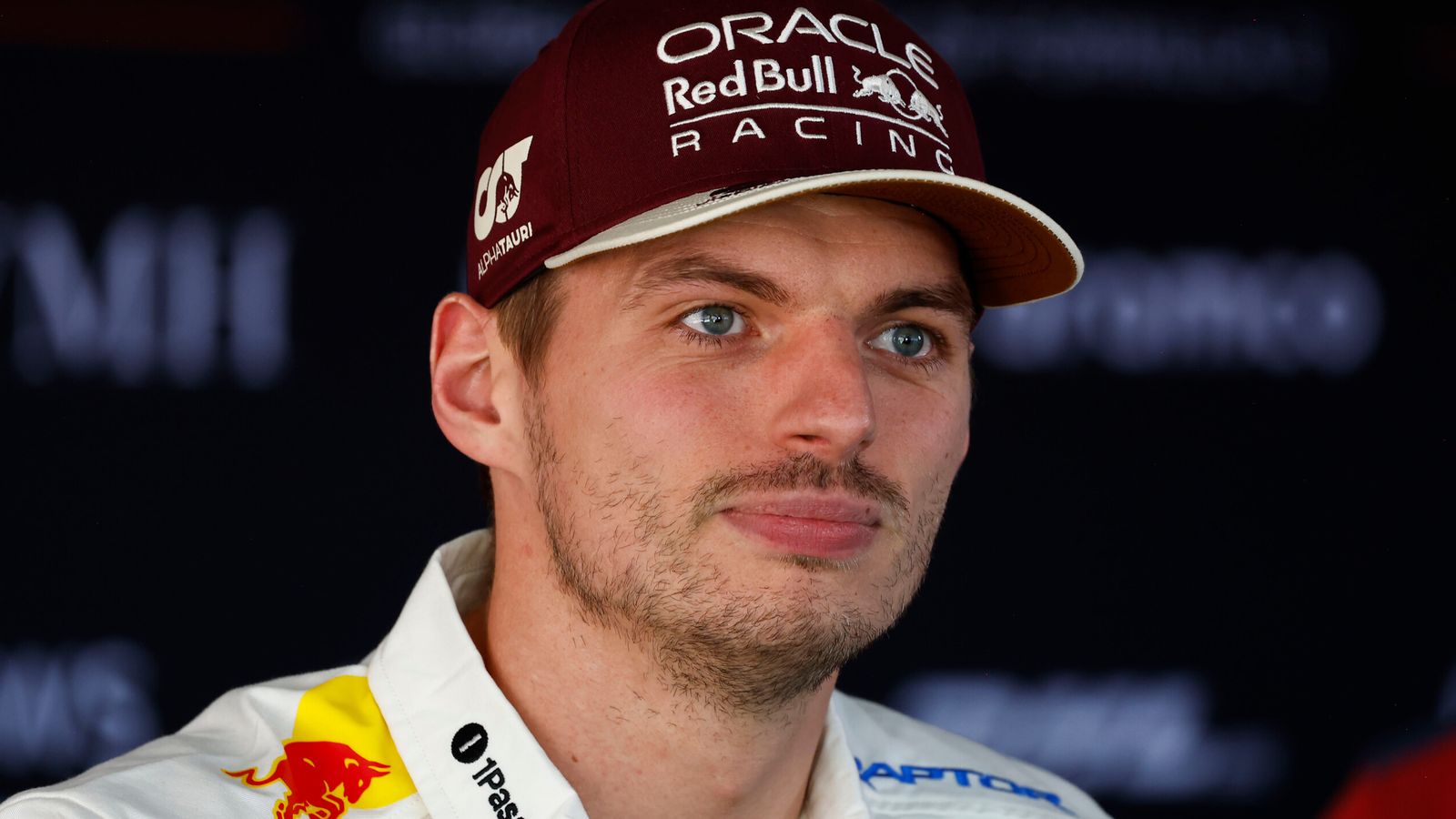
Max Verstappen is sounding the alarm on driver safety, specifically targeting the "out of control" bumps at the Circuit of the Americas (COTA). The champion warns that without systemic infrastructure changes, drivers face significant long-term spinal damage, arguing that current maintenance efforts are merely cosmetic.
Why it matters:
This is no longer a matter of driver comfort, but a serious health concern. The combination of ground-effect aerodynamics and ultra-low ride heights transforms track irregularities into violent vertical shocks. Verstappen’s admission that his own spinal scans show wear and tear highlights a systemic risk that the sport has largely overlooked in favor of lap time.
The Details:
- The COTA Problem: Verstappen argues that surface repaving is merely a "plaster" on a deeper issue. The shifting soil beneath the track requires full-scale earthworks to provide a stable foundation, rather than superficial top-layer fixes.
- Physical Toll: While lateral cornering loads typically hover around 5-6G, vertical impacts from bumps have peaked at over 9G on the spine—a load Verstappen describes as "really not fun."
- Technical Factors:
- Ride Height: Modern cars run as low as 10mm on straights, leaving zero margin for surface irregularities.
- Tire Evolution: The transition to 18-inch wheels reduced the sidewall profile, stripping away a critical layer of natural damping that previously protected the driver.
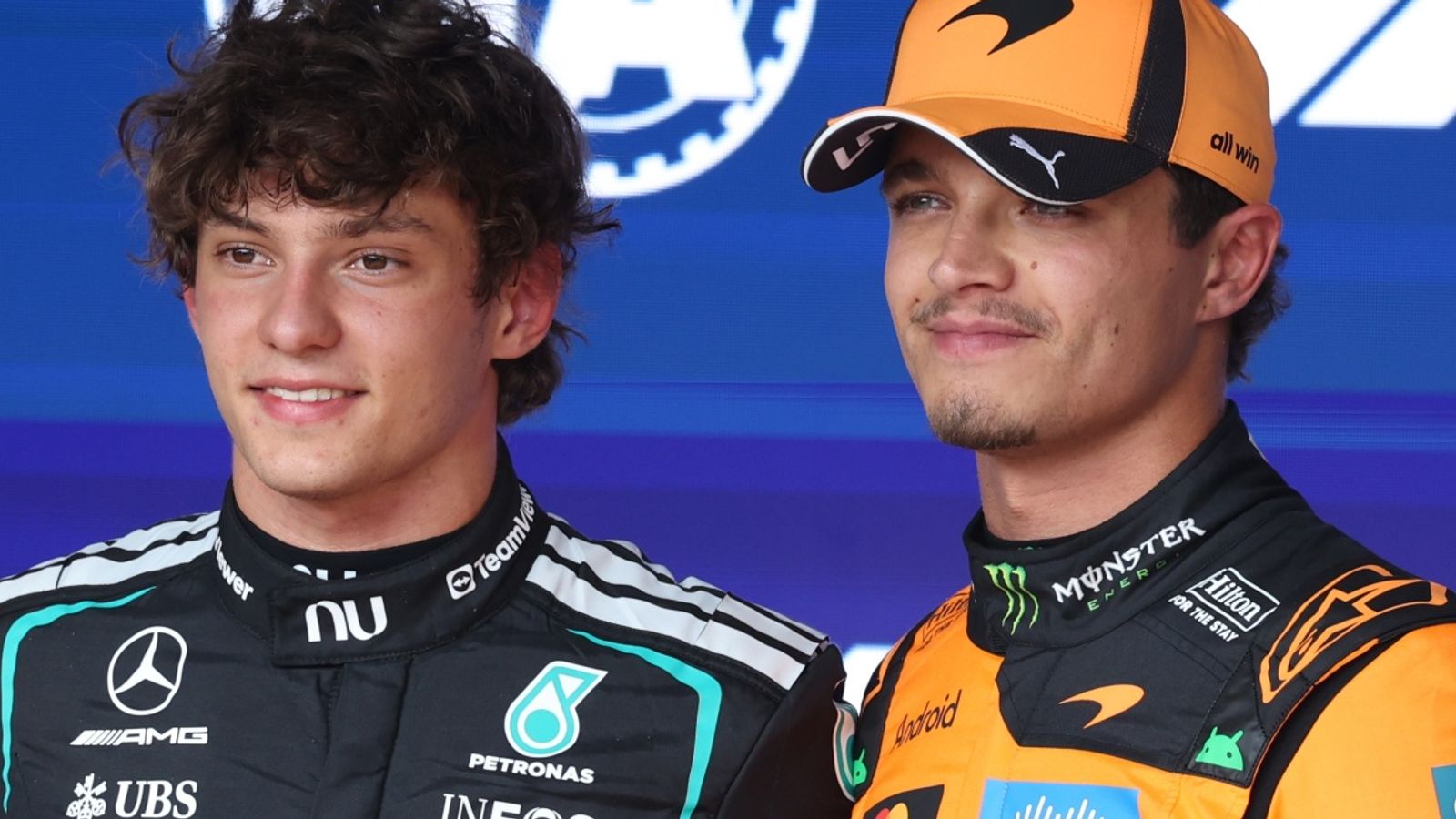
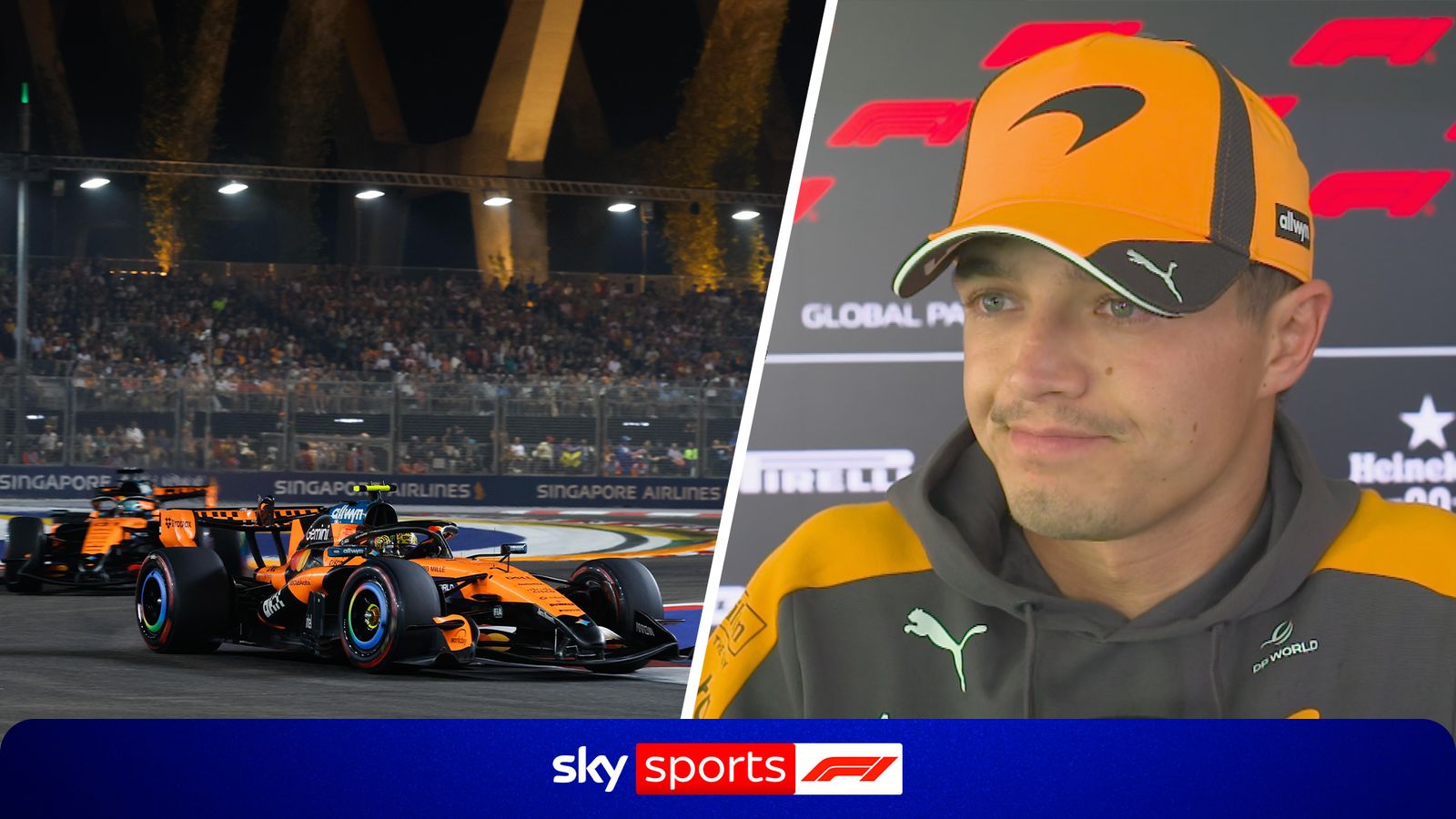
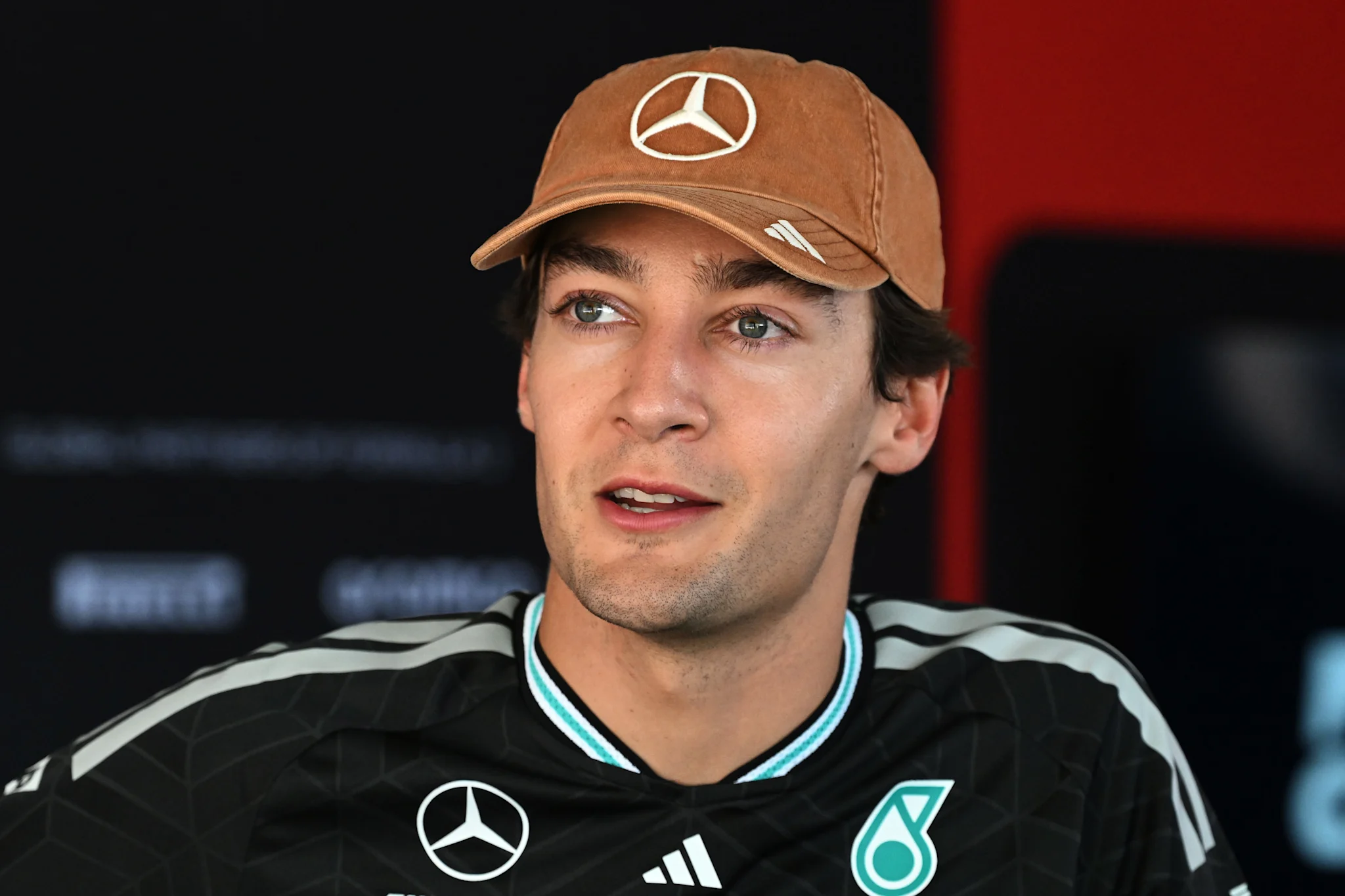
- Driver Consensus: George Russell noted deteriorating tarmac across multiple venues, while Lando Norris reported needing medication for headaches caused by frequent, violent impacts against the headrest.
The Big Picture:
As we move through the 2026 season, the physical demands on drivers have shifted from purely lateral G-forces to violent vertical oscillations. The disparity between the extreme precision required by modern chassis and the reality of aging track infrastructure is creating a dangerous gap in driver safety.
What's next:
Pressure is mounting on race promoters and the FIA to move beyond cosmetic repairs. If COTA and similar circuits do not invest in foundational reinforcement, the sport may face a driver health crisis, potentially forcing mandatory ride-height increases or much stricter track homologation standards to protect the grid.
Original Article :https://www.the-race.com/formula-1/verstappens-spinal-damage-fears-from-out-of-c...