
Verstappen: Too Late to Change 2026 F1 Rules Despite Sainz's Call for Flexibility
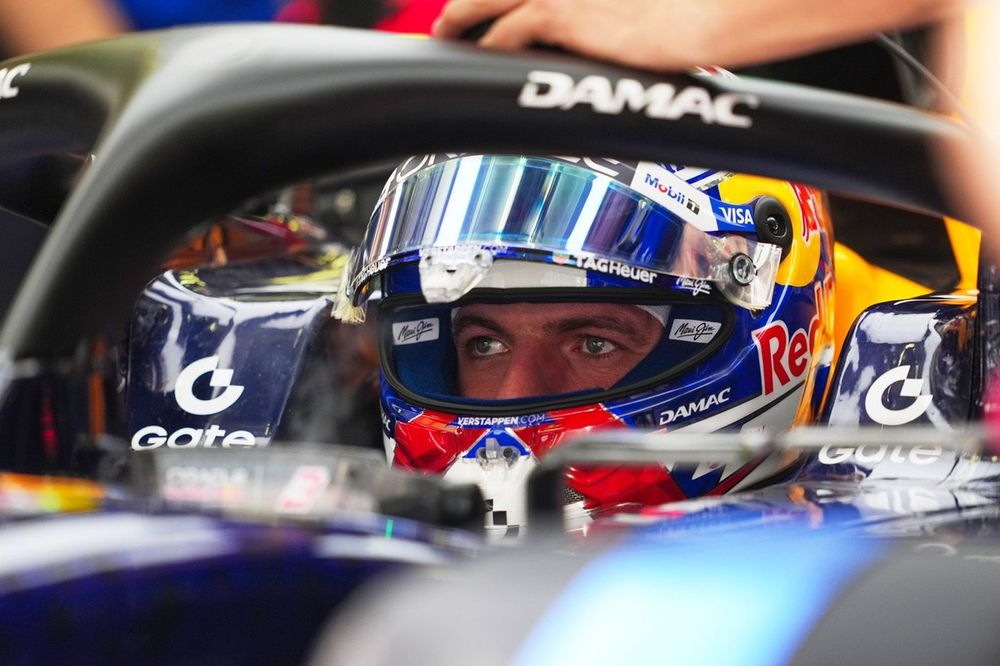
Max Verstappen believes it is too late to make significant adjustments to the 2026 Formula 1 technical regulations, dismissing Carlos Sainz's recent call for the FIA to remain open-minded to changes after the rules debut. The Red Bull driver argues that the massive financial investment and years of development locked into the new era make substantive revisions impractical, even if early races reveal fundamental flaws.
Why it matters:
The 2026 regulations represent the most radical overhaul in F1's modern history, with a near 50/50 power split between the internal combustion engine and electrical energy. How these rules perform will define the sport's competitive and entertainment landscape for the remainder of the decade. A stark divide among drivers—between critics like Verstappen who fear "anti-racing" outcomes and optimists like Lando Norris—highlights the uncertainty and high stakes surrounding this transition.
The details:
- The Core Debate: The 2026 power units mandate much greater electrical energy deployment, shifting race strategy heavily toward battery management. This could force drivers into unfamiliar techniques like lifting, coasting, or even downshifting on straights to harvest energy, a prospect Verstappen has heavily criticized.
- Divergent Driver Views: The grid is split. Verstappen has labeled the concept "Formula E on steroids" and overly complicated for fans. In contrast, Sainz advocates for a wait-and-see approach, urging the FIA to evaluate real-world data from the first few races of 2026 and be prepared to act if major issues arise.
- Verstappen's Stance: The reigning champion contends the time for feedback has passed. "We're a bit late with that," he stated, noting the regulations are set until at least 2030. He is skeptical that proposed tweaks, like increasing 'super clipping' harvest rates, will solve the inherent challenges posed by varying circuit layouts.
- The Financial Reality: Underpinning Verstappen's argument is the enormous capital already committed by manufacturers like Audi, Ford, and Honda to develop these new power units. This investment creates a powerful inertia against major late changes.
What's next:
The focus now shifts to the track. The 2026 cars will begin testing in earnest next year, providing the first true data on their performance and raceability.
- Sainz's suggested evaluation window—the first two to three races of 2026—will be critical. If chaos or perceived poor racing ensues, pressure will mount on the FIA for emergency adjustments, regardless of the cost or complexity.
- However, Verstappen's perspective suggests the sport may be locked into its chosen path. The coming months will see teams finalize their designs, making the window for meaningful change increasingly narrow and setting the stage for a pivotal and potentially controversial new era.
Original Article :https://www.motorsport.com/f1/news/max-verstappen-too-late-to-change-complicated...