


Verstappen's Warnings Gain Traction as F1's New Rules Face Safety Scrutiny
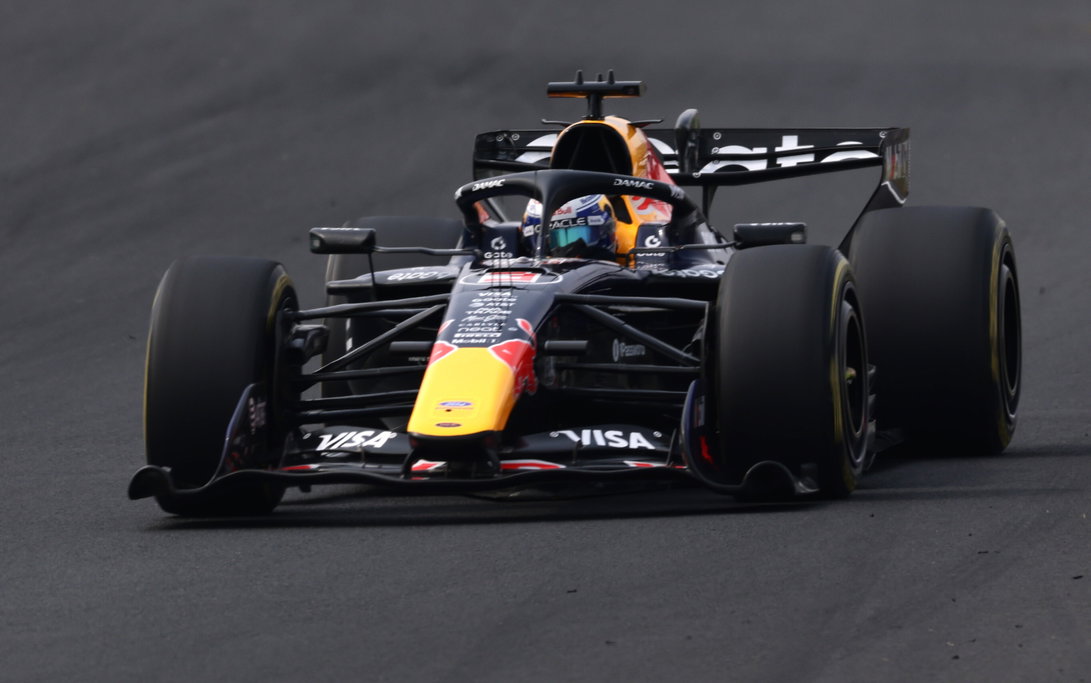
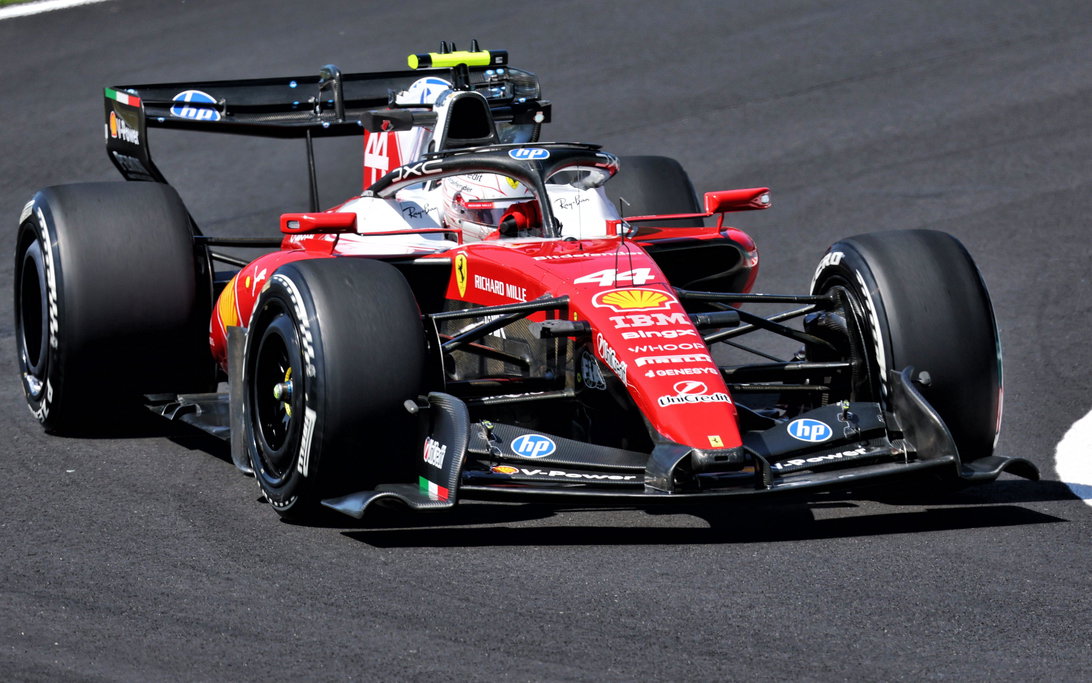
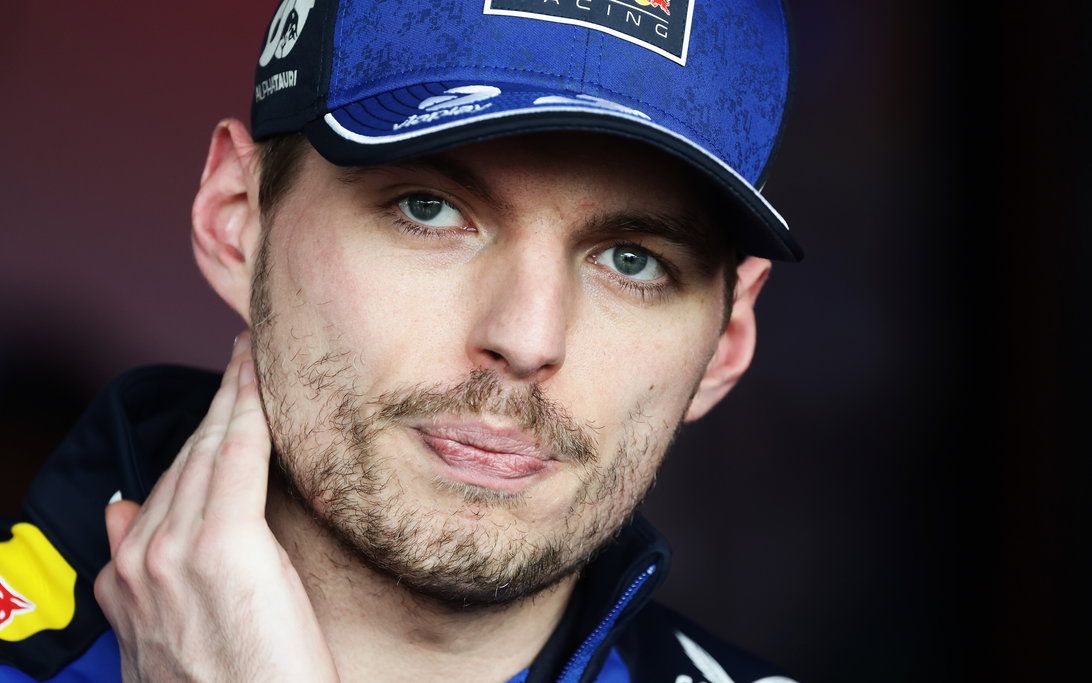
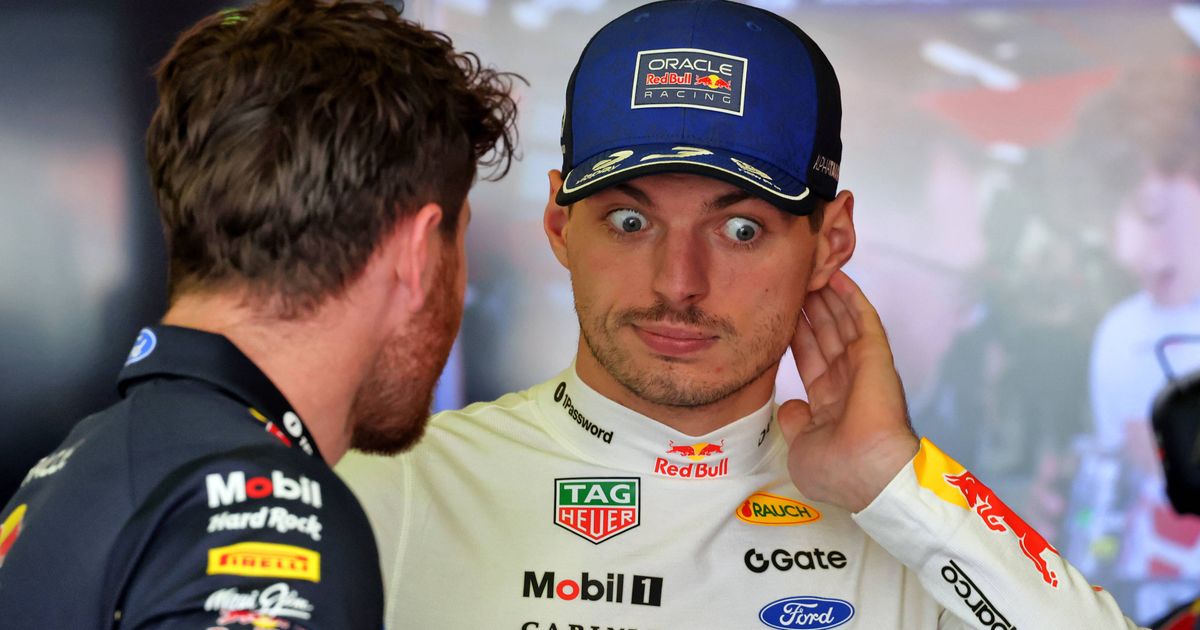
Max Verstappen's longstanding criticism of Formula 1's current technical regulations is gaining significant support from fellow drivers, following Oliver Bearman's heavy crash at the Japanese Grand Prix. The incident has intensified concerns that the sport's new power unit rules, designed to attract manufacturers, are creating dangerous speed differentials on track. Drivers argue the fundamental nature of racing has changed, prioritizing energy management over pure driving skill and introducing unprecedented risks.
Why it matters:
The debate strikes at the core of Formula 1's identity and the safety of its participants. While the 2026 power unit regulations successfully attracted new manufacturers like Audi and retained Honda, they may have inadvertently transformed the racing discipline itself. The growing driver consensus suggests the current formula could be compromising competitive integrity and driver safety for commercial and technical objectives, raising urgent questions for the FIA and F1's rulemakers.
The details:
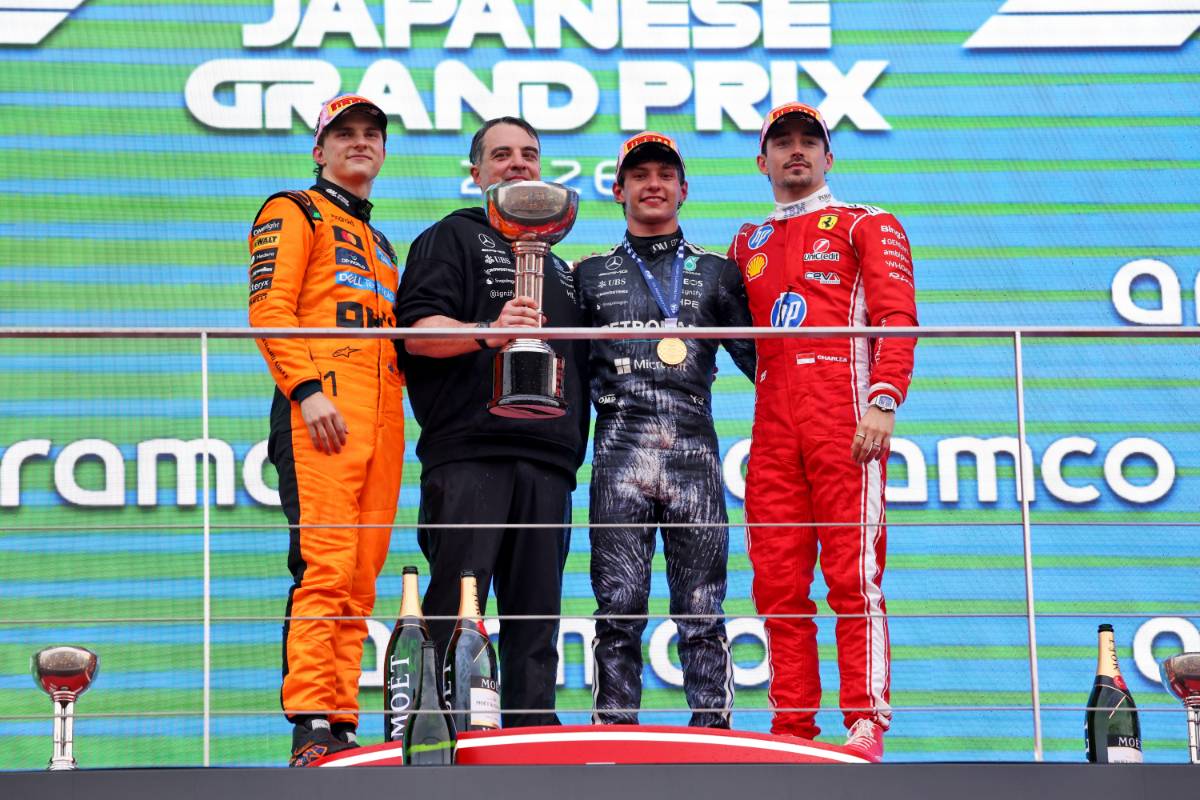
- The catalyst for the renewed outcry was Oliver Bearman's crash at Suzuka, which drivers cited as a clear example of the risks posed by massive speed differences caused by battery state-of-charge.
- Verstappen has been a consistent critic since 2023, but has recently been backed publicly by Lando Norris and Oscar Piastri, with more drivers joining the chorus in Japan.
- The core issue is the energy deployment and regeneration system. Overtakes are increasingly facilitated by temporary power advantages from a full battery, rather than traditional car-to-car battles.
- This creates a scenario where a driver with a depleted battery can be a moving chicane on a straight, with rivals approaching at drastically higher speeds—a situation Bearman's crash exemplified.
- Drivers highlight a disconnect in driver development: from karting through F2, racing is based on internal combustion engine performance, but F1 suddenly introduces a complex layer of energy management that alters defensive and attacking tactics fundamentally.
What's next:
Despite the mounting pressure from drivers, immediate change is unlikely. The current power unit regulations are contractually locked in to appease the manufacturers who committed to the sport based on these rules. As Piastri noted, the engines won't be adjusted overnight. The path forward likely involves temporary "band-aid" solutions while the sport grapples with the long-term challenge of balancing manufacturer appeal, sustainability goals, and the pure, safe sporting competition drivers are calling for. The unified driver voice, however, adds considerable weight to future discussions for the 2030 regulatory cycle.
Original Article :https://www.gpblog.com/en/column/verstappen-proven-right-f1-is-broken-and-puttin...