


/GettyImages-2298178390.webp)



Verstappen Prioritizes Long-Run Data Over Raw Pace in Sepang FP2
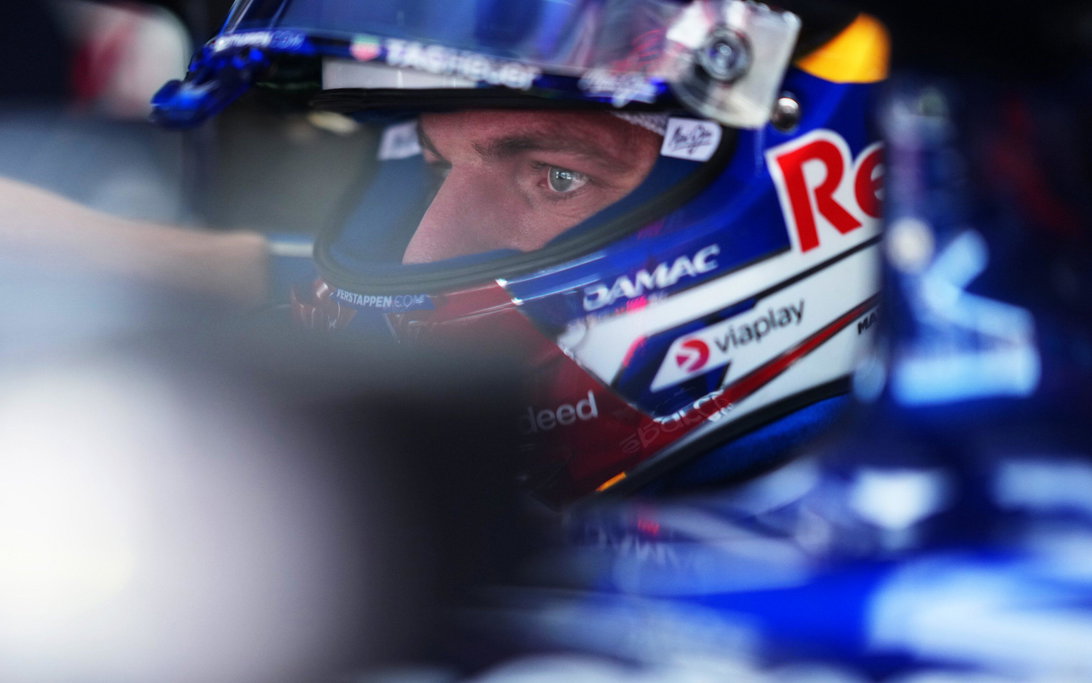
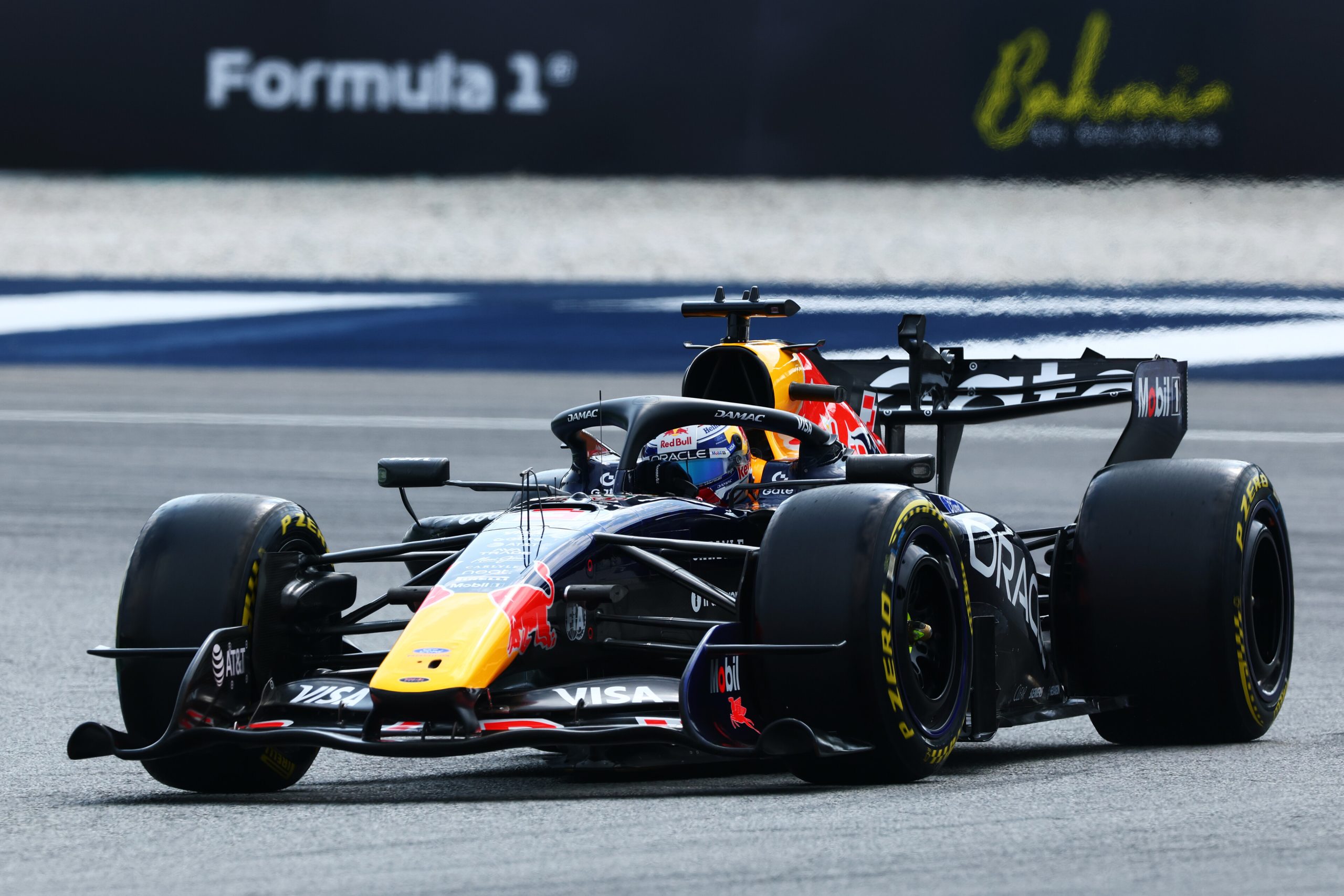
Max Verstappen started the Malaysian Grand Prix weekend strongly by topping FP1, but a strategic shift in FP2 saw the four-time world champion finish fourth on the timesheets. While the gap to the top might suggest a loss of momentum, the move was a calculated effort to gather critical long-run data on the medium compound.
Why it matters:
Sepang's sun-baked asphalt and extreme humidity have led the FIA to declare a "heat hazard," making tyre degradation the primary variable for the race. Red Bull is prioritizing a deep understanding of how their rubber holds up under these brutal conditions over chasing a superficial headline in a practice session.
The details:
- Strategic Divergence: While Charles Leclerc and Red Bull's Isack Hadjar ran qualifying simulations on soft tyres, Verstappen spent the entirety of FP2 on mediums to prepare for potential rain that never materialized.
- The Numbers: Verstappen clocked a 1:37.785, trailing Leclerc (1:37.528) and Hadjar (1:37.627). Despite the 0.257s gap, Verstappen's time was set on a harder compound, suggesting his actual pace remains highly competitive.
- Performance Benchmarks: Verstappen had been quicker than his teammate throughout the day and topped FP1 by nearly four-tenths over George Russell, indicating the RB's inherent speed is still there.
What's next:
Verstappen remains cautious about labeling these early sessions as definitive "progress," citing the volatility of the track temperature and differing team programs. The focus now shifts to synthesizing this degradation data to optimize the car's balance for qualifying and the grueling race distance.
Original Article :https://www.motorsport.com/f1/news/max-verstappen-explains-fp2-decision-as-he-se...