


Verstappen increasingly isolated in criticism of current F1 direction
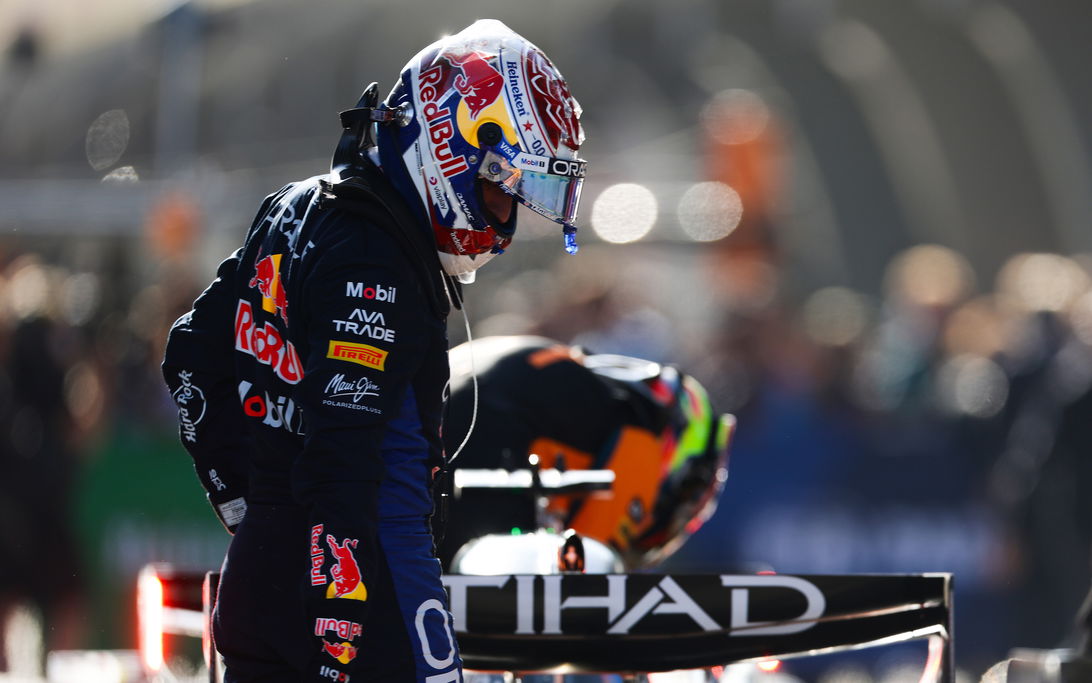
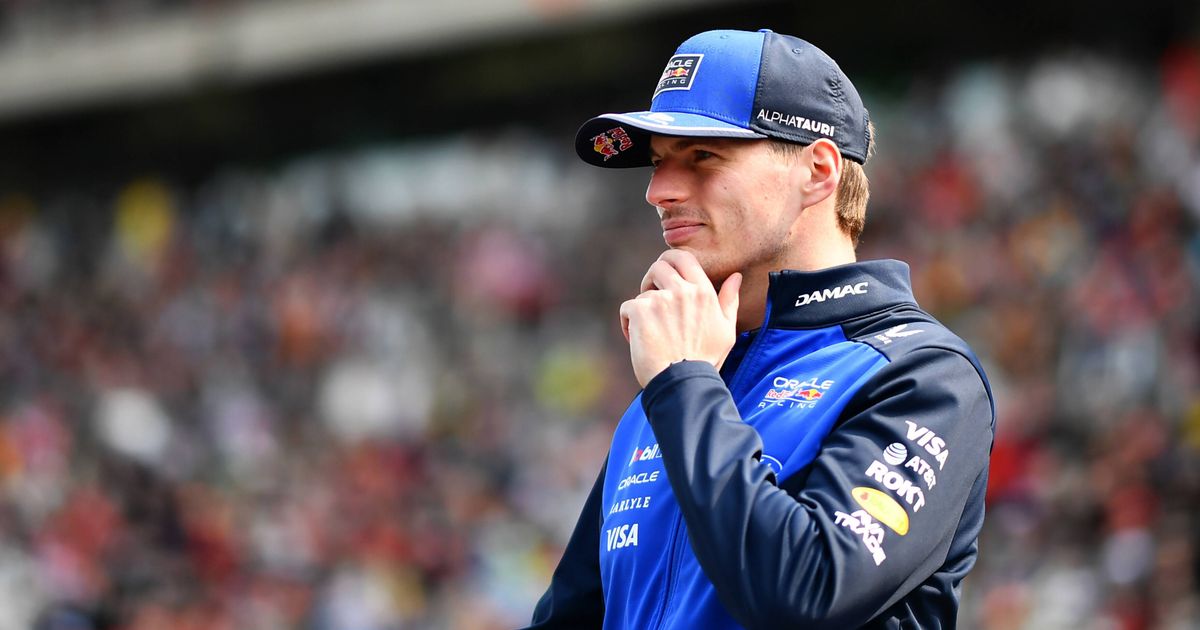
Max Verstappen is becoming a vocal outlier in the Formula 1 paddock, maintaining his fierce criticism of the sport's current technical regulations and racing product while most other stakeholders have shifted to a more positive public stance. The reigning world champion argues the fundamental design of the cars is flawed and threatens the sport's future, a position that now finds him largely standing alone against an official narrative of fan satisfaction and exciting races.
Why it matters:
Verstappen's dissent highlights a deep philosophical split about what constitutes compelling racing in Formula 1. As the sport's most dominant and visible star, his persistent public dissatisfaction—even while winning—presents a unique credibility challenge for F1's leadership. If the sport's direction alienates its top competitor, it risks losing not just a driver but a significant portion of the fanbase that identifies with his purist racing ethos.
The details:
- A Shift in the Paddock: Early in the season, Verstappen had support from several drivers who criticized the 2026 cars, particularly in qualifying where mistakes could paradoxically be rewarded by saving energy. Following the Chinese Grand Prix, the public tone from most teams and drivers has become notably more positive.
- The "Desert Shouter": Verstappen is now described in the paddock as a lone voice shouting in the desert, refusing to conform to a more upbeat messaging strategy believed to be encouraged for the good of the sport's commercial appeal.
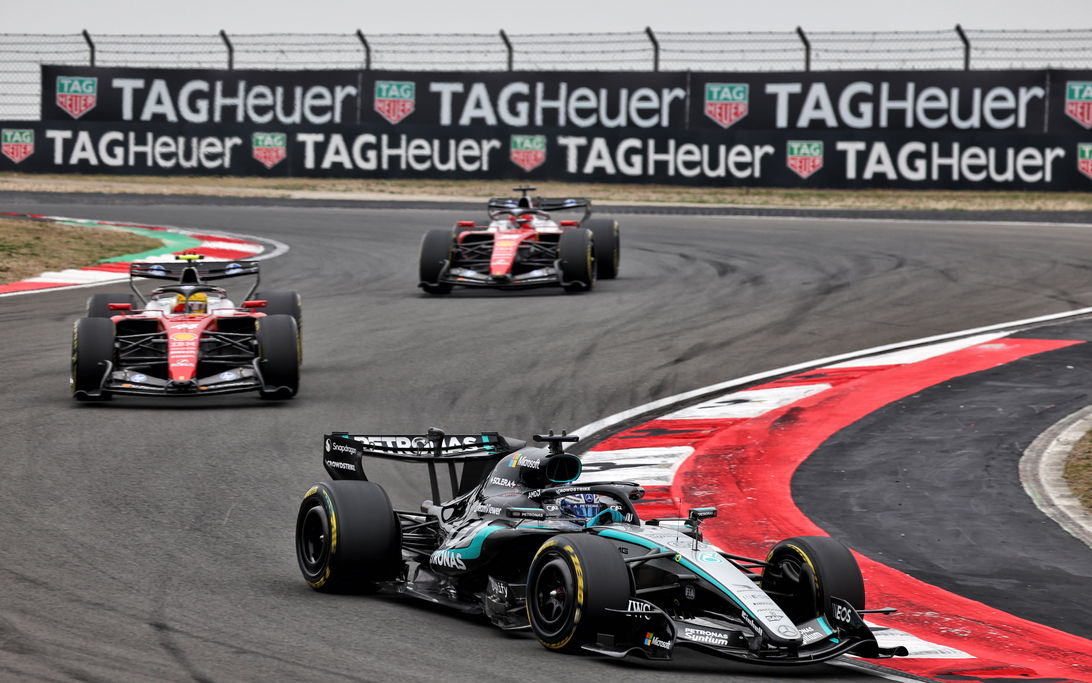
- Leadership Pushback: Key figures have directly countered Verstappen's claims. Mercedes Team Principal Toto Wolff suggested Verstappen's criticism stemmed from driving a "terrible" Red Bull car, not the regulations. Red Bull's own Sporting Director, Jonathan Wheatley, pointed to the Chinese GP as a fun race with plenty of overtakes.
- The Data Defense: F1 CEO Stefano Domenicali aligns with Wolff, stating that all available data shows fans are "crazy about" the new rules and the racing product, using this as the primary counter-argument to driver criticism.
Between the lines:
The central conflict is less about overtaking statistics and more about the definition of racing. Verstappen and his supporters lament a shift from "flat-out, gutsy racing" to a managed, energy-conservation formula. The leadership's focus on aggregate fan data and overtaking numbers suggests a prioritization of spectacle and accessibility for a broader audience, potentially at the expense of the raw sporting challenge valued by drivers. The unknown nature of the cited fan data also leaves room for debate, as online sentiment reveals a substantial community that agrees with Verstappen's "fundamentally broken" assessment.
What's next:
The sport is at a crossroads between entertainment and pure sport. The coming months will test whether the current direction can satisfy its core competition-driven audience while growing its global fanbase.
- Verstappen's long-term future in F1 could be influenced by this philosophical direction. He has hinted that a continued focus on management over outright racing could diminish his enjoyment, regardless of his car's competitiveness.
- The debate puts pressure on the FIA and F1 to either validate their data-driven optimism with undeniable on-track product improvements or to consider if Verstappen's warnings about the sport's soul warrant regulatory tweaks.
Original Article :https://www.gpblog.com/en/features/verstappen-left-in-the-lurch-wolffs-sympathy-...
