



Verstappen Crashes in First 2026 Qualifying, Will Start Australian GP from the Back
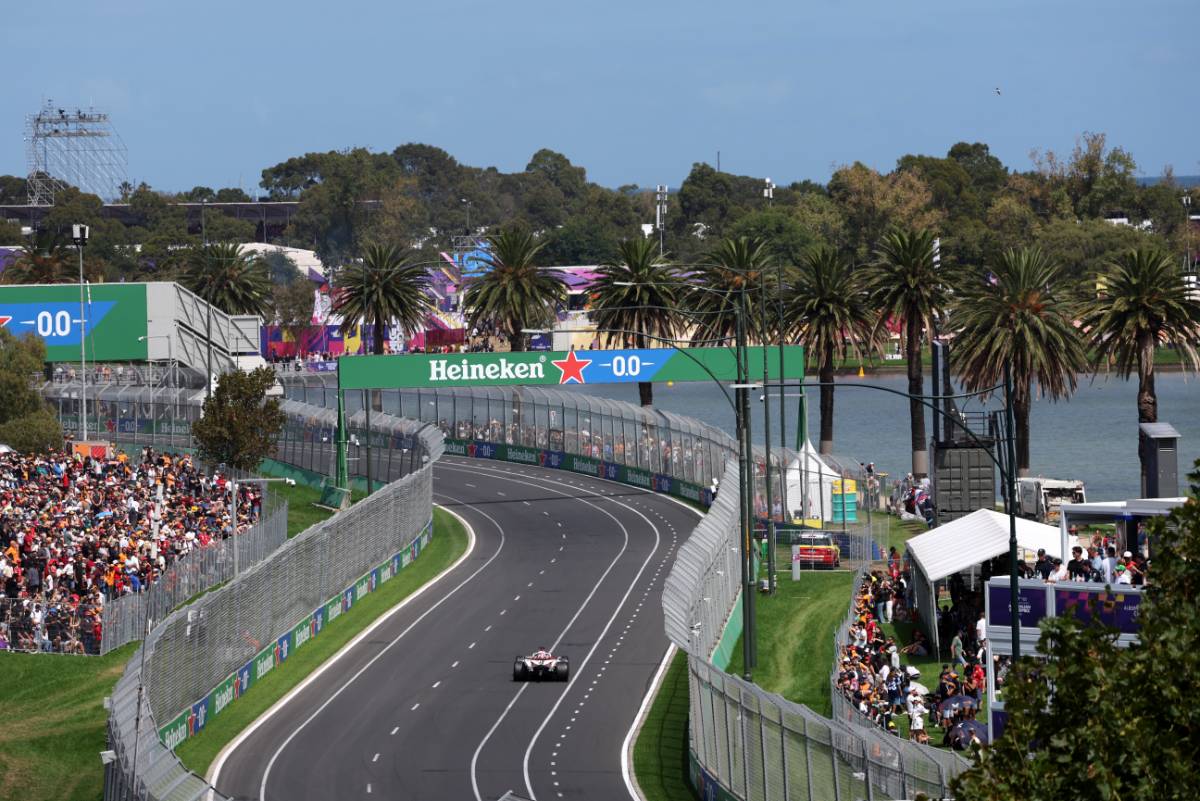
Max Verstappen will start the first race of Formula 1's new 2026 rules era from the back of the grid after a dramatic crash in Australian Grand Prix qualifying caused an early red flag. The Red Bull driver spun violently on his first flying lap in Q1, hitting the tire barriers and ending his session prematurely, raising immediate questions about the interaction between the new-generation cars and aggressive energy recovery systems.
Why it matters:
This incident is a stark, early reminder of the teething problems and extreme performance limits teams and drivers will face with the radically new 2026 technical regulations. For Verstappen and Red Bull, a title contender starting last in the season opener represents a massive setback and an immediate test of their damage limitation capabilities. The crash also highlights a critical area of development—managing energy harvesting under braking—that could define reliability and drivability in the new era.
The details:
- The crash occurred with just over seven minutes remaining in the first qualifying segment (Q1) at Albert Park.
- Verstappen’s car snapped into a sudden 180-degree spin on the approach to Turn 1, indicating a rear axle lock-up while braking and downshifting.
- The violent nature of the spin, while still early in the braking phase, strongly suggests it was triggered by an overly aggressive engine braking effect as the car harvested energy.
- This phenomenon, when mismanaged, can act like a handbrake being pulled, destabilizing the car instantly.
- The Red Bull slid across the gravel and completed nearly a full 360-degree rotation before impacting the tire barrier with its front-right corner.
- Verstappen walked away unscathed but may have felt discomfort in his wrists from holding the steering wheel through the impact.
- The session was halted for eight minutes to recover the car and clear the debris.
What's next:
The focus immediately shifts to race day and Verstappen's recovery drive through the field from the very back. This crash will force Red Bull to conduct a thorough analysis of their energy recovery system mappings to prevent a repeat. For the sport, it serves as a high-profile case study of the risks and challenges inherent in the 2026 formula, putting other teams on notice to refine their systems before similar incidents occur. The Australian GP will now feature a major subplot: how far the reigning champion can climb in the debut race of the new regulatory cycle.
Original Article :https://www.the-race.com/formula-1/max-verstappen-crash-australian-gp-f1-2026-qu...