


Verstappen and rivals face a long wait for hybrid rule tweaks
Summary
The 2024 hybrid rule split has turned early races into a battery‑conservation battle. Verstappen calls it “Formula E on steroids,” while Mercedes and Ferrari thrive. The FIA will review after Japan, but any change needs broad support, delaying tweaks until at least May’s Miami GP.
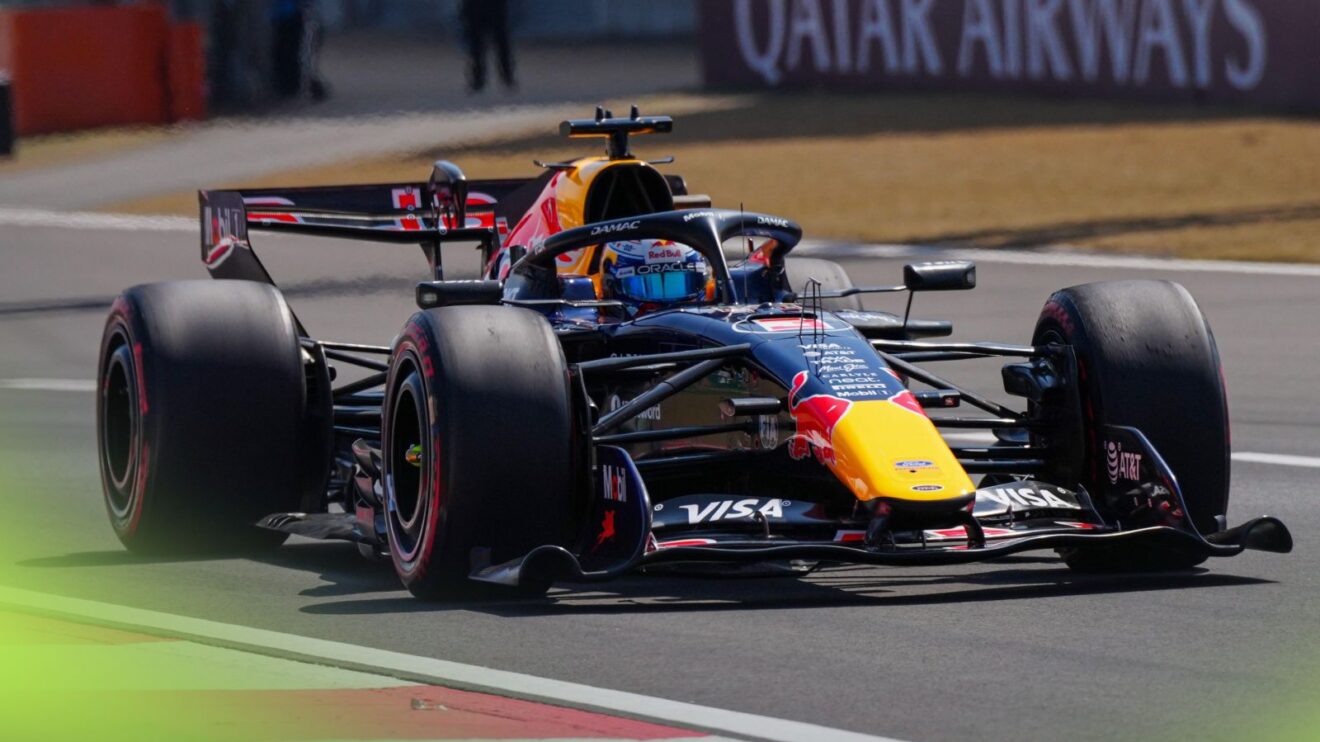
The 2024 power‑unit rule swap – a 50/50 split between internal‑combustion and electric energy – has turned the opening races into a battery‑management exercise. Drivers, led by Max Verstappen, complain the cars feel more like “Formula E on steroids” than true Formula 1, while Mercedes and Ferrari are happy with the current racing dynamics.
Why it matters:
- Battery drain on long straights is cutting top‑speed, forcing drivers to lift and coast rather than attack on pure power.
- Verstappen argues the spectacle has devolved into “dead‑battery” overtakes, threatening F1’s identity as the sport’s ultimate speed showcase.
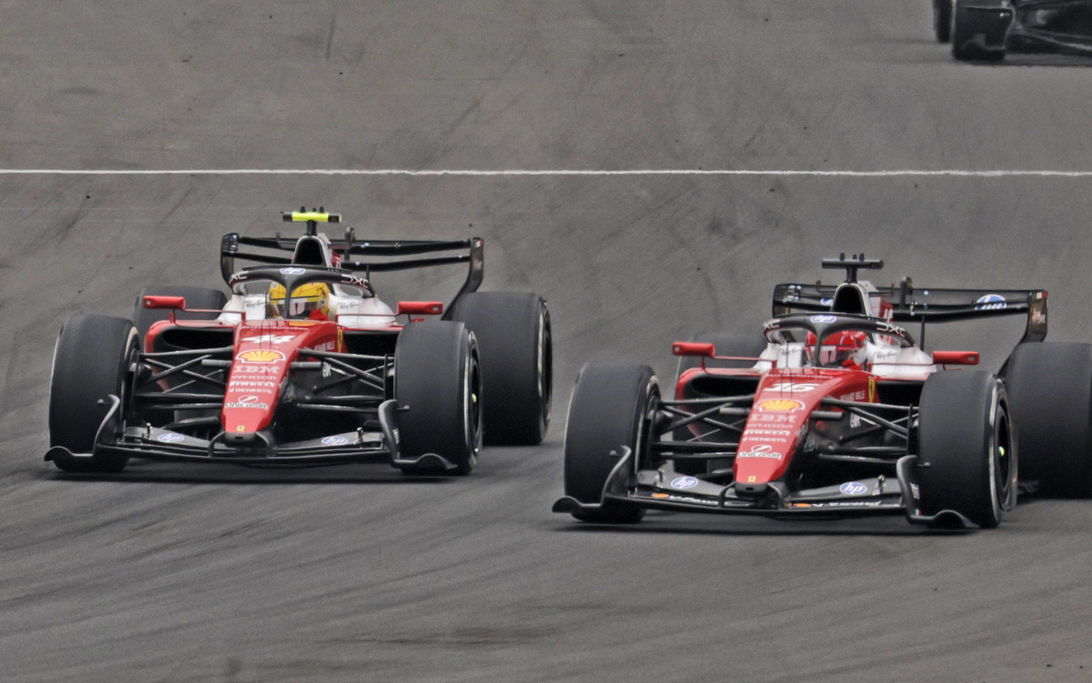
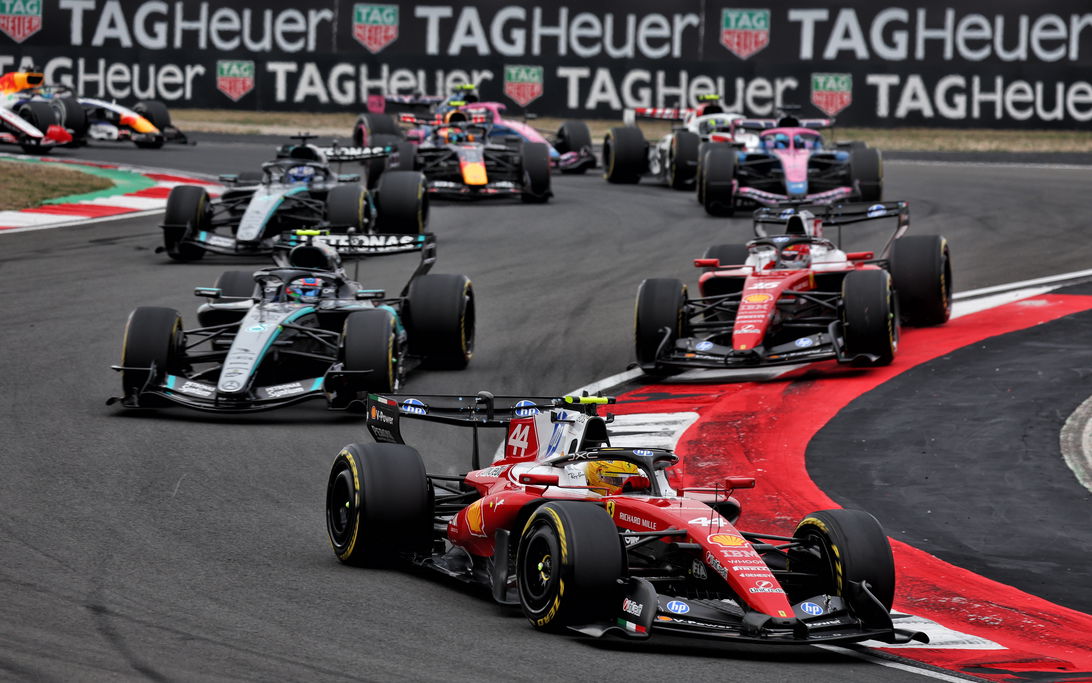
- Mercedes and Ferrari, sitting comfortably ahead, see the hybrid balance as an advantage, widening the gap between front‑runners and the rest of the grid.
The details:
- The new hybrid formula delivers roughly equal energy from the turbo‑charged V6 and the MGU‑K, making the on‑board battery a critical performance limiter.
- At the Australian and Chinese Grands Prix, drivers reported loss of boost on the main straights, leading to “clipping” and slower lap times.
- Verstappen likened the experience to “Mario Kart”, saying races now hinge on who still has charge left rather than raw pace.
- Lewis Hamilton, after his first podium in 26 races at Shanghai, called the battles “the best racing I’ve ever seen in Formula 1.”
- The FIA has scheduled a technical review after the Japanese GP, but any amendment requires a super‑majority vote, with Mercedes and Ferrari expected to block major changes.
What's next:
- An unexpected April break – caused by the cancellation of the Bahrain and Saudi Arabian rounds – gives the FIA, teams and drivers time to assess data from Japan before deciding on tweaks.
- If a consensus is reached, the first race where new battery limits could be applied would be Miami in May, with a broader overhaul earmarked for 2027.
- Until then, teams must work within the existing hybrid constraints, and drivers will continue to balance speed against battery life.
Original Article :https://racingnews365.com/why-verstappen-and-co-must-wait-longer-for-f1-rule-cha...