




Vasseur cautions against hasty changes to F1's 2026 rules
Ferrari team principal Fred Vasseur argues it would be a mistake to make immediate tweaks to Formula 1's new-for-2026 technical regulations, urging patience after a dramatic and overtake-heavy season opener in Australia highlighted both the challenges and potential of the new cars.
Why it matters:
The 2026 season represents the most significant technical overhaul in a generation, introducing new chassis and power units that are roughly 50% electric. With teams and drivers adapting to complex energy management, the initial races are a critical proving ground. Rushing to alter the rules based on early data could undermine the long-term development cycle and stability that teams need to fully unlock the new cars' potential, potentially fixing problems that may resolve themselves naturally.
The details:
- Vasseur's call for patience comes after the Australian Grand Prix, where the energy-hungry Albert Park circuit amplified new challenges like significant 'lift-and-coast' before braking zones and tricky turbo spool-up at race starts due to the removal of the MGU-H.
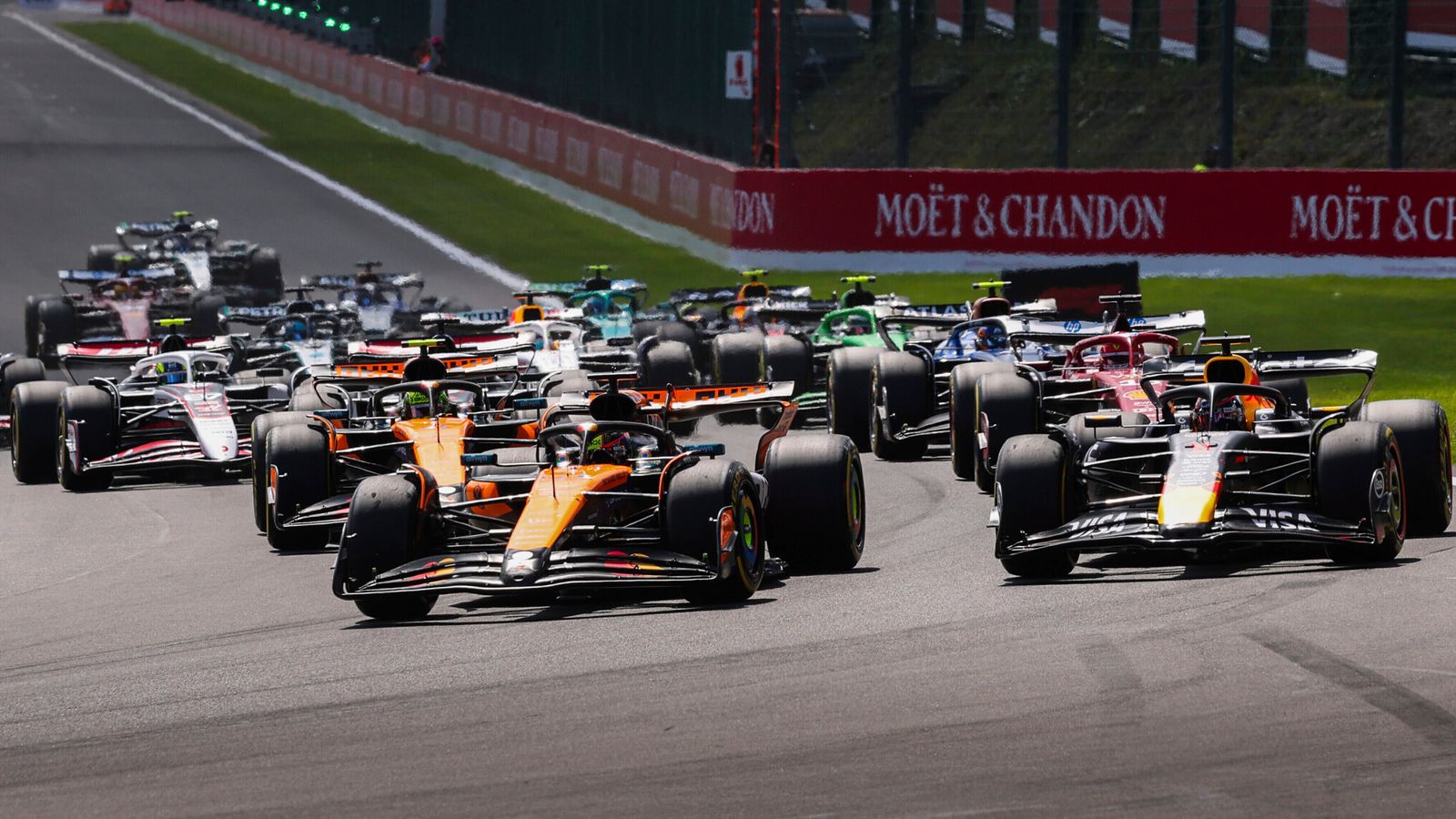
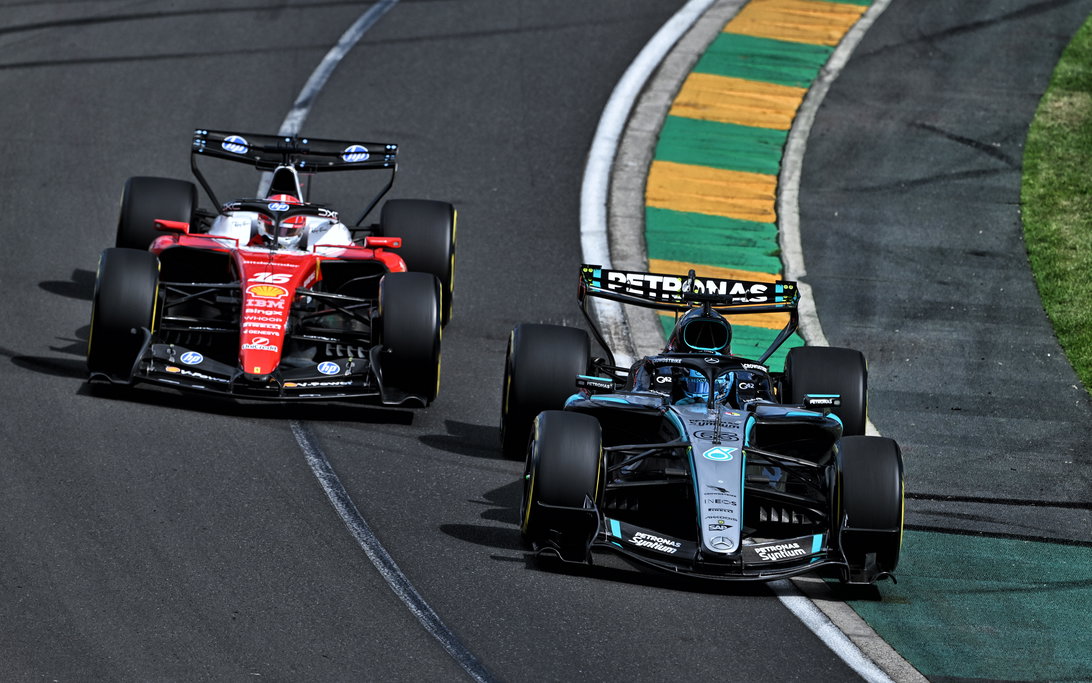
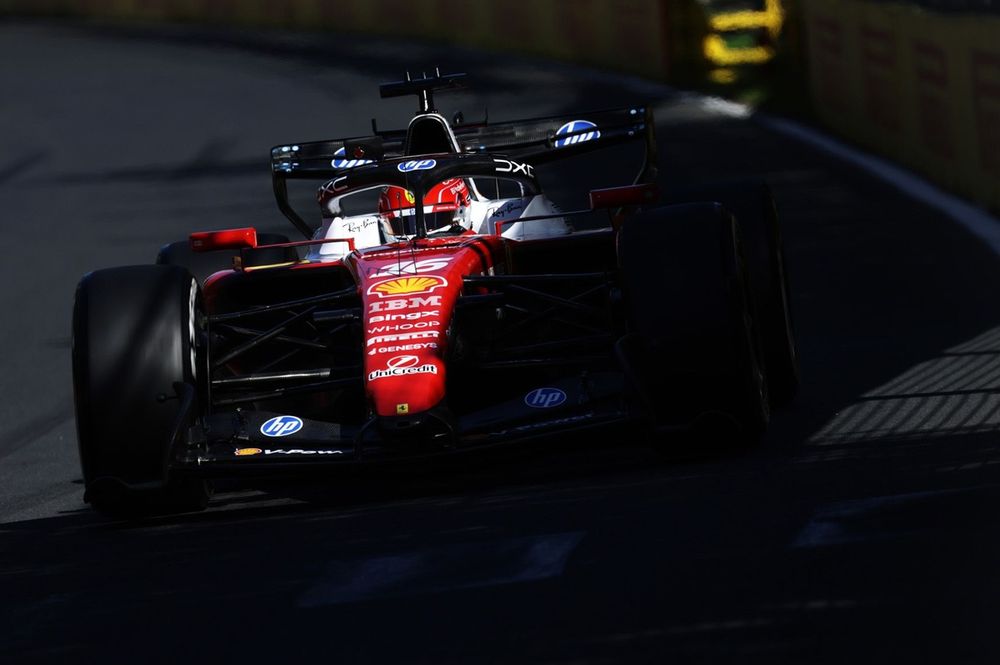
- Despite these issues, the race featured a reported 120 overtakes—a massive increase from 45 the previous year—including a prolonged, multi-lap battle for the lead between Ferrari's Charles Leclerc and Mercedes' George Russell.
- Complex New Modes: Drivers and teams are grappling with a new lexicon of power unit modes like straight mode, overtake mode, and super clipping, adding a strategic layer that can be confusing for casual viewers but may enrich the sport long-term.
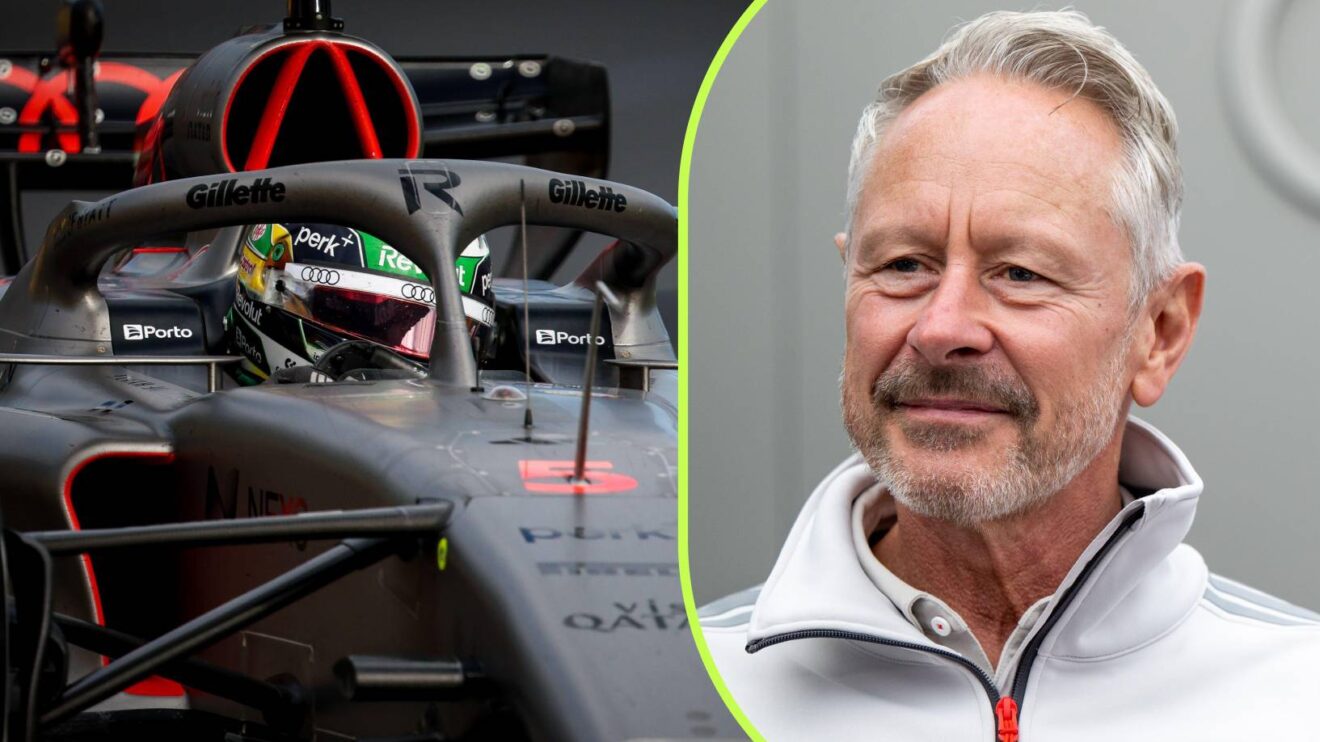
- Industry Consensus for Caution: Sauber (Audi) team boss Jonathan Wheatley echoed Vasseur's sentiment, emphasizing it was "the very first race" and that car performance and drivability will become more sophisticated as teams develop their packages.
What's next:
The consensus among team principals is to gather more data over the next several Grands Prix before considering any regulatory interventions. The FIA is noted for its open dialogue with teams and drivers, and the governing body will likely monitor the situation closely. The coming races on different circuit layouts will provide a clearer picture of whether the observed issues—particularly around energy recovery and start procedures—are fundamental flaws or early-season teething problems. As Wheatley suggested, the goal is to refine these cars into potentially "the best Formula 1 cars of all time" over the full regulatory cycle, not in the first few weeks.
Original Article :https://www.motorsport.com/f1/news/mistake-ferrari-warns-against-knee-jerk-react...