



The stories behind every F1 driver's race number for 2026
From personal milestones to family tributes, the permanent numbers on an F1 car often hold deep meaning for the drivers who choose them. The 2026 grid features a mix of iconic numbers, sentimental choices, and one significant change, with reigning champion Lando Norris adopting the coveted #1 and Max Verstappen switching to a long-desired single digit.
Why it matters:
Permanent numbers, introduced in 2014, have become a key part of a driver's identity, creating a direct and recognisable link with fans. The stories behind them offer a personal glimpse into the drivers' careers, heroes, and superstitions, adding a layer of narrative to the sport beyond pure competition. A recent rule change also now allows drivers to request a number swap during their career, adding a new dynamic to number selection.
The details:
The 2026 driver lineup and their number choices, along with the reasons behind them, are as follows:
- #1 Lando Norris (McLaren): The reigning world champion exercised his right to use #1, taking over from Max Verstappen. He stated it’s a number his entire team “can wear with pride.”
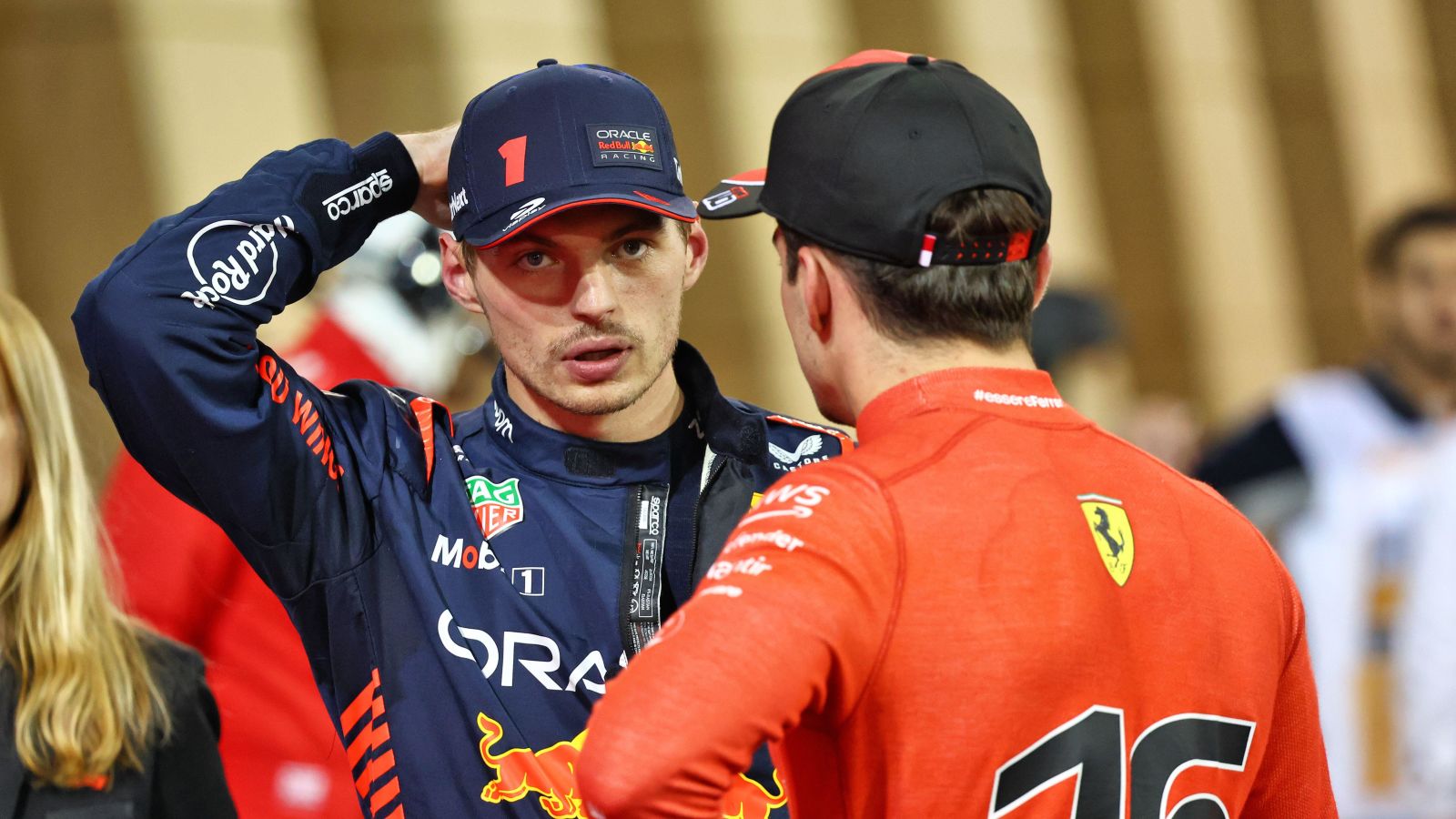
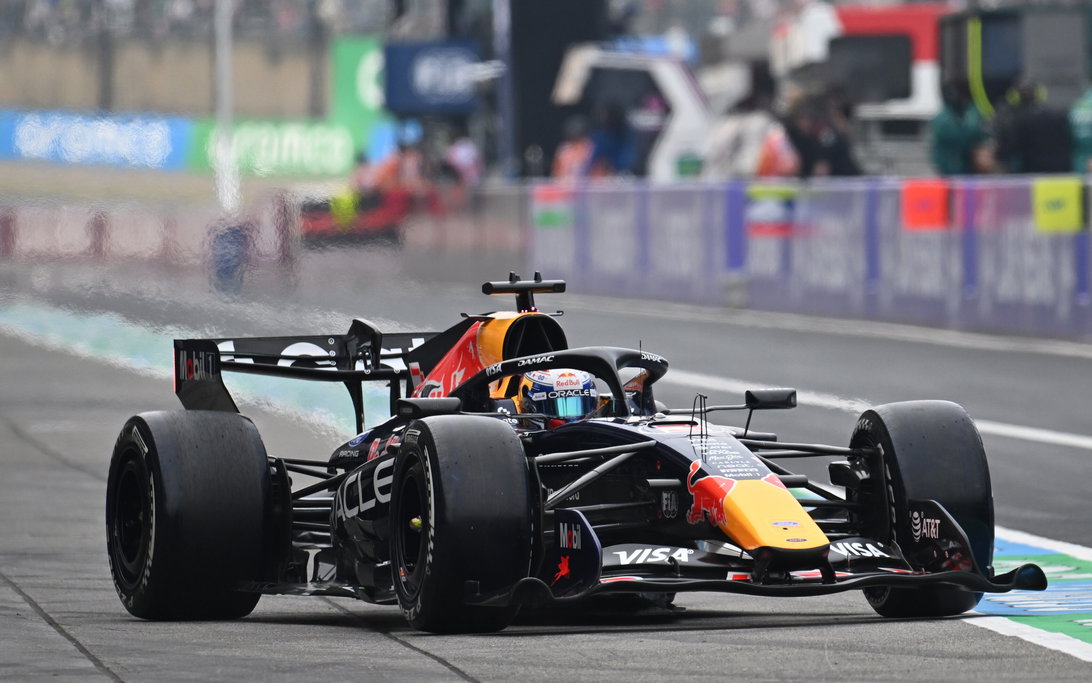
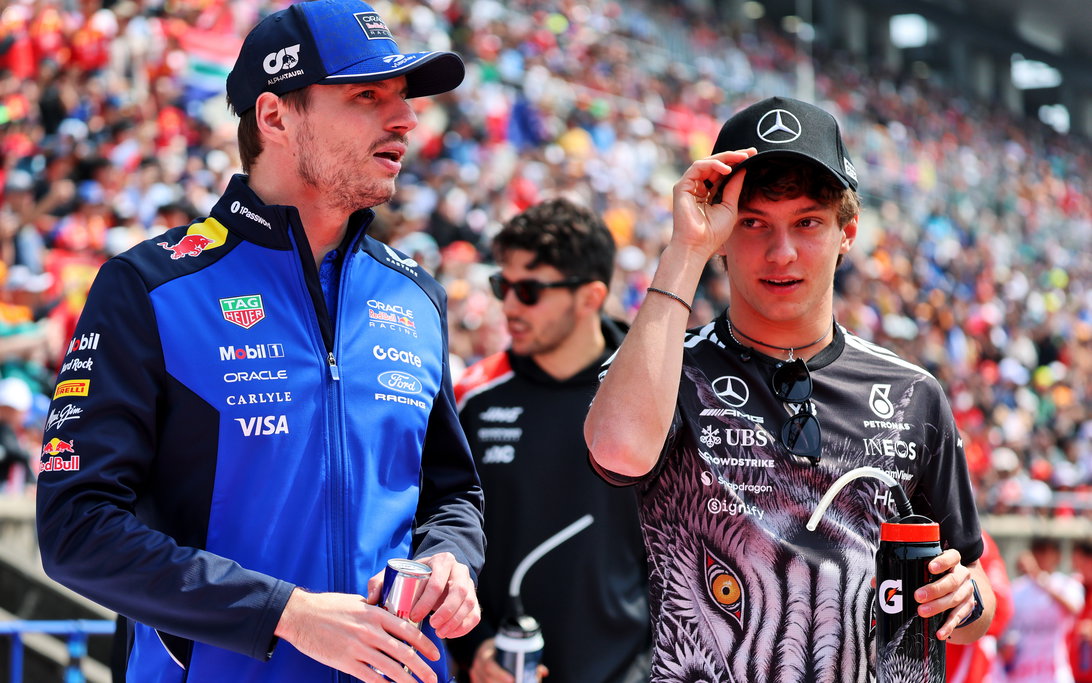
- #3 Max Verstappen (Red Bull): Utilizing the new rule, the four-time champion switched from #33 to #3, a number he always wanted. He received approval from its previous holder, Daniel Ricciardo, who left F1 in 2024.
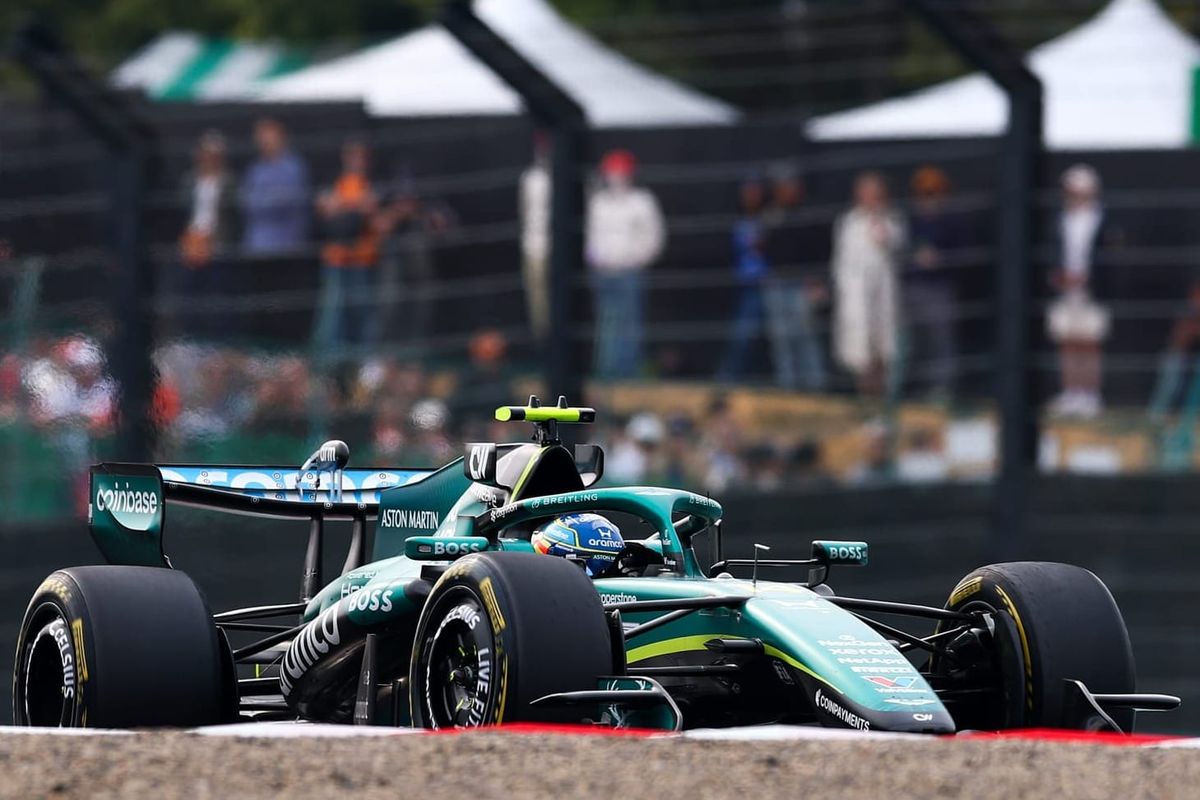
- #14 Fernando Alonso (Aston Martin) & #16 Charles Leclerc (Ferrari): Alonso’s number commemorates the date (14/7) and age (14) he won his karting world title. Leclerc’s #16 stems from his birthdate (16/10) and a calculation: 1+6=7, his originally desired but unavailable number.
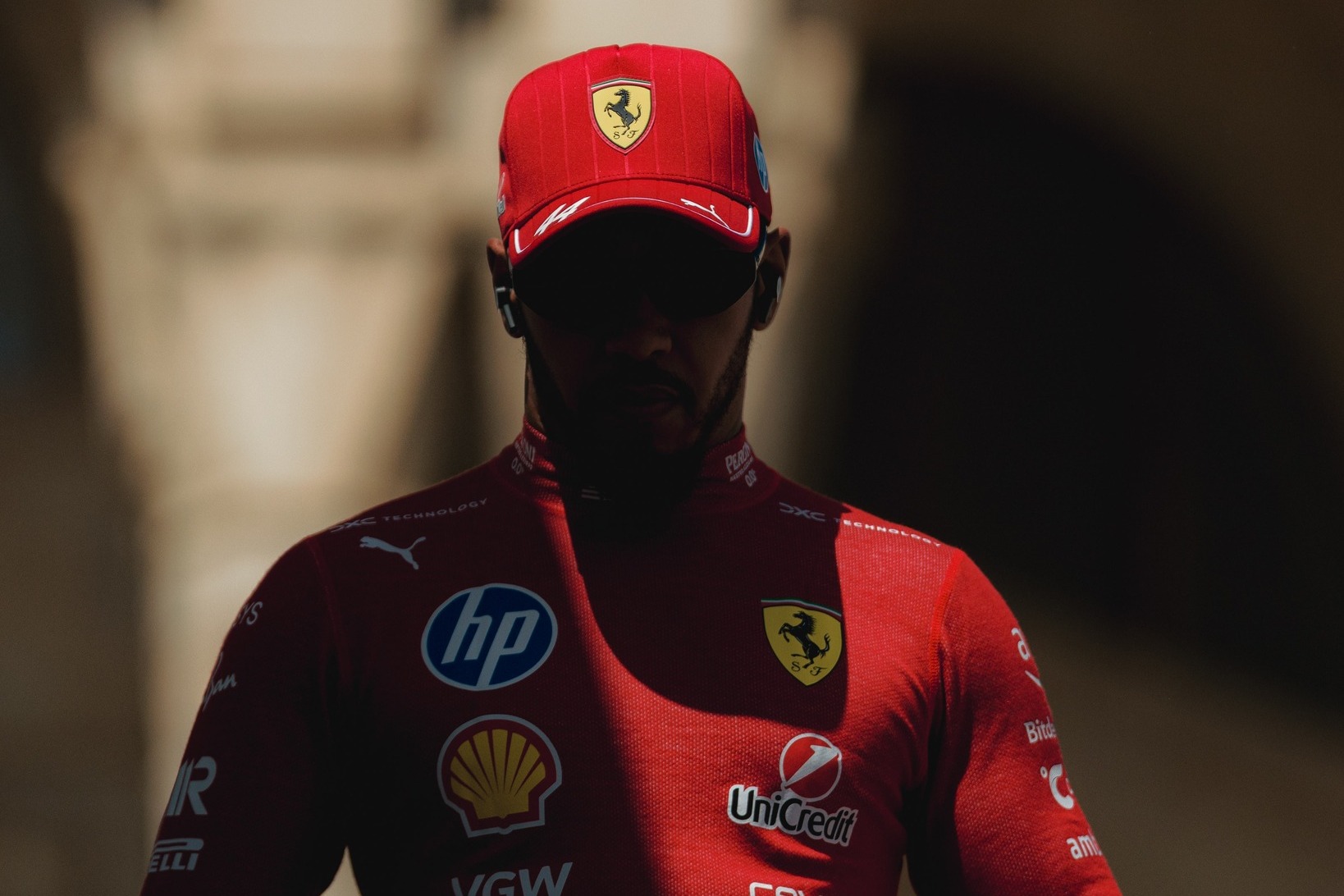
- #44 Lewis Hamilton (Ferrari) & #63 George Russell (Mercedes): Hamilton’s iconic #44 came from his father’s car license plate (F44). Russell’s #63 is a family number used by his brother in karting and creatively resembles his initials (GR).
- Newcomers and Returnees: Rookie Kimi Antonelli (#12) chose his number in tribute to idol Ayrton Senna. Returnee Sergio Perez (#11) sticks with his number, a nod to footballer Ivan Zamorano.
- Sentimental Selections: Many numbers are tied to past success, like Pierre Gasly’s #10 (his title-winning number in Formula Renault) or Oliver Bearman’s #87 (combining his father’s and brother’s birth dates).
What's next:
The system ensures some numbers remain in a holding pattern. Drivers retain rights to their number for two years after leaving the grid, allowing for comebacks like those of Alex Albon (#23) and Nico Hulkenberg (#27).
- Numbers currently reserved and unavailable for 2026 include #2 (Logan Sargeant, available mid-2026), #22 (Yuki Tsunoda, end of 2027), and #7 (Jack Doohan, mid-2027).
- The number #17 is permanently retired from F1 in honor of the late Jules Bianchi.
- As driver lineups evolve, the stories behind the numbers will continue to add personal history to the technical and competitive spectacle of Formula 1.
Original Article :https://www.motorsport.com/f1/news/f1-2026-driver-numbers-who-runs-which-number-...