




The Role and Power of the FIA President
Mohammed Ben Sulayem's uncontested re-election as FIA President secures his leadership of global motorsport's governing body for another four years, a role that wields significant influence over Formula 1 and all FIA-sanctioned series worldwide. The position, steeped in history and controversy, combines executive authority, public diplomacy, and strategic oversight of the sport's future direction.
Why it matters:
The FIA President is the ultimate regulatory authority in Formula 1, with the power to shape sporting regulations, appoint key officials like the race director, and influence major initiatives from sustainability to safety. Ben Sulayem's continued tenure, achieved without opposition, solidifies his vision for the organization amidst internal governance criticisms and sets the strategic course for motorsport through the end of the decade.
The details:
- Election and Term Limits: The President is elected every four years by FIA Member Clubs from across six continents, with a maximum limit of three terms (12 years). Ben Sulayem, first elected in 2021, can now serve until at least 2029.
- Executive Authority: The role involves running the FIA and having final say on major changes. A recent example was the November 2024 departure of F1 Race Director Niels Wittich, understood to be a dismissal following a falling out with the President.
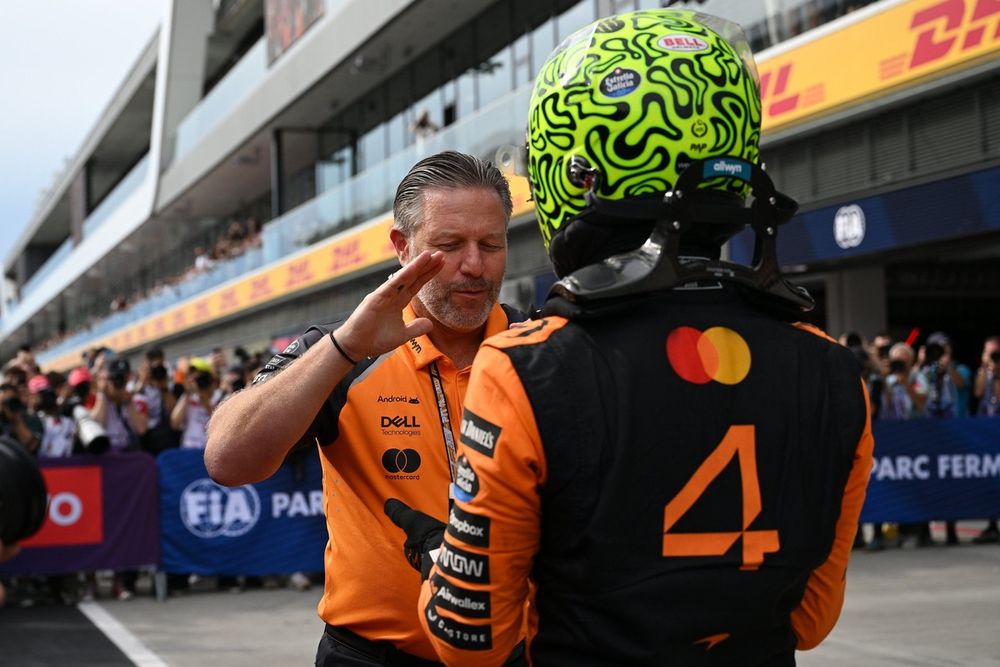
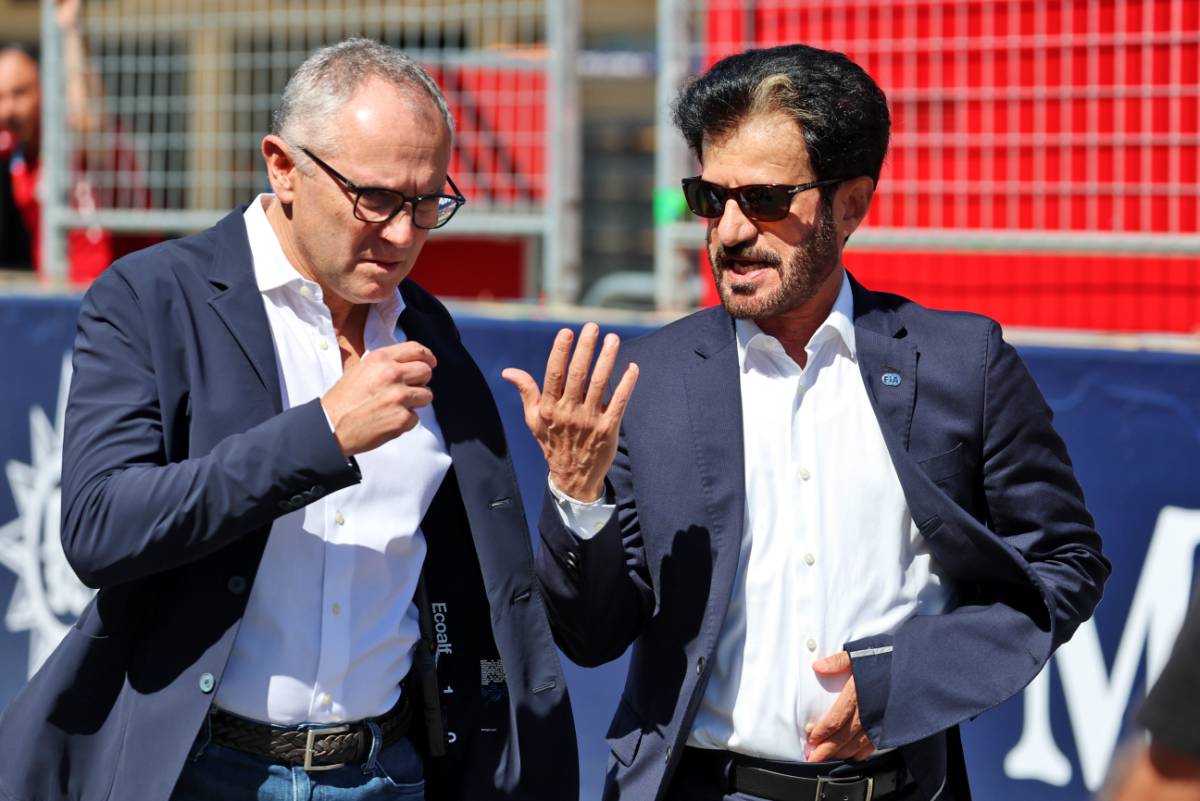
- Public and Ceremonial Duties: The President is the external face of the FIA, regularly seen in parc ferme, on the podium presenting medals, and networking on the pre-race grid. They also host the annual FIA Prize Giving ceremony, honoring champions from all sanctioned series.
- Strategic Initiatives: The office oversees wide-ranging projects like the FIA's Net Zero by 2030 goal, the introduction of sustainable fuels in F1 for 2026, and educational partnerships such as the Motorsport Engineering Scholarship with Cranfield University.
The big picture:
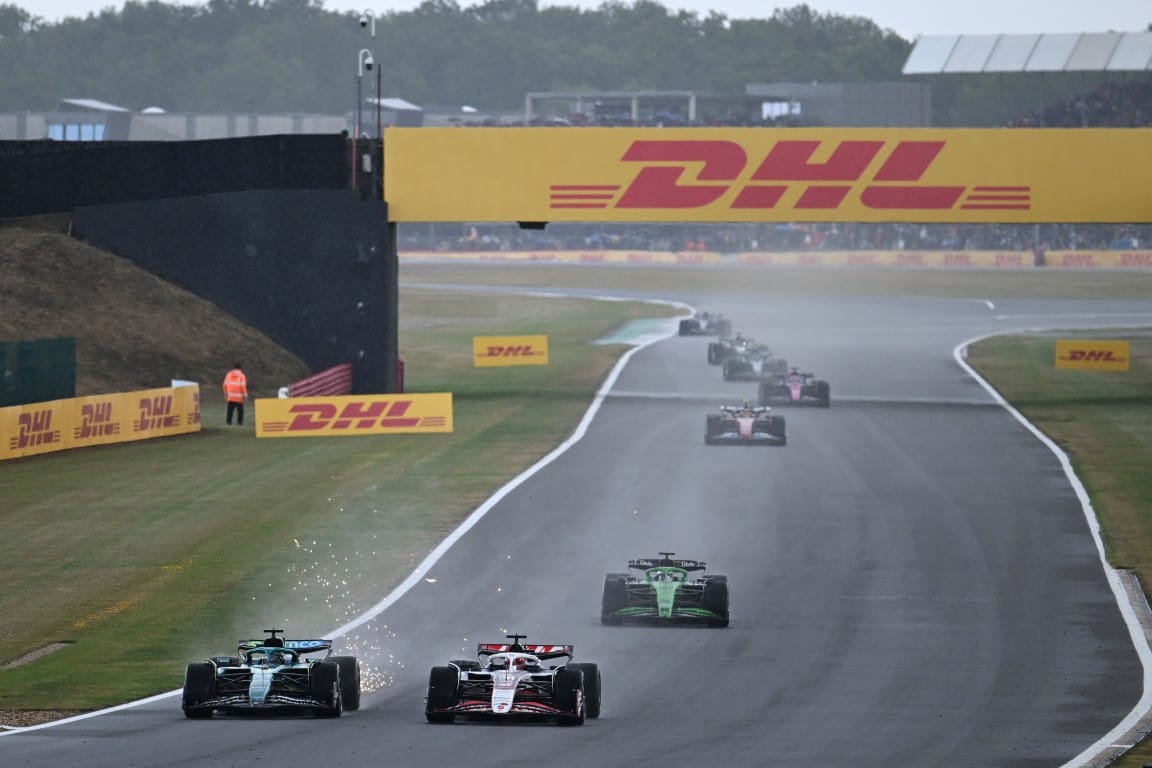
The presidency's influence extends far beyond F1. The FIA sanctions over 50 series globally, including seven world championships: Formula 1, Formula E, the World Rally Championship (WRC), the World Endurance Championship (WEC), World Rallycross, World Rally-Raid, and the World Karting Championship. The President can ultimately have a say in decisions affecting any of these championships. Despite this power, the role is not salaried, as the FIA operates as a non-profit organization funded by entry and super licence fees.
Between the lines:
Ben Sulayem's unopposed re-election followed a controversial process where potential candidates, including Carlos Sainz Sr. and former steward Tim Mayer, were unable to formally stand due to procedural hurdles. Critics point to this, alongside the April 2024 resignation of Deputy President for Sport Robert Reid—who cited a "breakdown of governance standards"—as evidence of internal discord. The uncontested result consolidates Ben Sulayem's control but raises questions about democratic processes within the federation's leadership selection.
What's next:
Ben Sulayem's new term will be defined by his ability to navigate governance criticisms while steering the FIA through pivotal moments like the 2026 F1 regulatory revolution. His direct involvement in new departments, such as the recently launched Officials Department he heads, signals a hands-on approach. The coming years will test whether his leadership can unify the organization and effectively manage the evolving commercial and sporting landscape of global motorsport.
Original Article :https://www.motorsport.com/f1/news/fia-president-role-what-do-they-do/10677583/