







The biggest dangers around the 'car killer' Madring F1 circuit
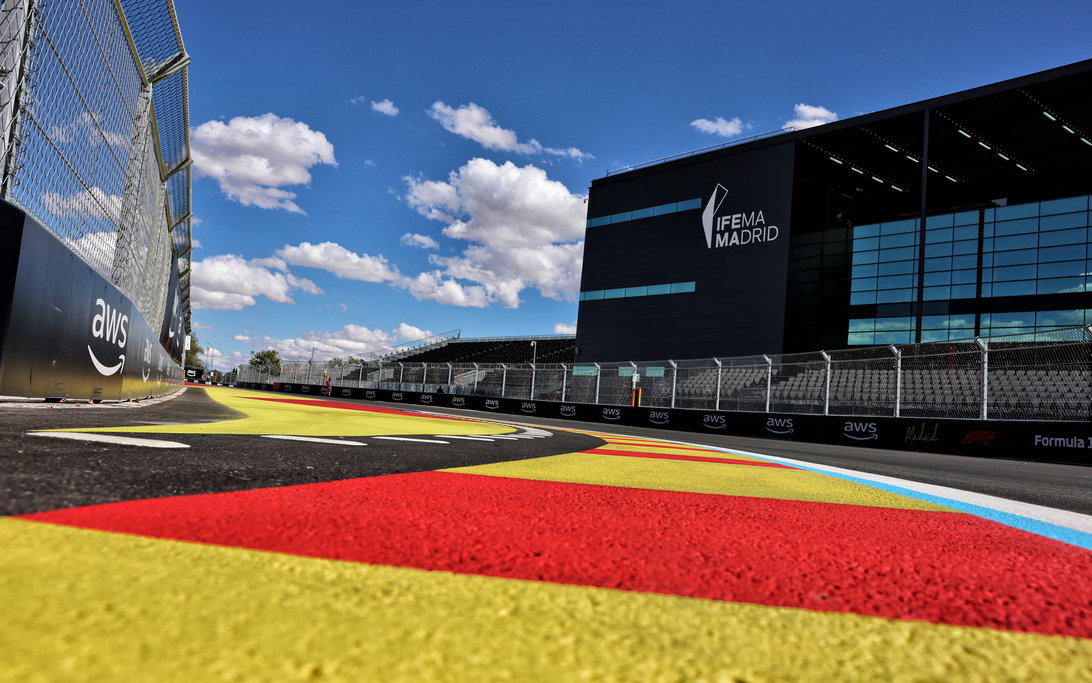
Formula 1 heads to a brand-new venue this weekend as the Spanish Grand Prix moves to Madrid's Circuito de Madring. The track's first official test last month was chaotic: Formula 3 produced 11 red flags for barrier hits, prompting Williams boss James Vowles to call it a 'car killer.'
Why it matters:
The Madring's high-speed layout and tight run-off areas leave little room for error. With F1 cars significantly faster than F3 machinery, the risk of incidents could be even higher, making qualifying and race strategy crucial.
The details:
- Turns 5-6 chicane: After an 800-meter straight where F1 cars hit 340 km/h, drivers must brake to 80 km/h. The hard braking, tight chicane, and minimal run-off make it the most crash-prone area.
- Turn 7: The circuit's highest point at 697 meters. A blind turn over a ridge with a wall dangerously close to the exit. Drivers can't see the apex while braking, increasing the chance of hitting the wall.
- Turn 17: A sharp 90-degree right into a tunnel under the M-11 highway. Concrete walls line both sides, and limited visibility adds to the challenge. Approaching from Turns 14-15, cars face high aerodynamic load and turbulent air, which can destabilize them.
- Turn 12 'La Monumental': The signature 550-meter, 24-degree banked corner. Cars pass through at around 300 km/h, experiencing massive lateral forces for about five seconds. It didn't cause many incidents in F3, but the consequences of a crash here could be severe.
What's next:
The Spanish GP will be the first real test for F1 cars at Madring. Drivers will need to balance aggression with caution, especially in qualifying, where track limits and wall contact could prove costly. With the track already earning a 'car killer' reputation, the race weekend could be as much about survival as speed.
Original Article :https://racingnews365.com/the-biggest-dangers-around-the-car-killer-madring-f1-c...