






Technical Glitches and Historic Milestones: Lessons from Sepang
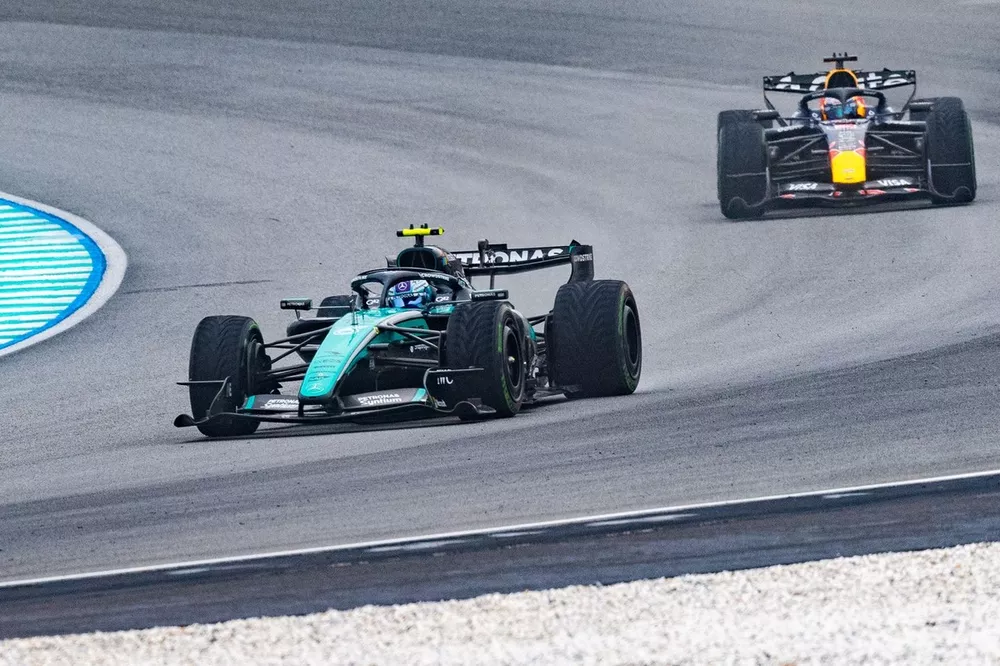
F1's return to Sepang after nine years was a rollercoaster of historic achievements and technical nightmares. While Red Bull celebrated a landmark victory for its own power unit, the weekend exposed systemic vulnerabilities in the 2026 regulations and a volatile shift in team performance.
Why it matters:
The 2026 regulation shift was designed to usher in a new era of efficiency and competition, but the Malaysian Grand Prix proved the transition is far from seamless. The exposure of a critical software bug during wet conditions suggests that the most complex power units in F1 history may still be too fragile for unpredictable weather, posing a potential safety and spectacle risk for the remainder of the season.
The details:
- Red Bull's Manufacturing Milestone: Ford-sponsored Red Bull Powertrains achieved a historic first by winning a race as a full engine manufacturer, cementing the team's independence from external suppliers.
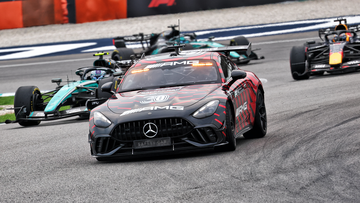
- Wet-Weather Vulnerability: A specific ECU software bug, triggered by the low-speed conditions of a rain-soaked track, caused significant chaos and delays, forcing the FIA to issue emergency software updates.
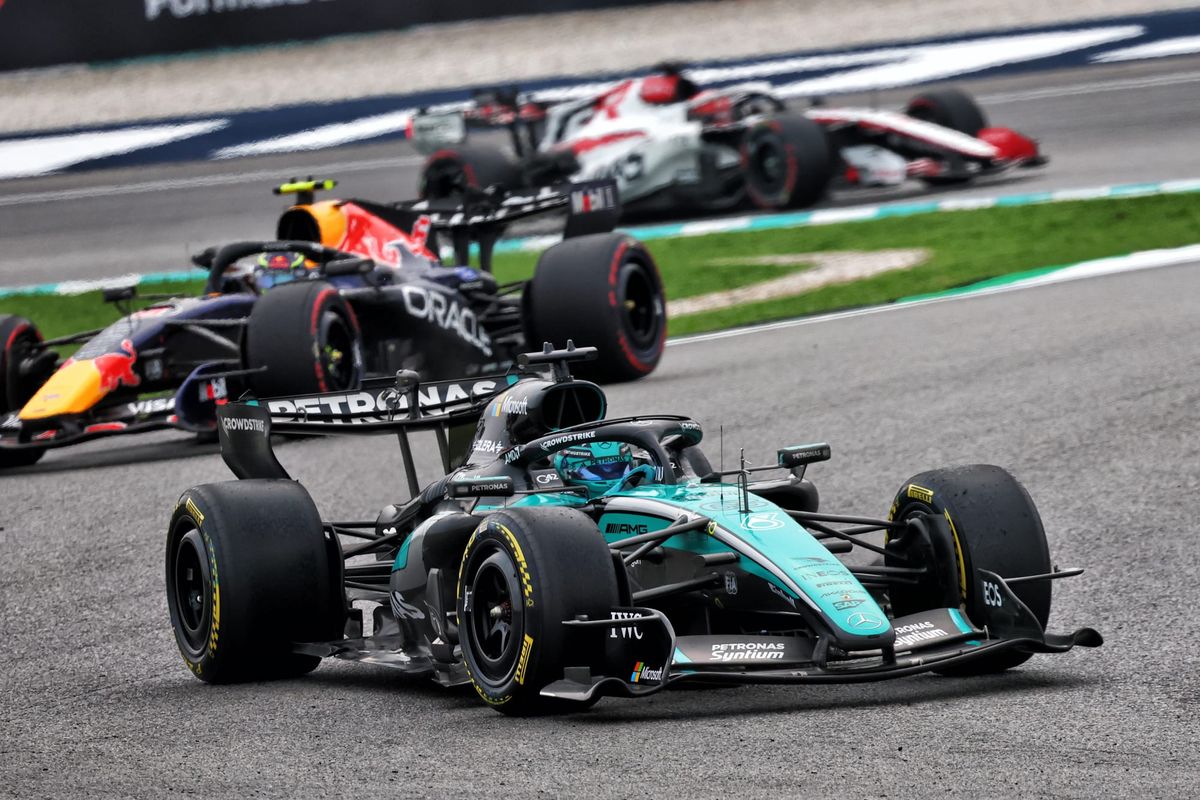
- Mercedes' Upgrade Puzzle: A major aerodynamic package expected to yield a 0.3s gain underperformed, leaving the team questioning if the car actually lost pace.
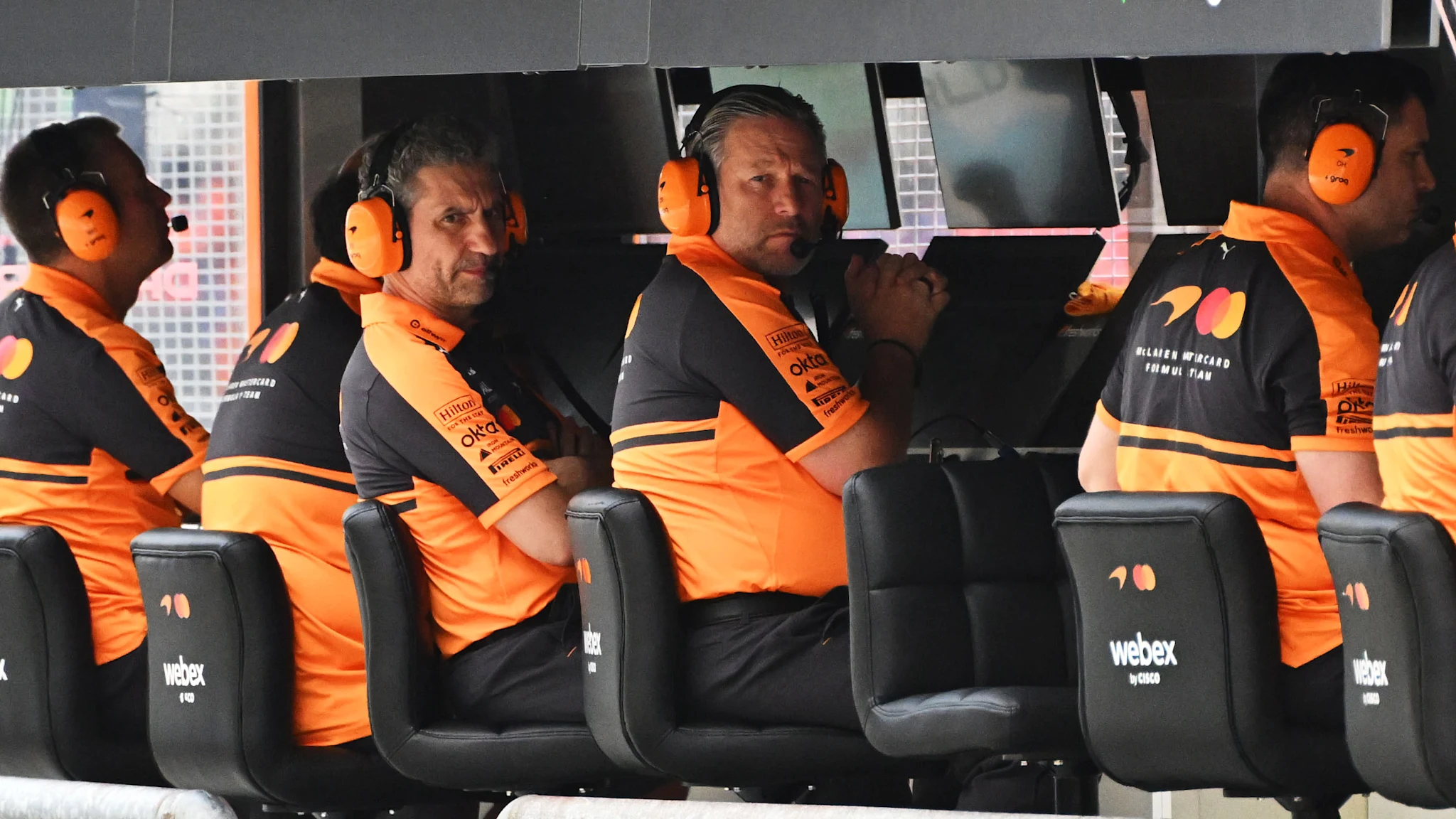
- McLaren's Competitive Slide: Once the benchmark for pace, McLaren has slipped to the fourth-fastest team, struggling to keep pace with the development curves of Red Bull, Ferrari, and Mercedes.
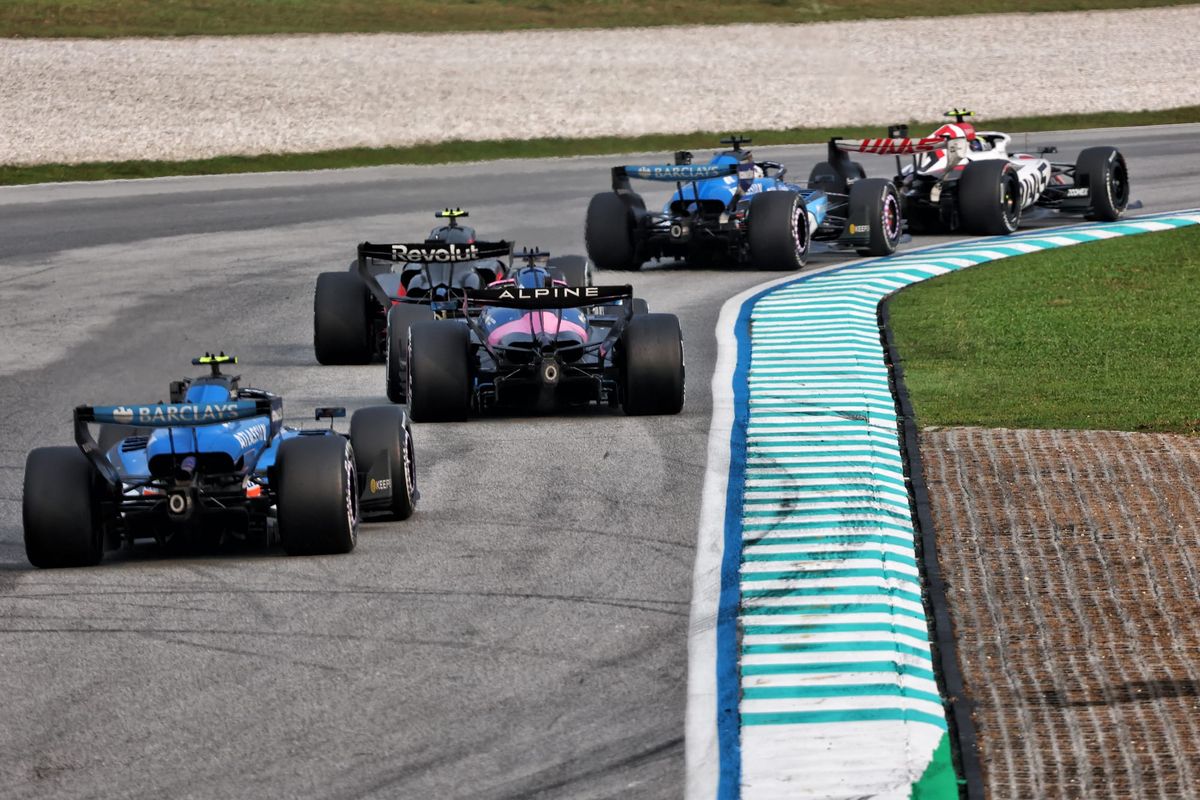
- Midfield Shift: Racing Bulls is now firmly established as the 'best of the rest,' holding a 22-point lead over an inconsistent Alpine in the fight for fifth in the constructors' championship.
The big picture:
Beyond the technical drama, the weekend served as a referendum on the F1 calendar. In an era dominated by sterile city-center circuits, Sepang's return proved the enduring value of 'old-school' tracks that prioritize elevation and overtaking over aesthetics. However, the contrast between Red Bull's engine triumph and the general grid's struggle with the new regulations suggests a widening gap in how teams are adapting to the 2026 power unit era.
What's next:
Attention now shifts to Singapore, a sprint weekend that will act as a critical litmus test for several teams. Mercedes will undergo intense debriefs to decide whether to revert to their old-spec car, while Aston Martin and Honda will attempt to decode the erratic performance swings that saw Fernando Alonso secure an unlikely eighth place in Malaysia.
Original Article :https://www.the-race.com/formula-1/everything-we-learned-from-f1-malaysia-return...