



Suzuka's layout offers relief from F1's new overtake 'yo-yo' effect
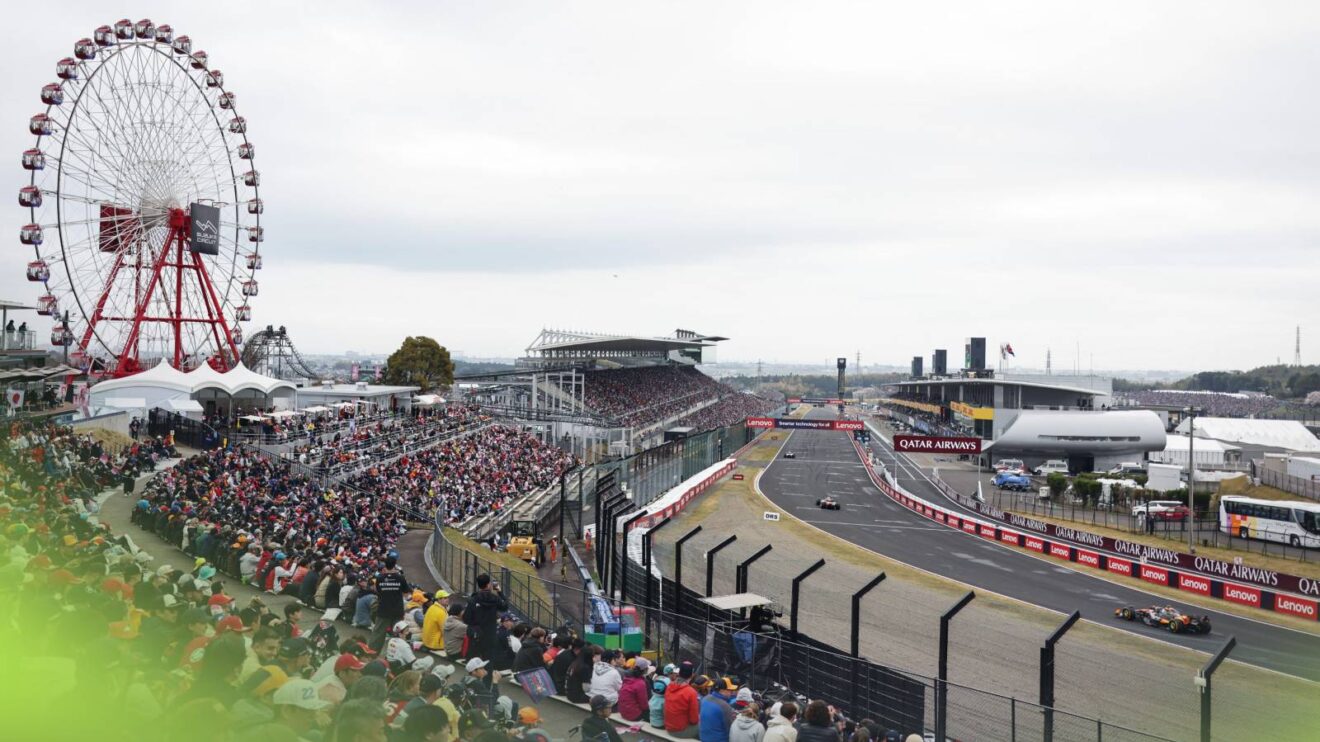
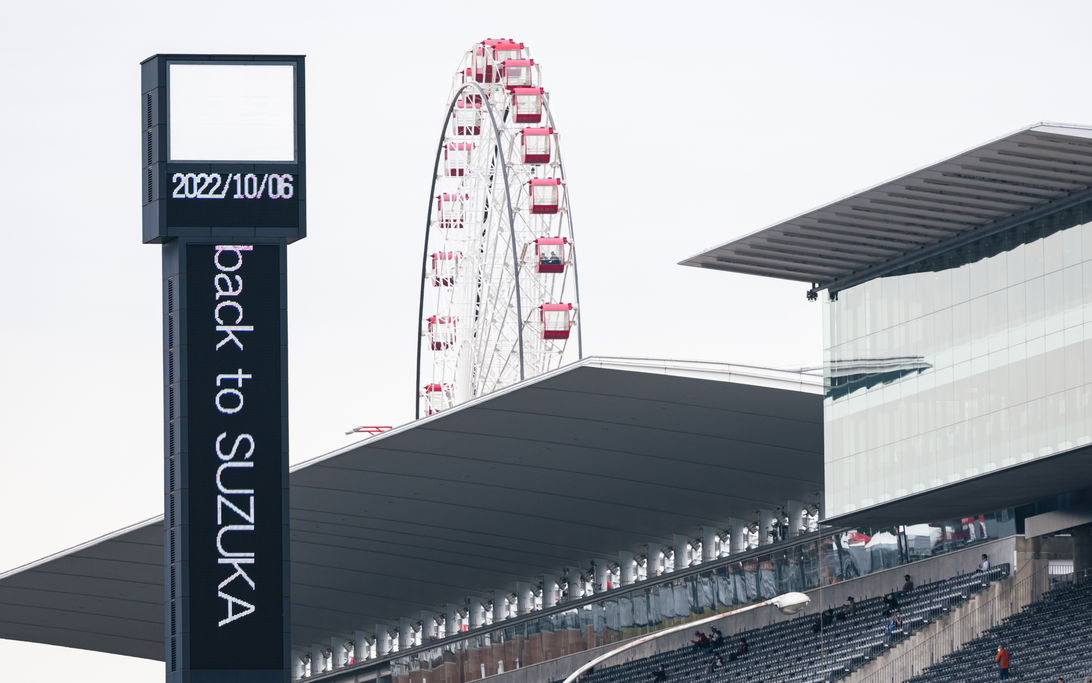
The unique layout of the Suzuka circuit is expected to mitigate one of the most criticized aspects of Formula 1's new 2026 regulations: the artificial 'yo-yo' effect during overtaking. However, the same track will expose another key challenge, as the mandated reduction in downforce this year will significantly impact car performance through its legendary high-speed corners, making the Japanese Grand Prix a complex test of the new rules.
Why it matters:
The new power unit regulations, designed to create more overtaking, have led to complaints that the racing feels artificial, with drivers swapping positions based on battery charge cycles rather than pure skill or car performance. Suzuka serves as a critical real-world test of whether classic, demanding circuits can retain their character under these new rules or if the spectacle is fundamentally changed.
The details:
- Curbing the 'Yo-Yo': The new 50-50 combustion-electric power split and overtake buttons have created scenarios where a driver with a full battery can pass, only to be immediately re-passed when their rival's battery recharges. At Suzuka, the placement of the overtake detection zone before the final corner means the speed boost is used on the main straight.
- Alpine's Dave Greenwood notes that if a pass is completed before Turn 1, a re-pass becomes very difficult as cars immediately enter the technical Esses sequence, not another straight.
- The Downforce Dilemma: The 2026 cars' reduced downforce will have a pronounced effect at a high-speed circuit like Suzuka.
- Apex speeds through the famous Esses (Turns 3-7) will be lower, taken in a lower gear.
- The Spoon Curve will be particularly challenging, with drivers grip-limited for longer, leading to more varied racing lines as they seek the optimal exit onto the straight.
- Even the mighty 130R will see varied approaches, as teams may choose to harvest energy or scrub speed early rather than take it flat-out.
- Energy Management: The circuit presents a mixed bag for the new energy recovery systems. While not overly punishing for recharging, the long straights demand careful deployment. Greenwood predicts visible speed differences through 130R and more harvesting before the final chicane as teams manage their electrical resources.
What's next:
The Japanese GP will provide the clearest evidence yet of how the 2026 regulations interact with one of the sport's ultimate driver's circuits. Teams and drivers will have to master a delicate balance: exploiting the one-shot overtake opportunity on the straight while managing a car with less downforce through the technical sections. The weekend will reveal if the new rules enhance the racing or simply add another layer of complexity to the challenge of Suzuka.
Original Article :https://racingnews365.com/f1-drivers-handed-much-needed-suzuka-boost-after-recen...