




Super Clipping Remains a Critical Threat to Miami GP Action
The disruptive 'super clipping' phenomenon, which has plagued the early 2024 F1 season by causing dangerous speed deficits on straights, is poised to be a decisive factor at the upcoming Miami Grand Prix unless regulations are swiftly adjusted. The issue, stemming from the 2026 power unit rules being tested early, forces cars to drastically reduce electrical deployment to recharge batteries, creating massive speed differences and major safety concerns on track.
Why it matters:
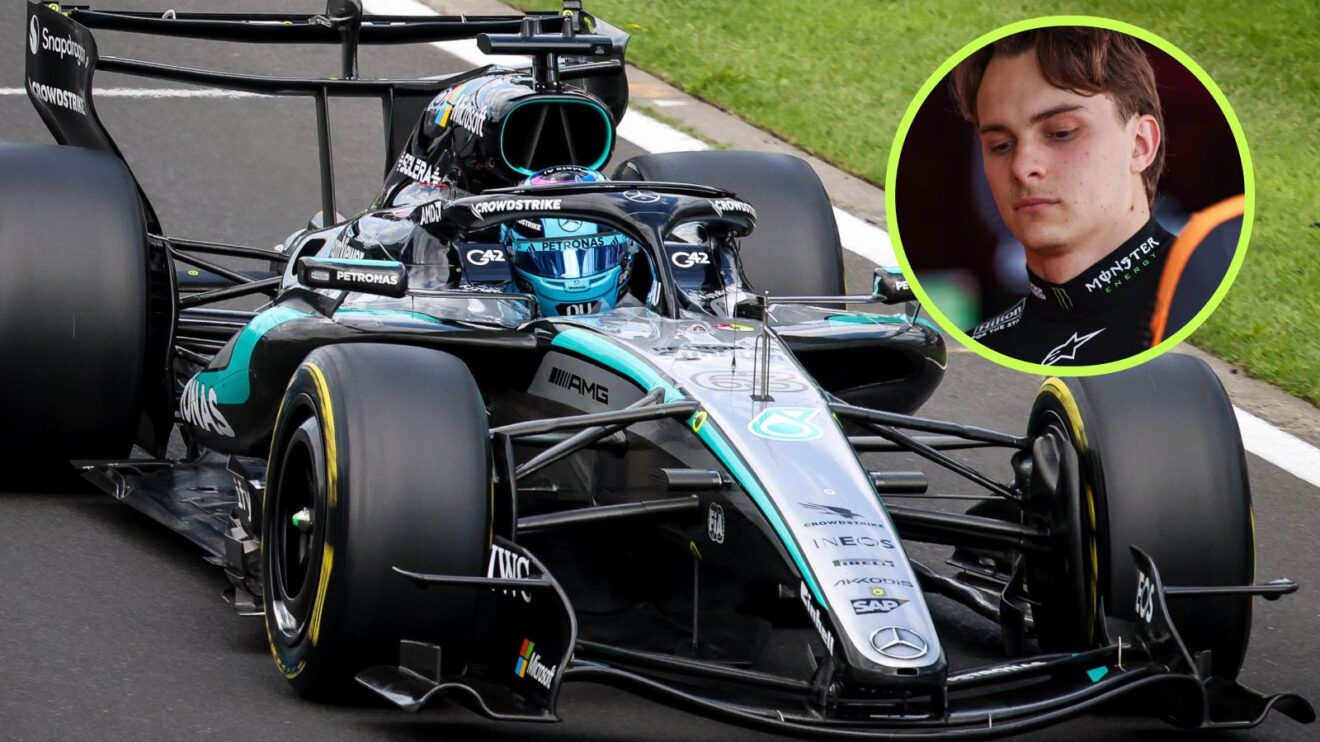
Super clipping strikes at the core of racing quality and safety. It creates unpredictable and hazardous speed differentials on circuits' fastest sections, undermining wheel-to-wheel competition and increasing the risk of high-speed collisions, as nearly witnessed with Oliver Bearman's crash in Japan. For fans, it translates to artificial and frustrating periods where cars appear to slow down inexplicably on straights, damaging the spectacle of the sport.
The Details:
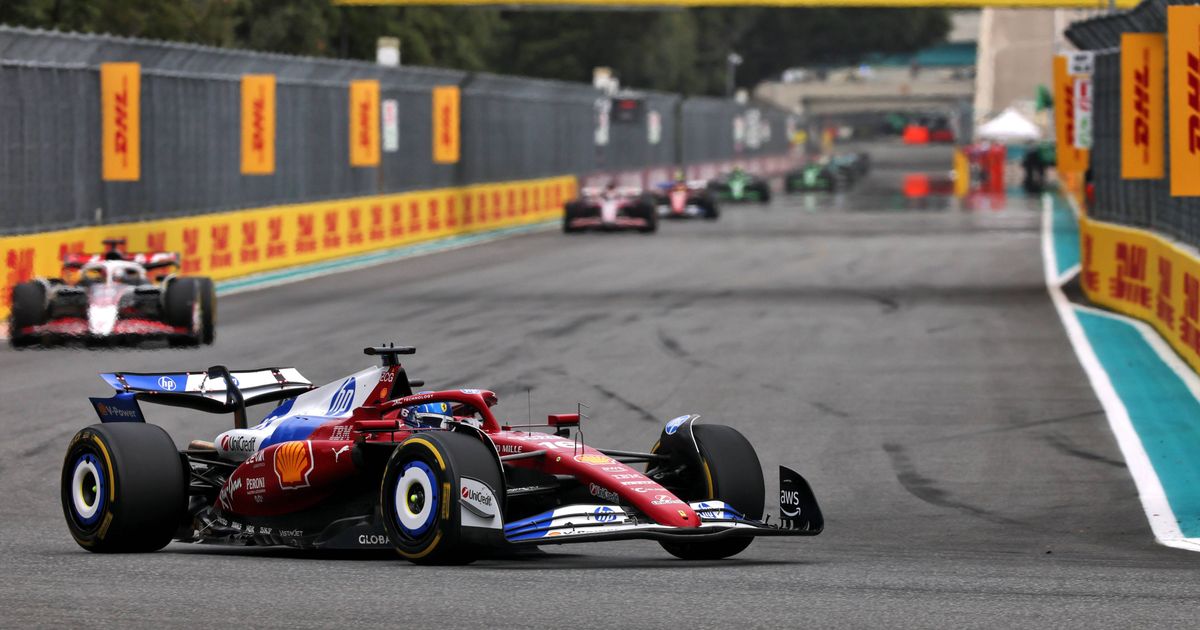
- The Miami International Autodrome presents two prime zones for super clipping to disrupt the race, primarily due to its layout featuring two very long full-throttle sections.
- The Main Straight: The long run to the start-finish line is preceded by a sequence of high-speed corners (Turns 16-18), similar to Suzuka's famed S-curves. Drivers exhaust their battery energy through these corners, leaving minimal deployment for the straight and creating a severe speed deficit, especially critical in qualifying.
- The Back Straight: One of the longest on the calendar, this straight could also see clipping effects. However, the slow and twisty nature of the middle sector preceding it may allow drivers to harvest more energy, potentially mitigating the issue slightly compared to the main straight.
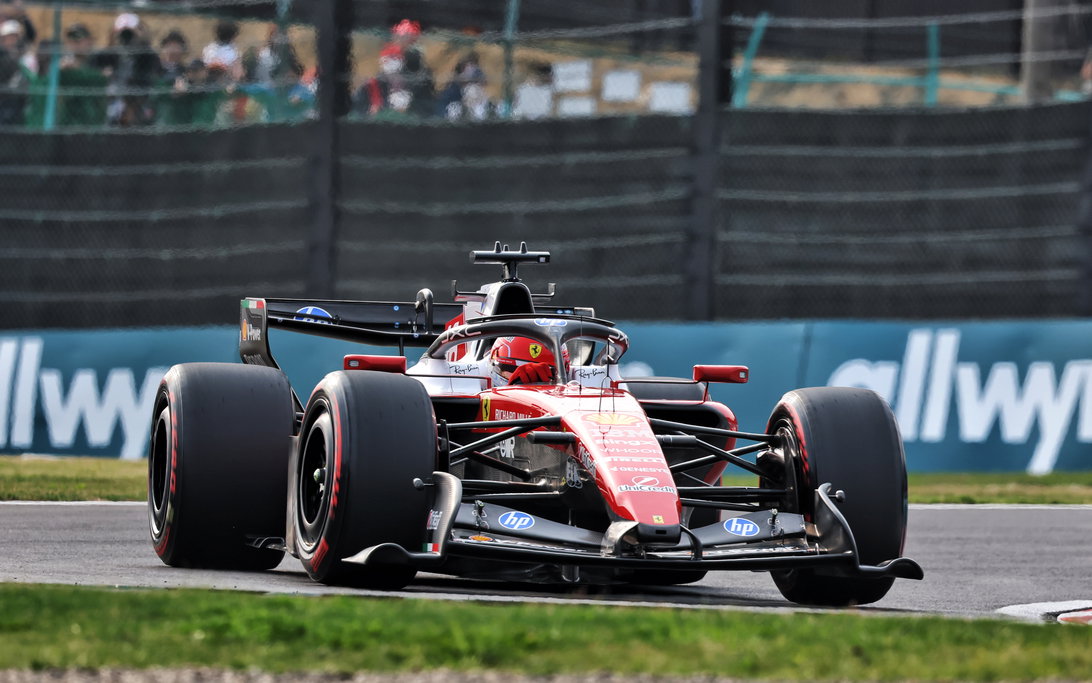
- The problem was most acute in Japan, where cars approached the 130R corner and the subsequent chicane with massive speed differences. China showed minor improvement, but the fundamental flaw remains unresolved within the current regulatory framework.
What's next:
All eyes are on the FIA and the teams to find a solution. A key meeting scheduled for April 9th is expected to address the super clipping crisis, with paddock consensus building around the urgent need for regulatory tweaks before the European season begins.
- The goal is to adjust energy deployment and harvesting rules to prevent cars from becoming moving chicanes on flat-out sections of track.
- Without changes, the competitive and safety integrity of races in Miami and beyond remains under threat, putting pressure on the sport's stakeholders to act decisively to preserve the quality of racing in this new regulatory era.
Original Article :https://www.gpblog.com/en/general/the-factor-that-risks-shaping-miami-once-more-...