






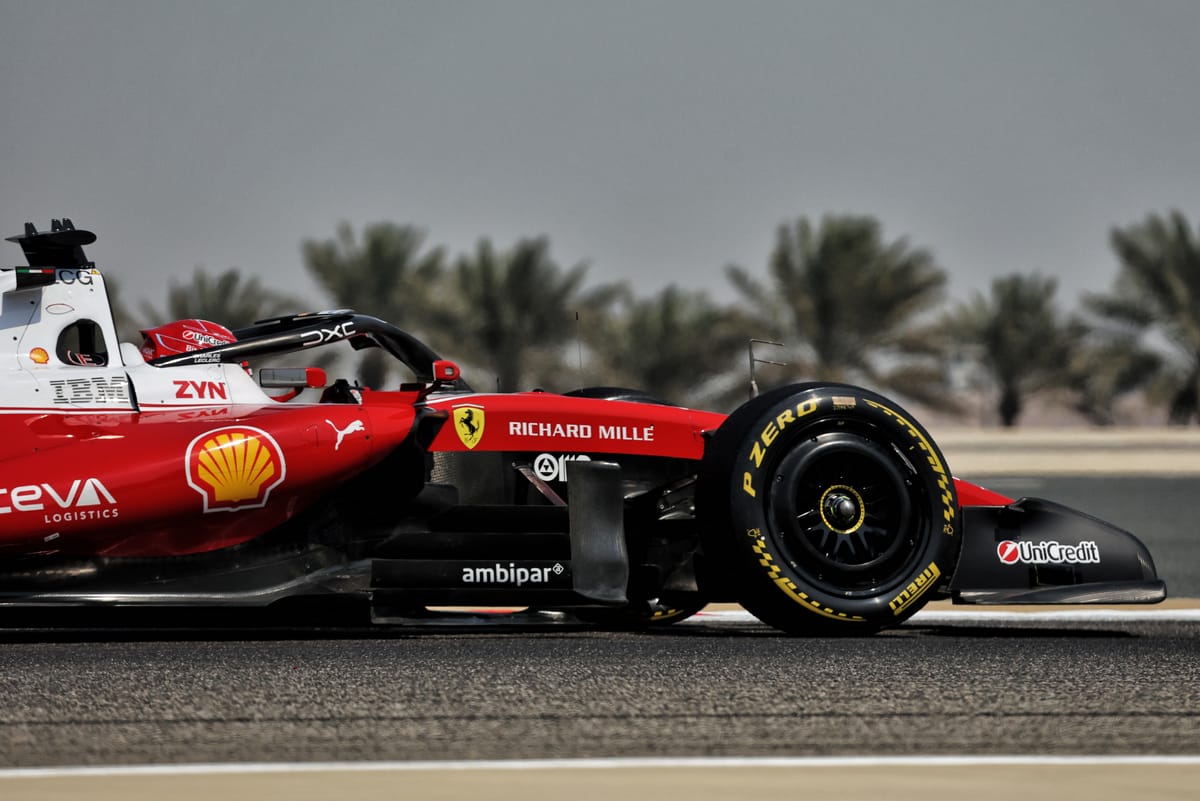
Super clipping: F1's 2026 energy battleground
Super clipping, a tactic where the MGU-K harvests energy while a driver is on full throttle, has emerged as a central and controversial strategy for Formula 1's energy-starved 2026 cars. While effective for battery recovery, it reduces top speed and has sparked safety debates, leading to tests for potential rule changes that could reshape the competitive landscape.
Why it matters:
The 2026 regulations mandate a near 50/50 power split between the combustion engine and battery, making efficient energy harvesting paramount. Super clipping represents a critical performance differentiator, but its implementation touches on core issues of racing spectacle, on-track safety, and could force mid-season technical rule adjustments that benefit some manufacturers over others.
The details:
- What it is: Super clipping engages the MGU-K to recover energy at up to 250kW even when the driver is accelerating at full throttle, typically at the end of straights or in high-speed corners.
- The Trade-off: This sacrifices power to the rear wheels for battery charge, noticeably cutting top speed. In early Bahrain testing, it reduced speeds in Turn 12 by roughly 30km/h (21mph).
- Vs. Lift & Coast: The alternative, 'lift and coast,' allows harvesting at a higher 350kW but forces the car's active aerodynamics into a high-drag mode, which can be more detrimental to lap time than the gradual speed reduction of super clipping.
- Safety Catalyst: McLaren Team Principal Andrea Stella has highlighted a safety risk, arguing that the sudden deceleration from lift and coast could catch out following drivers. He advocates for making super clipping more attractive to deter its use.
- Test for Change: Following these concerns, McLaren trialed super clipping at the full 350kW limit during the second Bahrain test. The FIA is analyzing this data to see if raising the harvest limit would improve safety and the racing product.
What's next:
The FIA faces a delicate balancing act with potential adjustments that could inadvertently reset the competitive order.
- One considered change is reducing the maximum deployment limit from 350kW to 250kW or 200kW, which would ease overall energy starvation.
- If combined with allowing 350kW harvesting via super clipping, it would significantly tilt the energy management equation, potentially penalizing manufacturers who have optimized their systems for the current rules.
- FIA Single-Seater Director Nikolas Tombazis has indicated a cautious, data-driven approach, stating this is "a marathon, not a sprint." Decisions may require analysis from the first few races of the 2026 season, meaning super clipping will remain a pivotal and evolving battleground as teams and regulators seek the optimal formula.
Original Article :https://www.the-race.com/formula-1/super-clipping-how-it-works-why-controversial...
