




Stella Defends F1 Amid Driver Backlash Over Malaysian GP Glitches
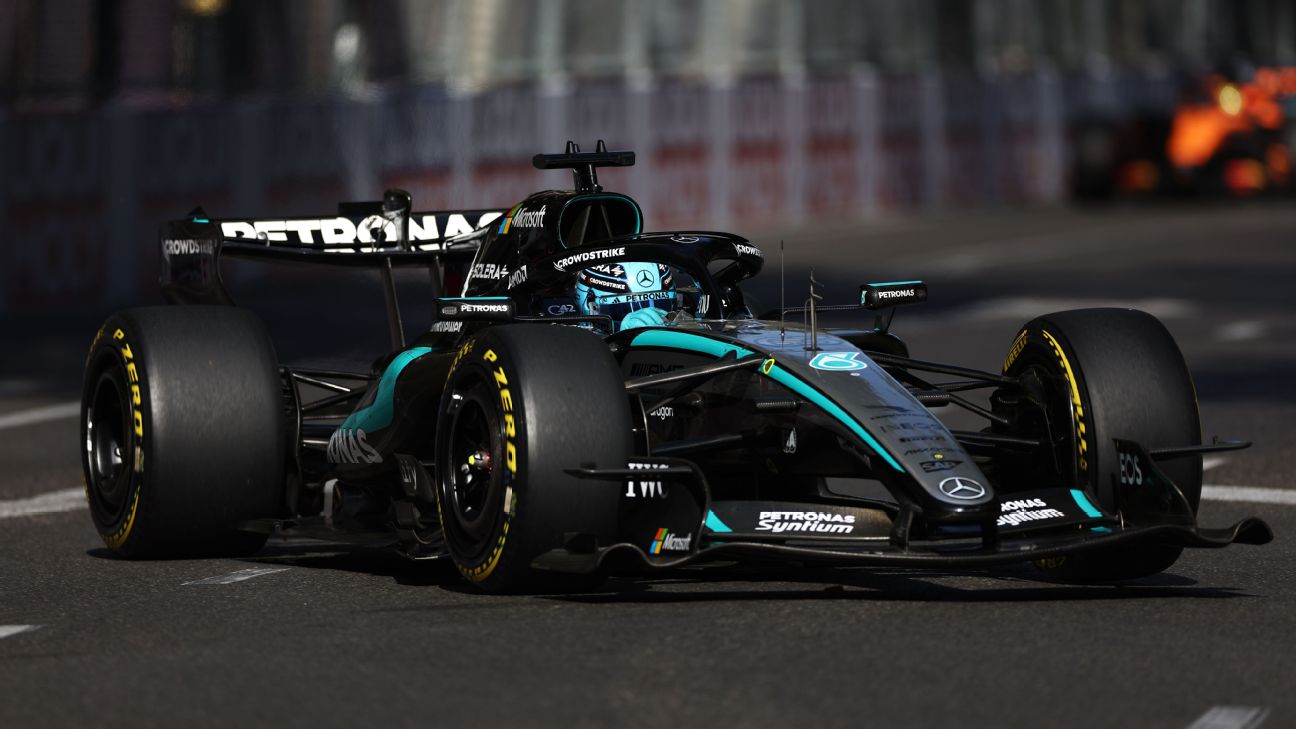
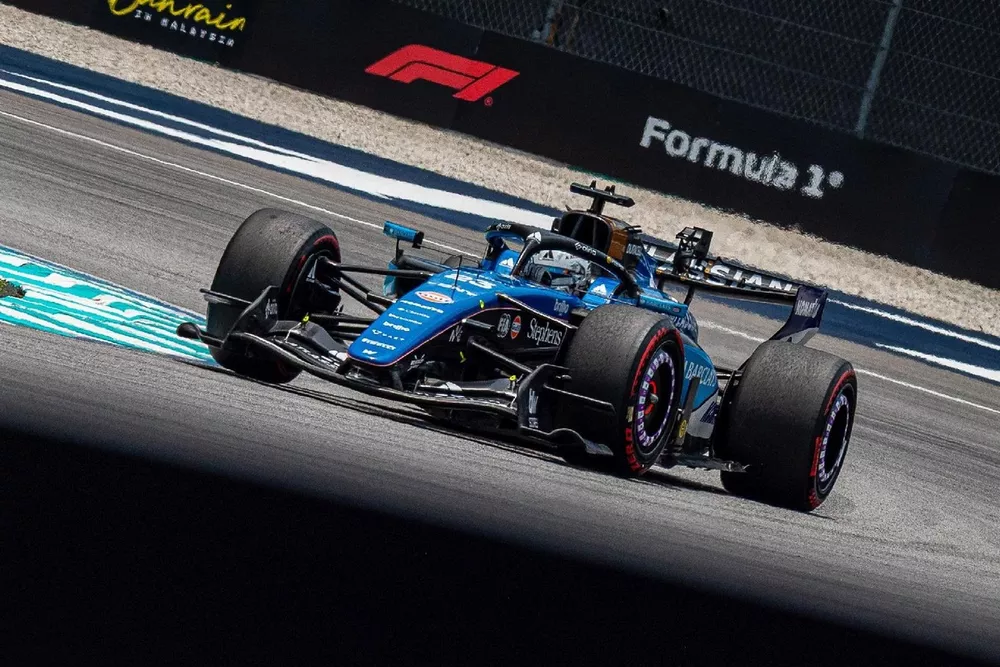
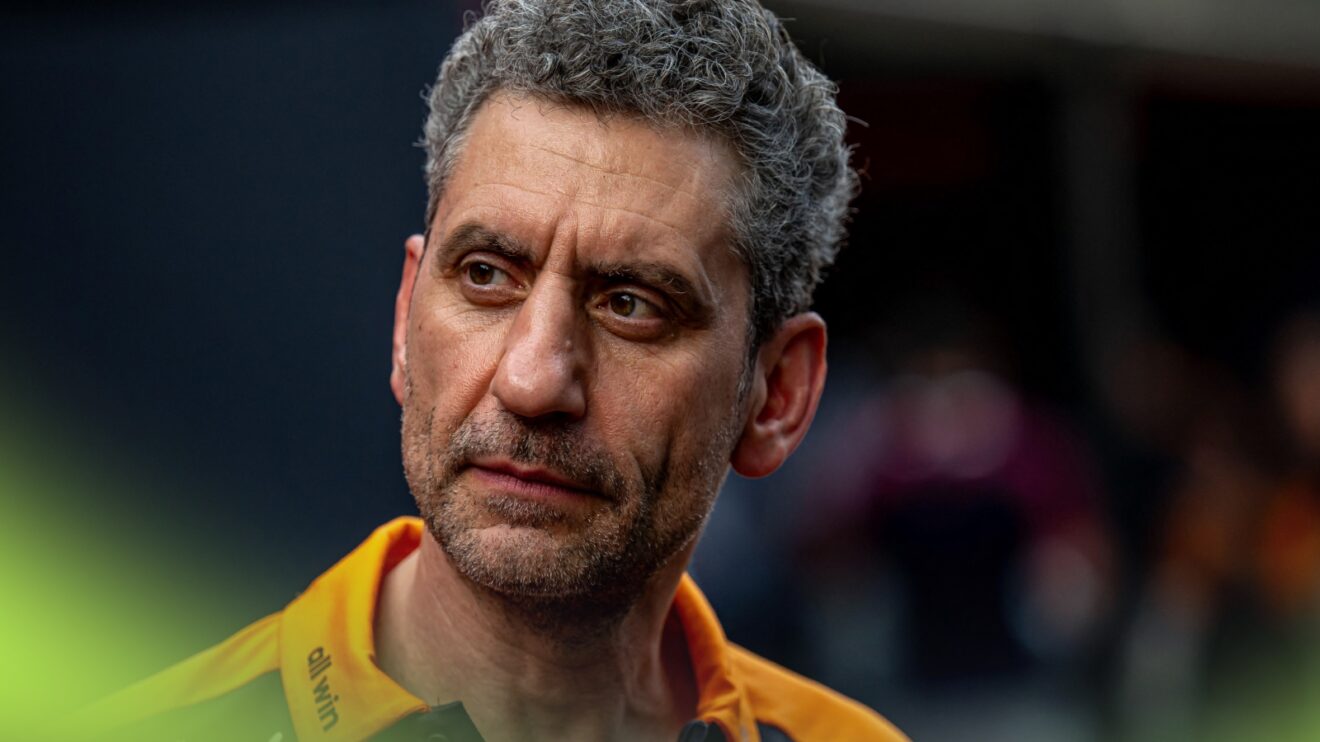
The Malaysian Grand Prix was marred by significant technical failures during the formation lap, sparking a heated debate over the stability of the new 2026 power unit regulations. While the driver paddock, led by reigning champion Lando Norris, expressed deep frustration over software glitches, McLaren Team Principal Andrea Stella has stepped forward to defend the sport's governing body and the complexity of the current era.
Why it matters:
As F1 navigates the first year of a massive technical overhaul, these reliability issues are more than just 'glitches'—they represent a potential crisis of confidence in the new power unit architecture. The tension between drivers demanding simplicity and management urging patience highlights the growing pains of an era defined by extreme electronic complexity, fueling calls for a return to more intuitive engine designs.
The Details:
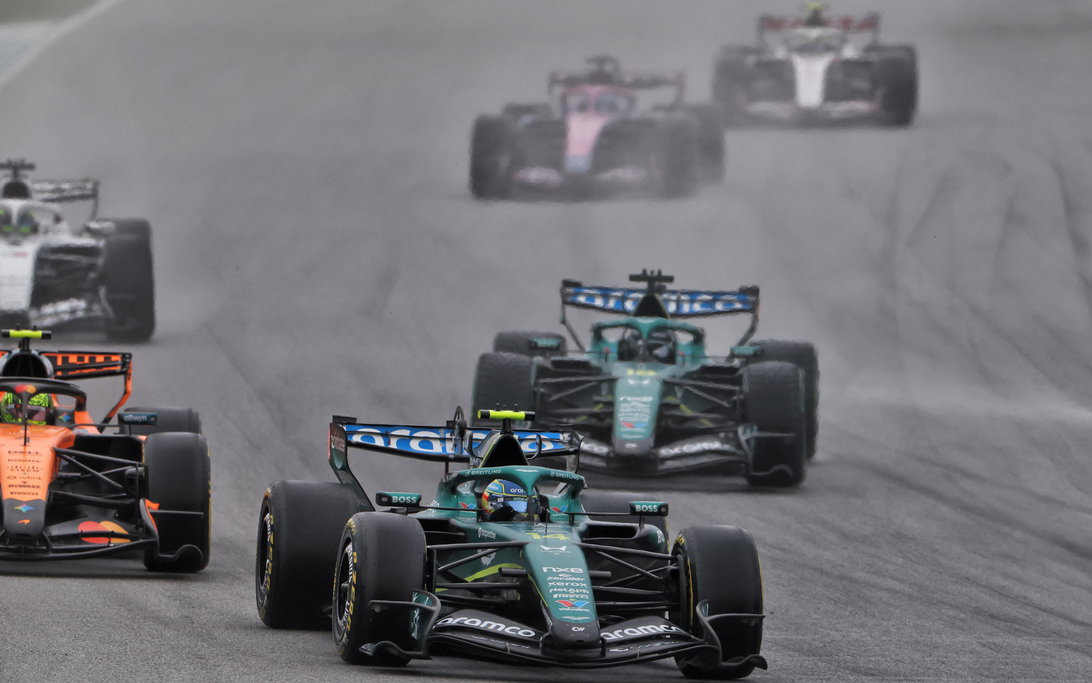
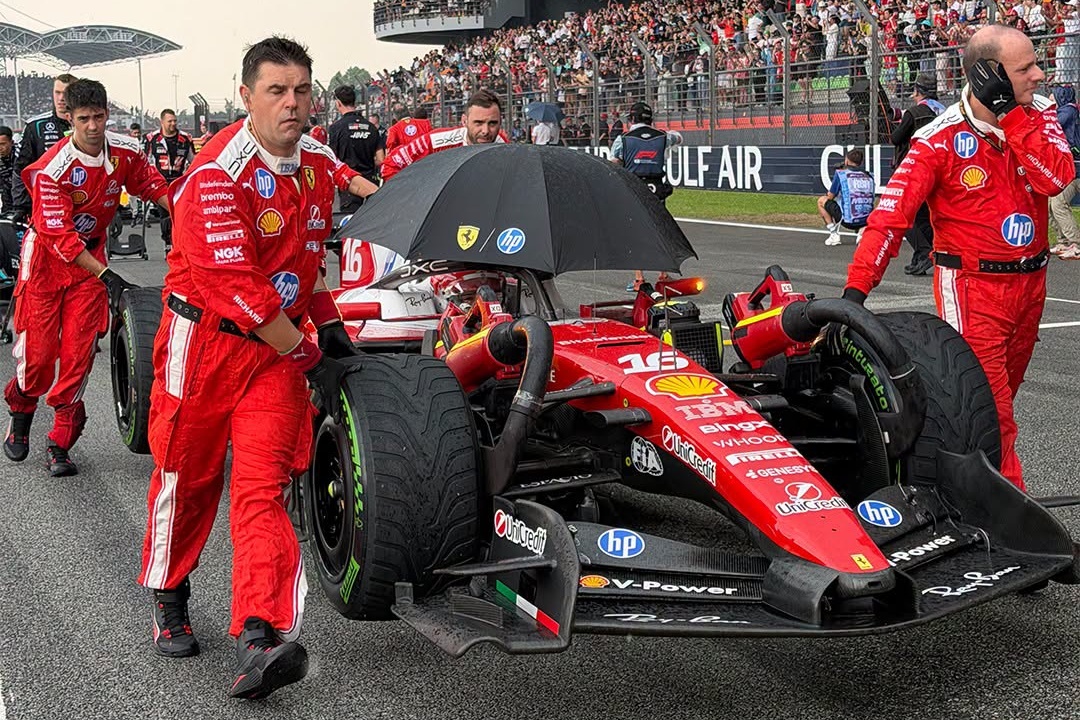
- Formation Lap Chaos: Heavy rain in Malaysia led to a 40-minute delay, but the real issue emerged when cars unexpectedly entered 'limp home' mode during the lap.
- Software Failures: The glitch, unforeseen by the FIA and manufacturers, mirrored the software exploits used by teams like Mercedes earlier this season to gain qualifying boosts.
- Driver Backlash: Lando Norris has been vocal in his criticism, arguing that F1 should entirely remove electronic self-learning systems to prevent such unpredictability.
- Recurring Issues: This incident adds to a growing list of frustrations this season, including 'super clipping' and 'yoyo racing,' which have disrupted the flow of several races.
The Big Picture:
Andrea Stella's stance is a calculated defense of the sport's trajectory. He argues that given the novelty of the 2026 regulations, occasional tuning is expected. Stella points out that teams themselves face technical failures every weekend, making it unfair to hold F1 to a standard of perfection during a transition year. However, this instability has already accelerated discussions about a return to simpler, lighter V8 power units by 2030 or 2031.
What's next:
The focus now shifts to the FIA and power unit manufacturers to iron out these software bugs before the season concludes. While Stella views these as minor hurdles, the unanimous frustration among the drivers suggests that if 'limp home' modes continue to dictate race starts, the pressure to abandon complex electronic systems will become irresistible.
Original Article :https://www.planetf1.com/news/mclaren-andrea-stella-back-f1-power-unit-embarrass...