




Software Glitch at Sepang Sparks Debate Over F1's Over-Automation
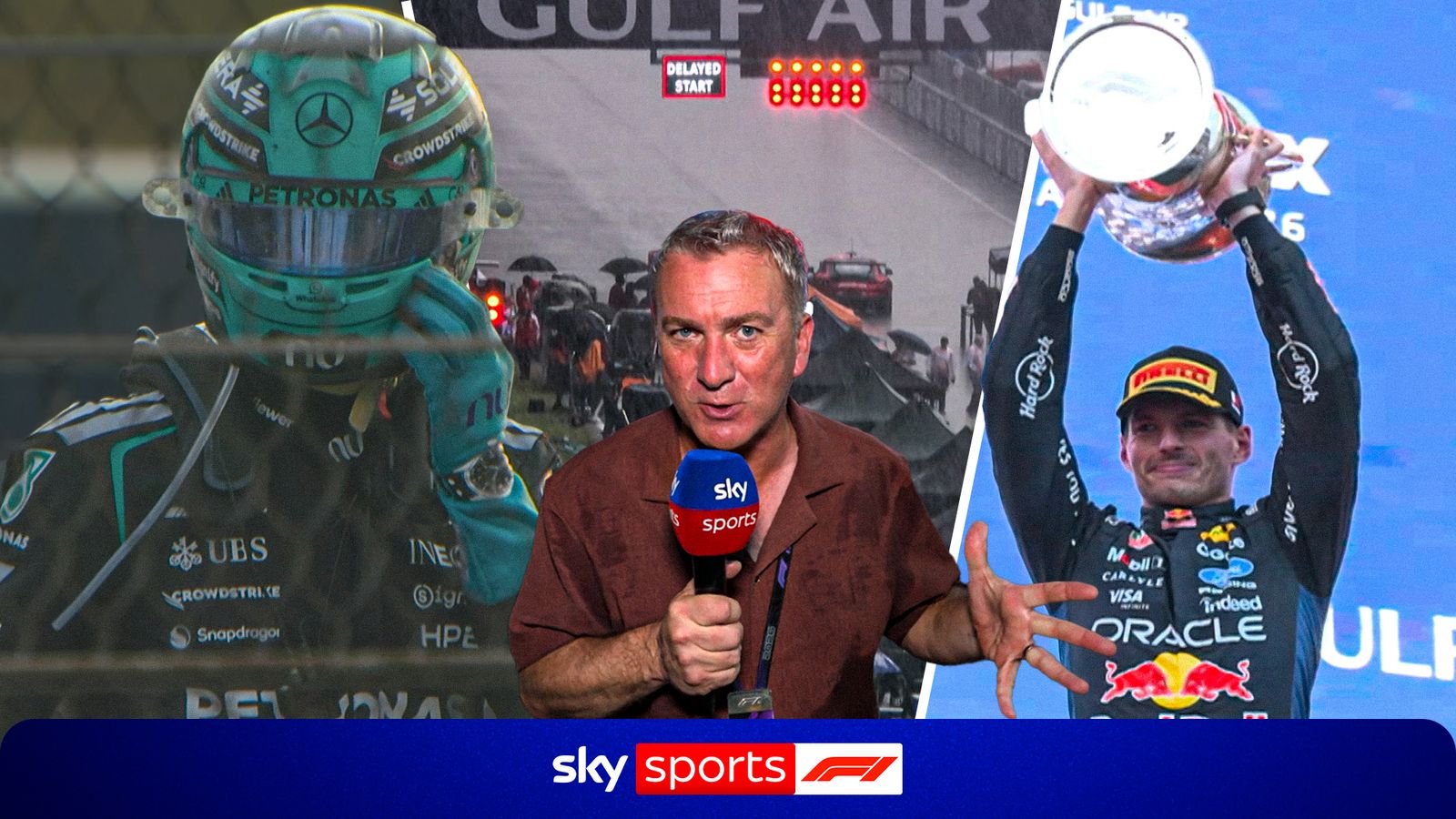
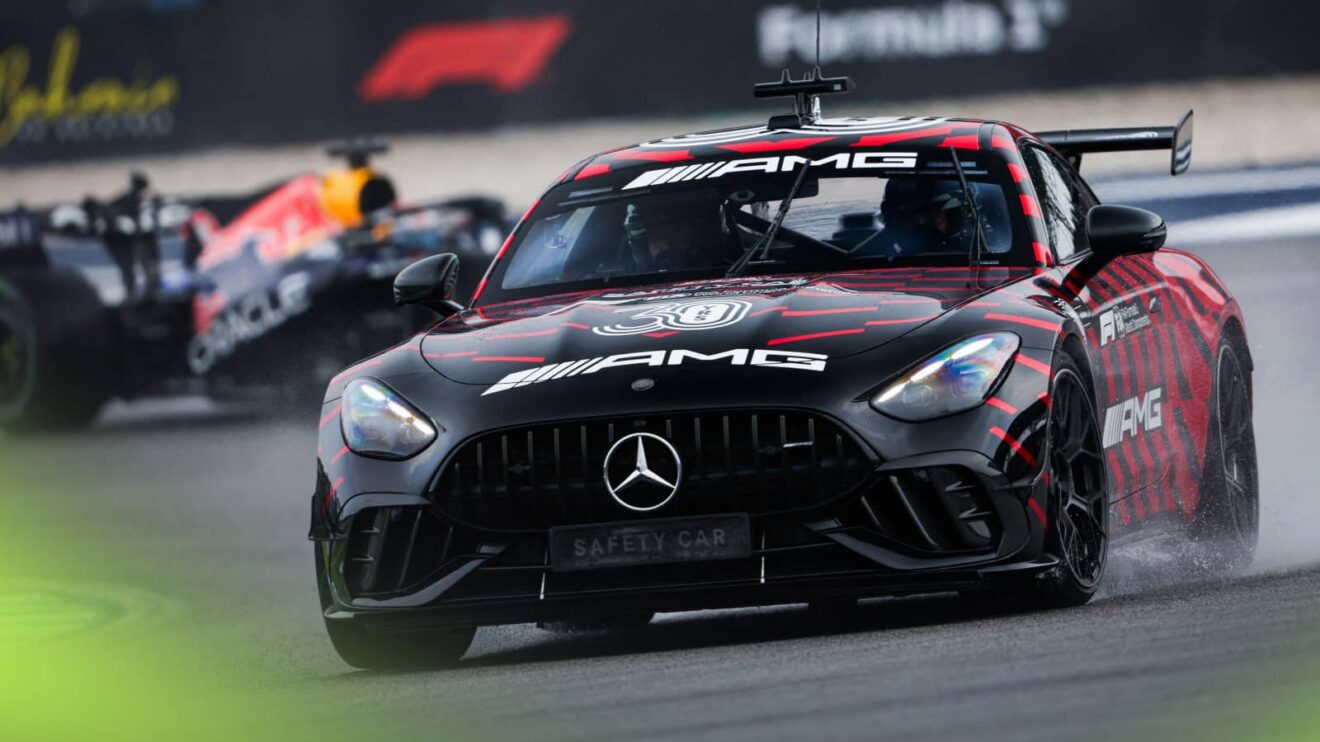
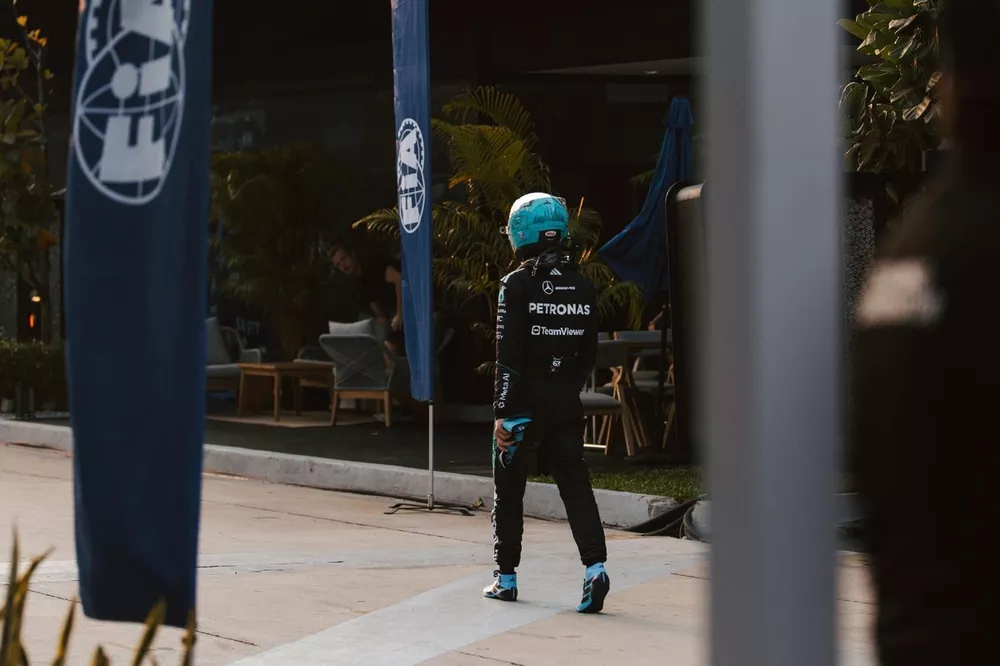
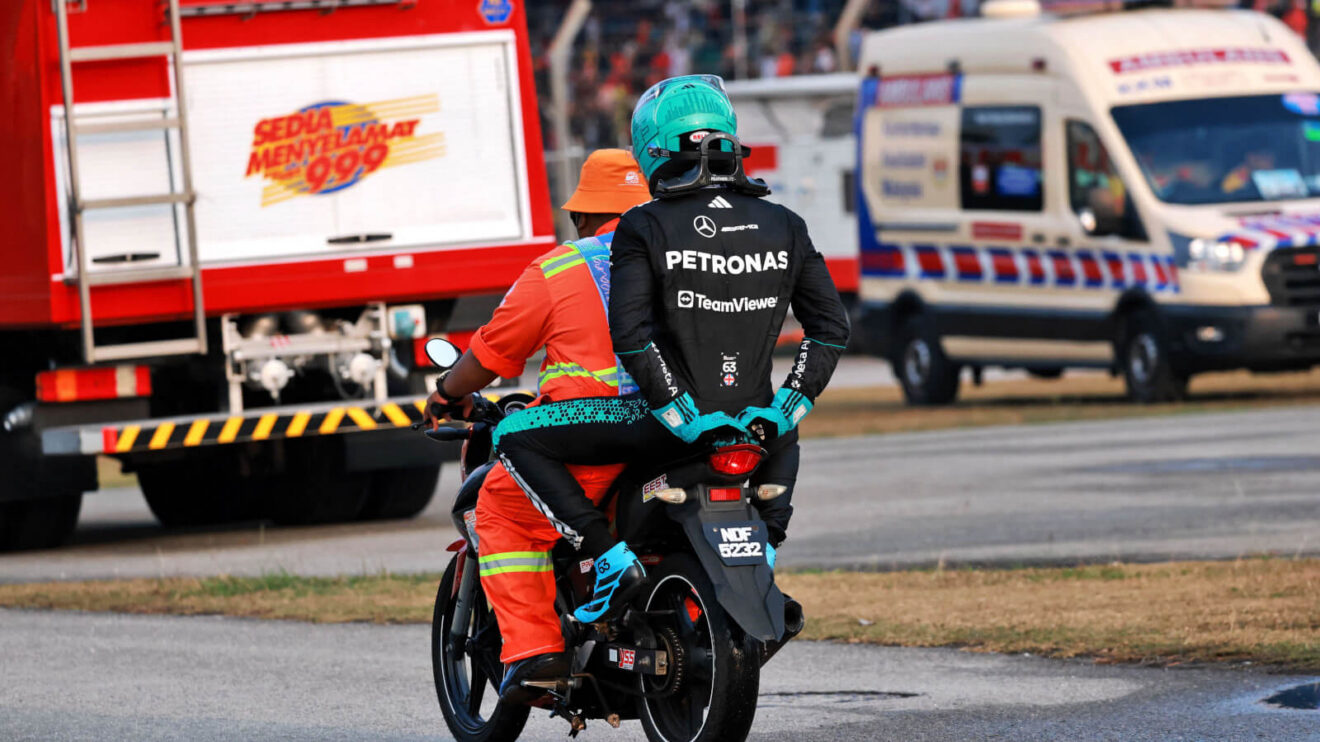
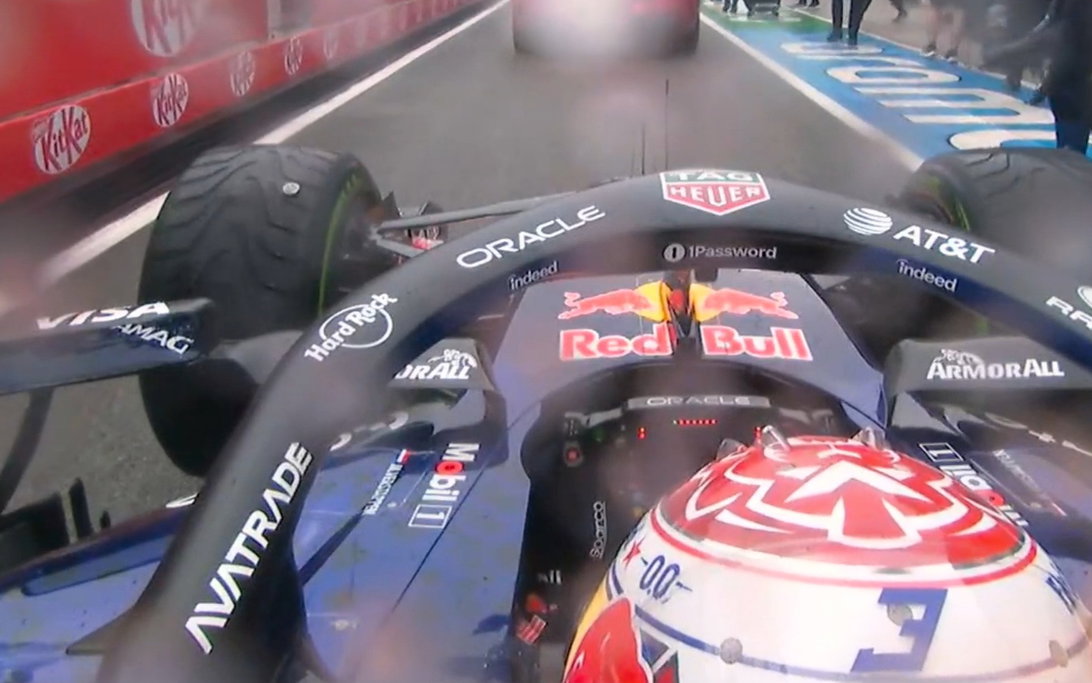
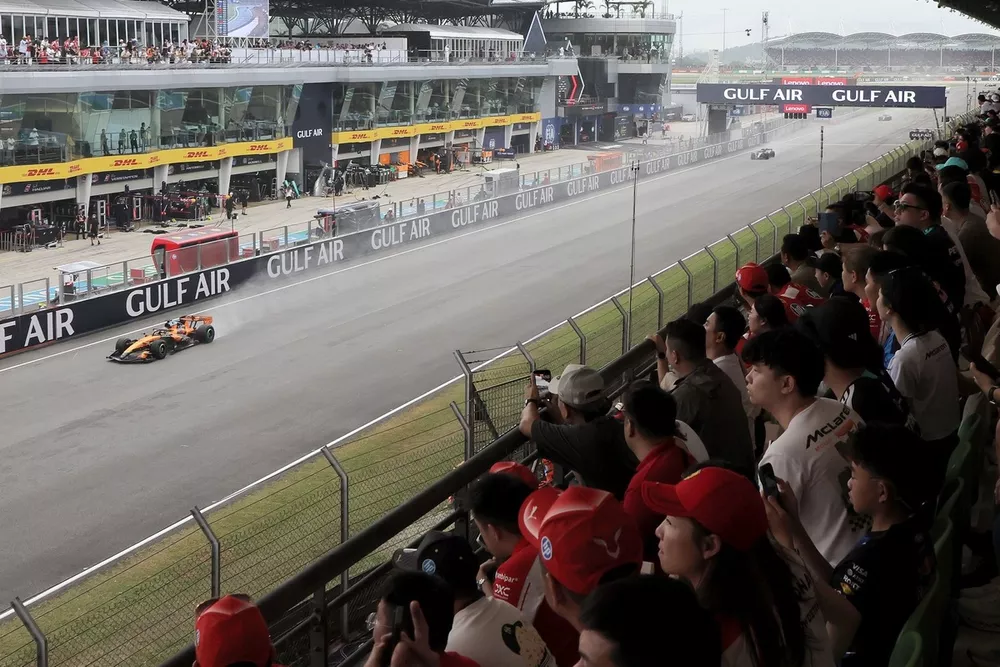
A severe software glitch during the Bahrain Grand Prix in Malaysia turned a potential rain-soaked thriller into a technical embarrassment. The incident left the grid struggling with throttle control during the formation lap, forcing a red flag and leaving both drivers and fans frustrated by a lack of autonomy on the track.
Why it matters:
This incident exposes a growing tension between Formula 1's commercial boom and its sporting essence. As the series integrates more complex power unit software and remote interventions, the line between driver skill and algorithmic control is blurring, leading many to question if the 'gladiator' aspect of racing is being engineered out of the sport.
The details:
- Technical Failure: A software bug—developed jointly by the FIA and teams—interfered with the power units, effectively stripping drivers of precise throttle control during wet conditions.
- Driver Reactions: Oliver Bearman expressed shock that the FIA possesses the capability to remotely influence throttle pedals, describing the experience as "scary" and a sign of excessive intervention.
- Lost Opportunity: Alex Albon noted that the track was viable for wet-weather racing, but the technical failure deprived fans of a true test of driver skill in the rain.
- The Contrast: The event stood in stark contrast to the 2001 Malaysian GP, where rain-induced chaos amplified the skill of drivers like Michael Schumacher and Rubens Barrichello, rather than rendering them powerless.
The big picture:
While F1 is currently enjoying unprecedented global popularity—fueled by Netflix and mainstream cinema—a divide is widening between the new casual audience and the core 'petrolhead' fanbase. For the latter, the rise of "yo-yo racing" and computer-assisted overtakes suggests that the sport has moved too far toward automation, prioritizing OEM commercial interests over pure driving competition.
What's next:
The outcry from drivers like Max Verstappen suggests a potential push for simplified regulations. While removing computers entirely is unrealistic in 2026, there is a growing demand for a system where the driver remains the primary variable, ensuring that when the rain falls, the outcome is decided by the person in the cockpit, not a line of code.
Original Article :https://www.motorsport.com/f1/news/who-slept-worst-last-night-an-f1-fan/10862068...