










Singapore GP to Break Tradition with First-Ever Daylight Competitive Session
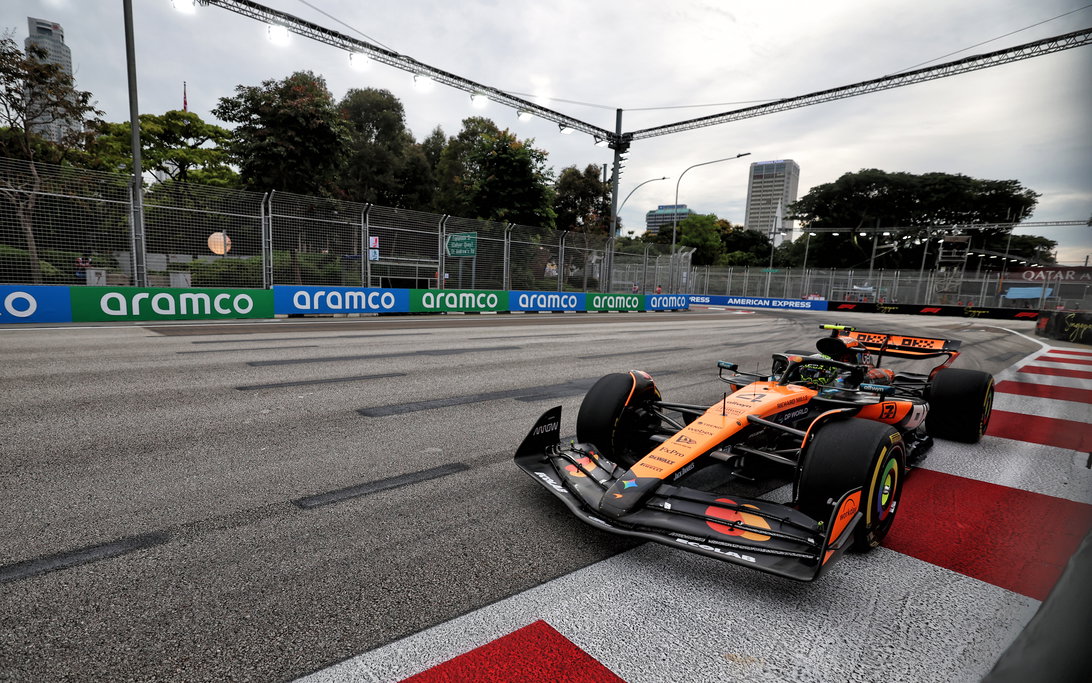
The Marina Bay street circuit, Formula 1's pioneer of night racing, is set to make history this weekend. For the first time since the event's debut in 2008, a competitive session—the Saturday Sprint—will be held in daylight rather than under the iconic floodlights.
Why it matters:
Singapore has been synonymous with night racing for nearly two decades. Introducing a daylight session isn't just a scheduling anomaly; it introduces a thermal variable that teams haven't had to navigate in a competitive environment at Marina Bay. While the main Grand Prix remains a night event, the shift to a 17:00 local start for the Sprint creates a unique technical challenge for engineers.
The details:
- Scheduling Logic: The daytime slot is a result of a mandatory four-hour buffer required between the Sprint start and the subsequent night qualifying session, combined with the need to fit support categories into the evening prime-time window.
- Thermal Dynamics: Unlike desert venues like Bahrain, where ambient air temperature drops sharply after sunset, Singapore's equatorial climate keeps air temperatures relatively stable.
- Surface Impact: The primary variable is the track surface. Direct sunlight increases asphalt temperature, which typically leads to different tire degradation patterns compared to the cooler, rubbered-in conditions of a night race.
- Driver Input: Lando Norris has noted that while visual markers will change, the consistency of Singapore's heat means the performance shift may be less drastic than at other circuits.
Between the lines:
Despite the perceived stability of the climate, teams are expected to approach the Sprint setup with caution. Running in daylight often means dealing with a "dirtier" track surface and higher peak temperatures, making the data gathered during the Sprint potentially misleading when compared to the optimal conditions of Sunday's main race.
What's next:
Engineers will be tasked with isolating how much of the Sprint performance is tied to the daylight heat versus actual car pace. The goal will be to ensure that the aggressive setup required for a short Sprint doesn't compromise the endurance and stability needed for the traditional night race on Sunday.
Original Article :https://racingnews365.com/why-f1-will-make-bizarre-singapore-grand-prix-history-...