


Should F1 Panic Over Its 2026 Cars? The Experts Weigh In
As Formula 1 prepares for its new-era debut in Australia, the 2026 cars and engine regulations are facing intense scrutiny and criticism from top drivers, with concerns over energy management threatening to overshadow the racing spectacle. While F1 CEO Stefano Domenicali dismisses the "panicking," experts are divided on whether the issues are fundamental flaws or early teething problems.
Why it matters:
The 2026 regulations represent a massive technical shift aimed at attracting new manufacturers and achieving sustainability goals, but they risk undermining the core product: wheel-to-wheel racing driven by the world's best drivers. If the cars force excessive energy conservation over flat-out competition, it could damage F1's hard-earned popularity surge and alienate fans expecting a gladiatorial contest.
The details:
- Driver Criticism is Vocal: Champion Max Verstappen has labeled the concept "anti-racing," Fernando Alonso joked about the car's ease, and Lewis Hamilton compared the pace unfavorably to older formulas, highlighting a significant disconnect between the rulemakers and the stars.
- The Root Cause is a Compromise: The 50/50 power split between the V6 engine and electrical energy, designed to lure Audi and retain Honda, created an inherent energy challenge. Removing the MGU-H (Motor Generator Unit-Heat) reduced harvesting capability, leading to cars that are often energy-starved.
- Qualifying and Racing Could Be Neutered: The primary fear is that drivers will spend laps "lift-and-coasting" to harvest energy instead of attacking the limit, turning qualifying into an efficiency test and races into managed processions focused on battery clipping.
- Albert Park is a Worst-Case Scenario: The Australian Grand Prix circuit offers few energy-harvesting opportunities, potentially exposing the regulations' flaws immediately and setting a negative tone for the season.
What's next:
Panic is not the answer, but dismissiveness could be equally damaging. The consensus among analysts is that F1 must allow a sample of races—at least four to six—on different track layouts to see how the competition and energy strategies truly play out.
- Tweaks, Not Overhauls: If problems persist, solutions likely involve recalibrating the energy deployment and harvesting numbers, which is technically simpler than a full regulatory rewrite.
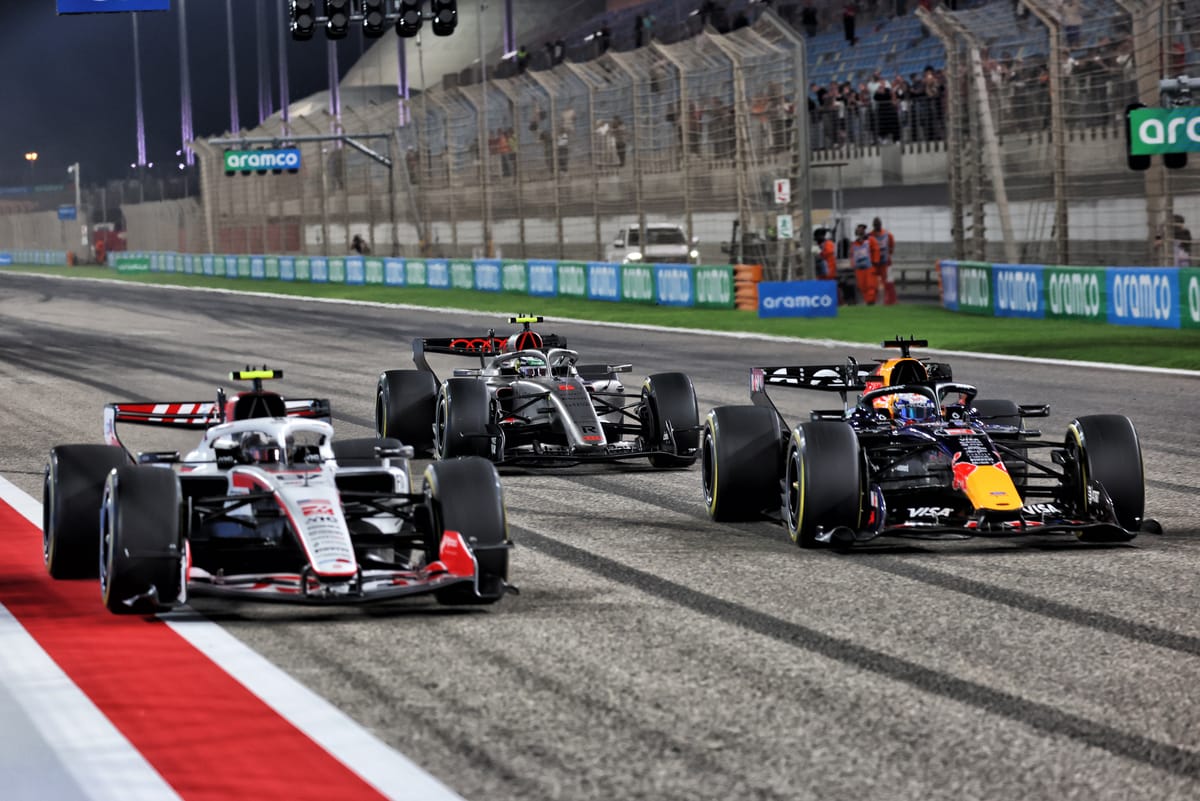
- The Need for a Classic Race: History shows a single thrilling race, like the iconic 2014 Bahrain GP did for the last major engine change, can quell early fears and allow fans to accept a new formula's quirks. F1 desperately needs a similar spectacle in the opening rounds of 2026.
- The Long-Term Question: The debate has intensified the discussion about F1's future direction, with some voices advocating for a return to simpler, driver-focused power units (like V8s with sustainable fuel) if the current hybrid path compromises the show too severely.
Original Article :https://www.the-race.com/formula-1/should-f1-be-panicking-about-its-2026-cars-ou...
