


![2026 Miami GP Sprint: [Driver Name] Triumphs in Action-Packed Shootout](https://e0.365dm.com/26/05/1600x900/skysports-f1-sprint_7237379.jpg?20260502175440)

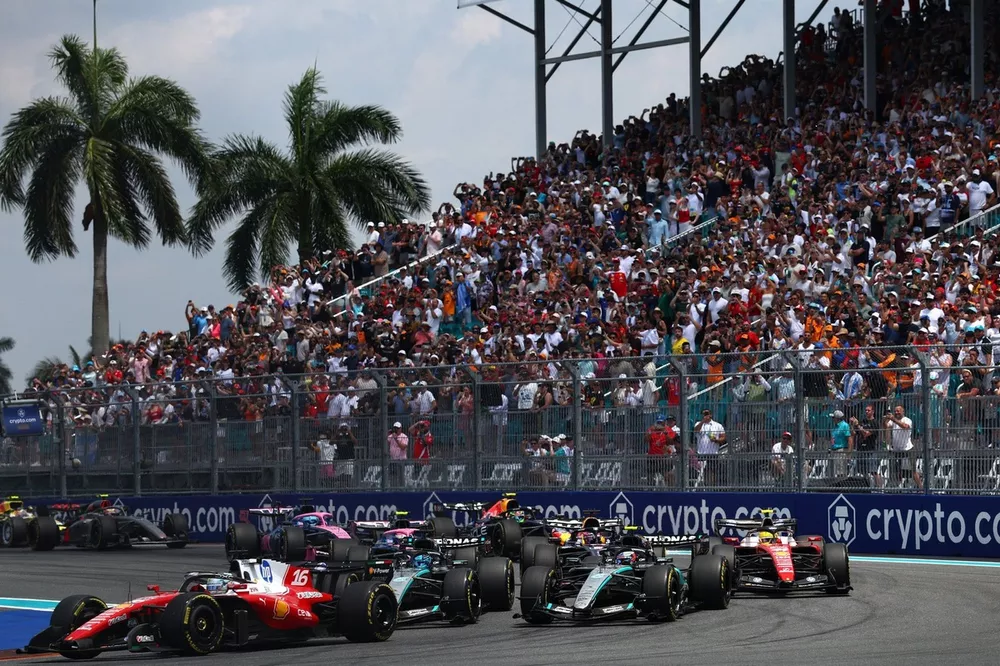

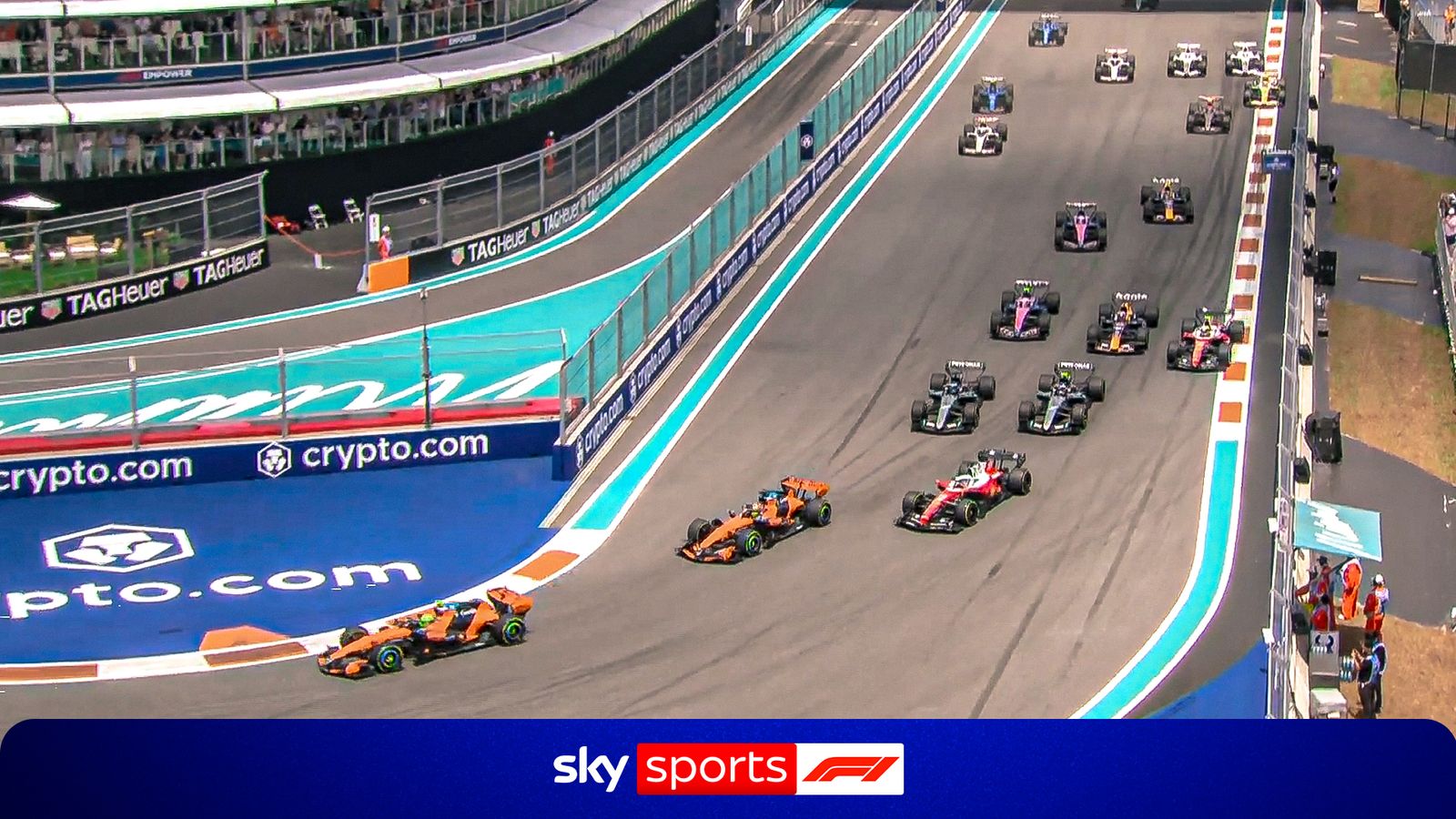
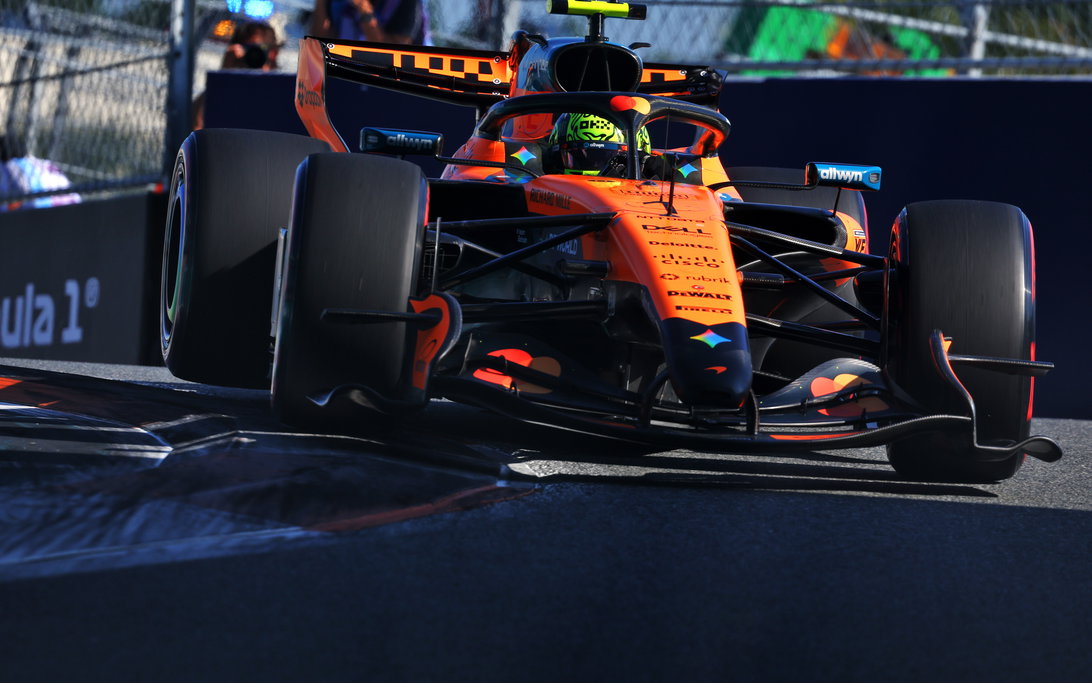
Shanghai Speed Trap Reveals Surprising Pace Picture
The Shanghai speed trap data reveals a paradox: the fastest cars in a straight line are not the ones starting at the front. While Audi-powered Gabriel Bortoleto topped the charts, the championship contenders have opted for higher downforce setups, sacrificing top speed for crucial tire performance in the circuit's demanding corners. This sets the stage for a strategic battle where outright pace may be less important than tire management.
Why it matters:
Shanghai's unique layout, featuring a massive 1.2km straight followed by a technical, front-tyre punishing first sector, forces teams into a critical compromise. The speed trap data provides a clear window into each team's chosen philosophy. It highlights that in modern F1, being the fastest car on the grid is a multi-variable equation where aerodynamic efficiency and tire preservation often trump pure engine power.
The details:
- Surprising leader: Gabriel Bortoleto, driving for Audi, recorded the highest top speed at 322.5 km/h, showcasing the potential of the German manufacturer's power unit.
- Mercedes power on display: Three of the top four maximum speeds were set by cars using Mercedes customer engines (Williams and Alpine), underscoring the strength of the Brixworth-built power unit.
- Front-runners' choice: Pole-sitter Kimi Antonelli, Lewis Hamilton, Charles Leclerc, and the McLarens of Oscar Piastri and Lando Norris all ranked in the bottom half of the speed trap. This indicates a deliberate choice to run more downforce to protect the front tires through the severe lateral loads of Sector 1's complex corners.
- The Ferrari variable: Despite Mercedes locking out the front row, Ferrari's race pace and turbo efficiency pose a consistent threat. However, Hamilton's front-left tire struggles in the Sprint race suggest tire wear could be the great equalizer in the Grand Prix.
What's next:
According to Pirelli, a one-stop strategy is the clear favorite for the race, with two primary options:
- The aggressive Soft-to-Hard switch between laps 15-21.
- The more measured Medium-to-Hard switch between laps 17-23. The major unknown is the durability of the C4 Soft compound under full race fuel loads, which has not been tested beyond nine laps. If a two-stop becomes necessary, it will likely involve starting on Softs and completing two stints on the Hards—provided teams have saved the required tire sets. With the "fastest" cars starting mid-grid, Sunday's winner will likely be the driver and team that best manages the delicate balance between aerodynamic load, mechanical grip, and tire degradation under the Shanghai sun.
Original Article :https://f1i.com/news/561143-shanghai-speed-trap-who-is-the-fastest-of-them-all-4...