






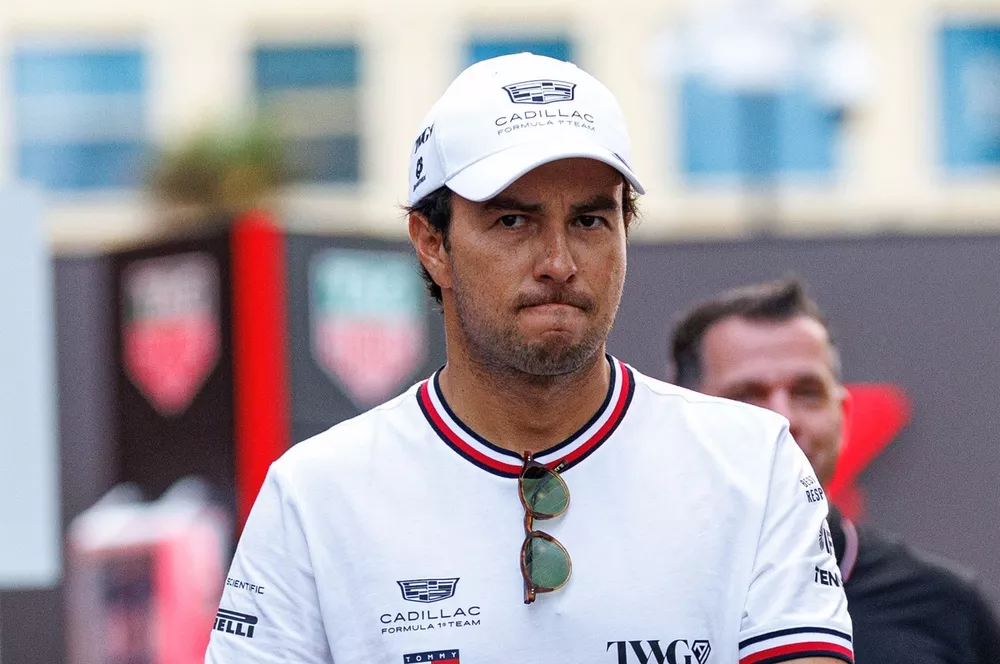
Sergio Perez Warns of Safety Risks Due to 2026 Power Unit Disparity
Sergio Perez has sounded the alarm over the safety implications of the 2026 machinery, fearing a major accident is inevitable due to the stark speed differentials between cars. The Cadillac driver revealed a narrow escape during the Azerbaijan Grand Prix, highlighting a systemic issue with energy deployment that persists despite early-season interventions.
Why it matters:
The shift to the new power unit regulations—featuring a high reliance on electrical energy—has introduced unpredictable performance gaps. When one car suffers a deployment drop while another is at full power, the resulting closing speed can be catastrophic, transforming standard racing maneuvers into high-risk collisions.
The Details:
- The Baku Incident: Perez nearly suffered a "massive shunt" while defending against Liam Lawson, attributing the danger to the extreme difference in engine deployment between their respective cars.
- Regulatory Context: The 2026 units utilize a 47% electrical energy split, which creates a substantial contrast in speed depending on how energy is managed and deployed.
- Precedent: These concerns were validated earlier this year when Oliver Bearman suffered a heavy crash in Japan after encountering a significantly slower Franco Colapinto.
- Competitive Gap: Perez specifically noted that Mercedes and Red Bull currently possess superior power units, further exacerbating the disparity for teams like Cadillac.
The Big Picture:
While the FIA attempted to mitigate "lift-and-coast" tactics with rule tweaks in April, the fundamental volatility of the 47% electrical split remains. The current environment has shifted the focus from pure driver skill to the unpredictability of energy management, creating dangerous speed variances that the current regulations cannot fully contain.
What's next:
The sport is looking toward 2027 for a structural fix, with plans to drop the electrical power proportion from 47% to 42% to stabilize performance. In the immediate term, the grid heads to the Bahrain Grand Prix in Malaysia, where the high-speed corners of Sepang will further test the stability and safety of the 2026 cars.
Original Article :https://www.motorsport.com/f1/news/i-fear-something-bad-is-going-to-happen-soon-...