




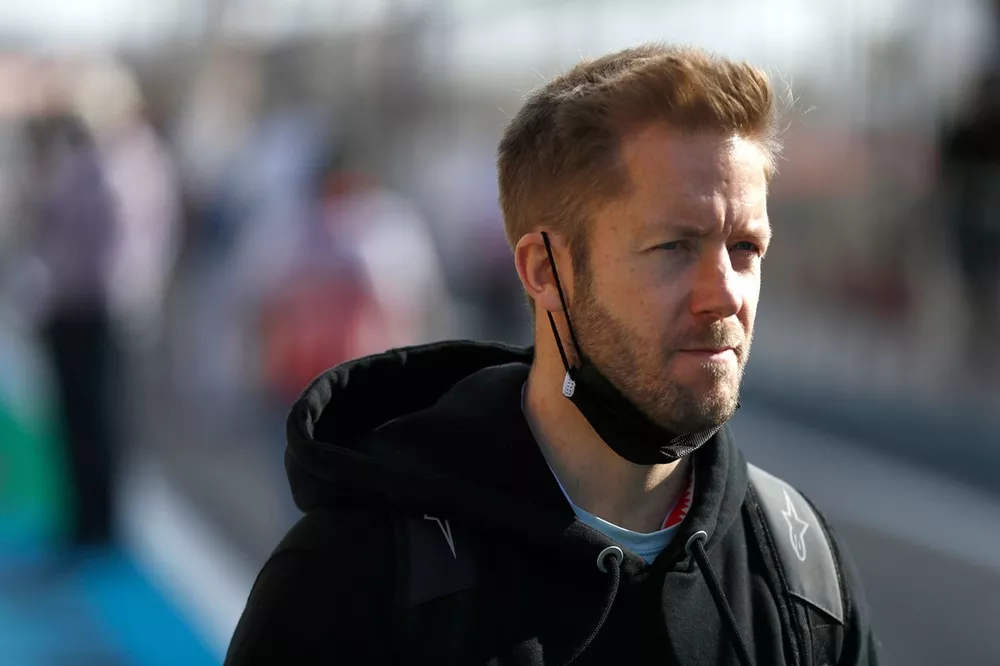
Sam Bird reveals the unseen workload of an F1 reserve driver
Former Mercedes reserve driver Sam Bird has detailed the demanding, simulation-heavy reality of a Formula 1 reserve driver's role, highlighting it as a critical behind-the-scenes job that directly influences race car performance. While often seen as a backup seat-warmer, the position involves extensive pre-and-post-event simulator work, test driving, and significant PR duties to support the main team.
Why it matters:
The reserve driver is a vital but often overlooked component of an F1 team's technical and operational backbone. Their work in the simulator provides essential data for car setup and development, directly impacting the performance of the race drivers on track. Understanding this role sheds light on the depth of preparation and continuous effort required to compete at the highest level of motorsport.
The details:
- Simulation Core: The bulk of the work involves simulator sessions both before and after race events. Pre-event, the focus is on establishing a baseline setup for power distribution and energy recovery. Post-session, the work shifts to correlating simulator data with real-world track performance.
- Weekend Support: Reserve drivers may not attend every race. When at the track, they often run simulator sessions after practice to test specific setup changes—like spring rates, damper adjustments, or ride height—with the findings fed back to the race engineers for potential implementation.
- Testing Duties: Teams utilize FIA-mandated "fair testing" days with two-year-old cars, and end-of-season rookie test days, which often fall to the reserve driver to complete.
- The PR Role: When present at the circuit, a significant part of the job involves hospitality and PR work, including garage tours and engagements with sponsors, press, and team partners.
Looking ahead:
The role of the reserve driver continues to evolve, becoming more technically integrated and data-critical as simulator technology advances. For young drivers, it remains a crucial pathway to gain inside experience and prove their value to a top team, often serving as the final step before a potential race seat opportunity arises.
Original Article :https://www.motorsport.com/f1/news/sam-bird-reveals-what-formula-1-reserve-drive...