








Sainz warns of 'big crash' risk from F1's new Straight Mode system
Carlos Sainz has issued a stark warning that Formula 1's new Straight Mode (SM) active aerodynamics system is a dangerous "plaster" solution that will inevitably cause a major high-speed crash. The Ferrari driver argues that racing at over 340 km/h with minimal downforce in designated zones is an unacceptable risk at certain circuits.
Why it matters:
Driver safety warnings from a top competitor carry significant weight and often prompt regulatory review. Sainz's critique strikes at the core of F1's 2026 technical philosophy, which uses SM as a key tool for improving racing and managing energy. If his concerns are validated by other drivers or a near-miss, it could force the FIA to reconsider the implementation of these high-speed, low-downforce zones before a serious accident occurs.
The details:
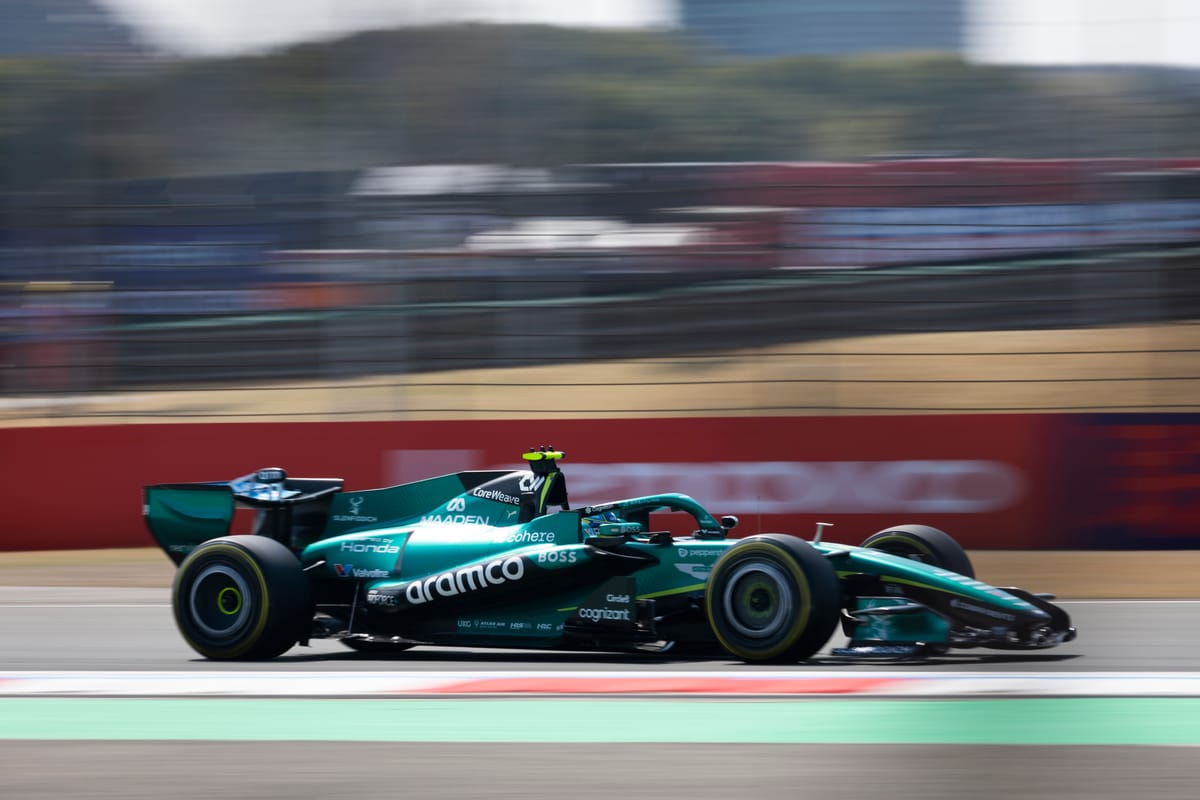
- The Straight Mode (SM) system, introduced for the 2024 season, automatically flattens the front and rear wings on straights to reduce drag and increase top speed, before returning to a high-downforce configuration for corners.
- Sainz's primary concern is tracks where the "straight" includes a slight bend or kink, such as the section between Turns 9 and 10 at Albert Park in Melbourne.
- He labels the system a "plaster on top of a plaster," suggesting it's a clumsy fix for the fundamental challenge of creating energy-efficient yet raceable cars and circuits.
- High-Speed Risk: Racing at approximately 340 km/h (211 mph) with "wings open" and critically low downforce leaves drivers with almost no margin for error or ability to correct a slide.
- Circuit Specifics: He notes the problem is not universal. True straights, like those in China, are fine, but circuits like the now-cancelled Jeddah circuit—with its flat-out sections featuring subtle direction changes—exemplify the danger.
Between the lines:
Sainz's comments highlight a potential unintended consequence of the sport's push for closer racing and sustainability. The SM system is designed to create more overtaking opportunities by reducing drag and increasing slipstream effects, but Sainz implies that this benefit comes with a severe safety trade-off. His warning suggests that in the pursuit of spectacle, the fundamental physics of car control at extreme speeds may have been compromised at specific track locations.
What's next:
The spotlight will now turn to other drivers and the FIA to see if this is an isolated concern or a widely shared apprehension.
- The FIA's safety department routinely reviews driver feedback and incident data. Sainz's public comments will likely trigger internal discussions about whether SM zone placements need to be adjusted.
- Further driver complaints or a significant incident in an SM zone could lead to rapid changes, such as the re-profiling of certain track sections or software tweaks to the system's activation points.
- This debate is set to continue as F1 visits more circuits, testing the SM system under a wider variety of conditions and potentially proving or disproving Sainz's dire prediction.
Original Article :https://racingnews365.com/carlos-sainz-issues-big-crash-warning-to-f1-over-plast...