



Sainz Warns F1's 'Straight Mode' Could Lead to High-Speed Disaster
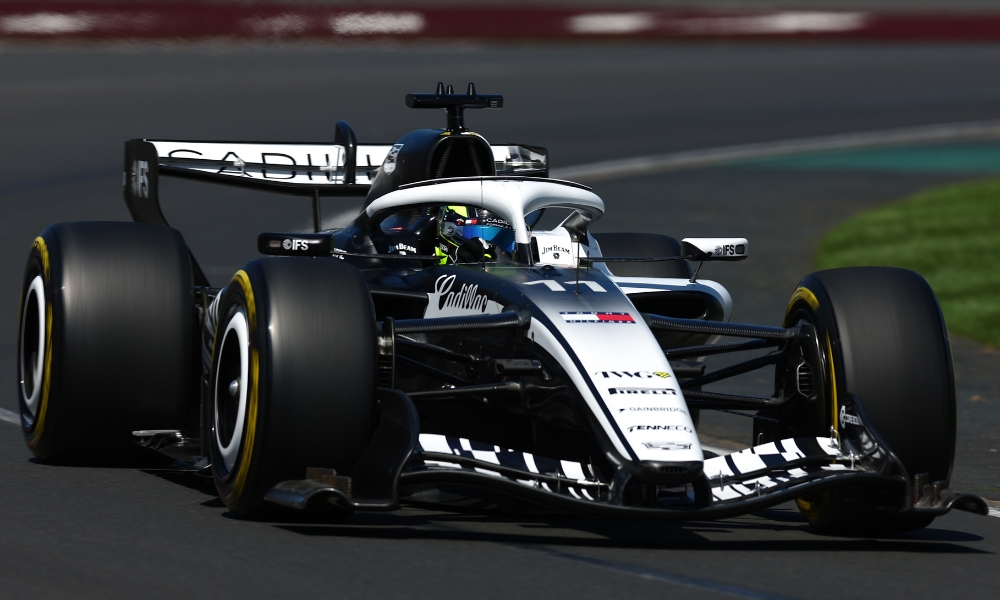
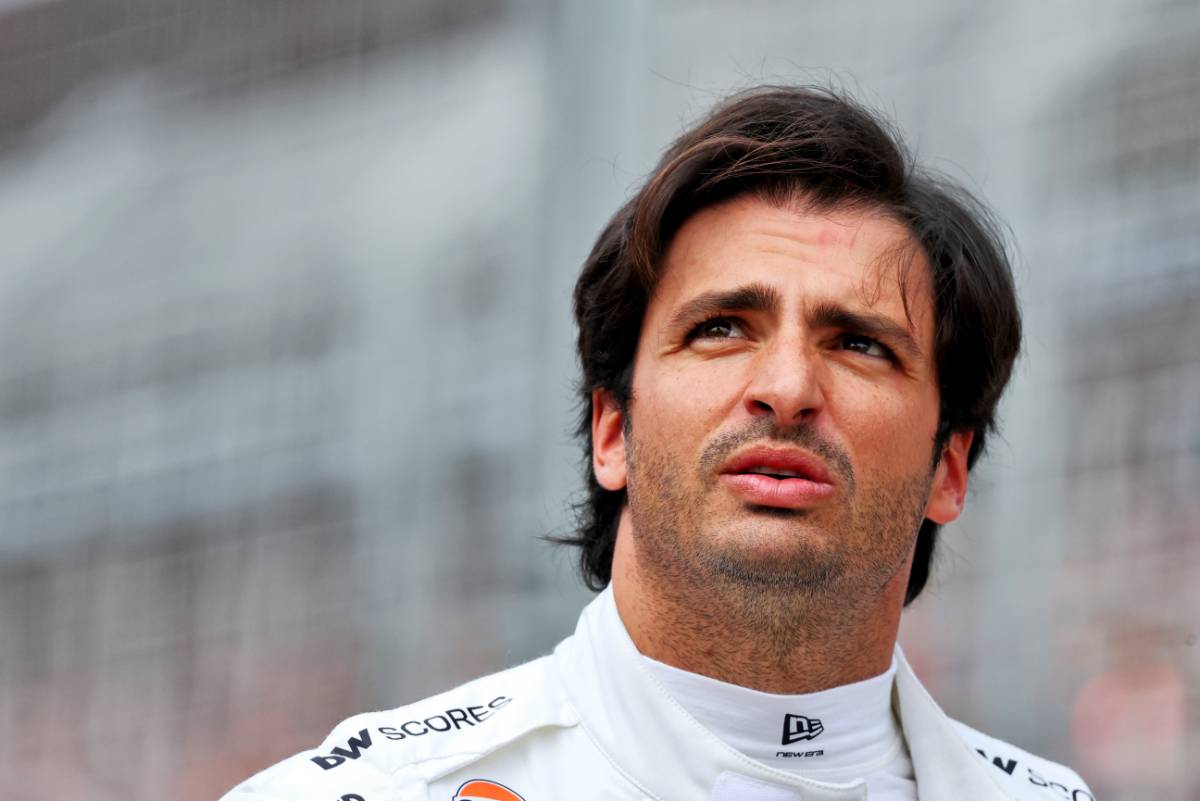
Carlos Sainz has issued a stark warning that Formula 1's new energy management rules, specifically the 'Straight Mode' (SM) active aerodynamics, are creating a dangerous and unpredictable high-speed environment that could lead to a major crash. The Williams driver, echoed by Racing Bulls' Liam Lawson, fears the inconsistent use of energy deployment and harvesting between teams is a recipe for disaster on circuits with fast kinks.
Why it matters:
Driver safety warnings in F1 are always taken seriously, but when multiple competitors voice identical concerns about a fundamental new technical feature, it signals a potential systemic flaw. The core issue—massive, unpredictable speed differentials at over 340 km/h with minimal downforce—strikes at the heart of racing safety. If not addressed, the very regulations designed to improve racing could inadvertently cause a catastrophic incident.
The Details:
- The 'Straight Mode' Problem: The 2026 rules introduce an active aerodynamics system where front and rear wings open on straights to reduce drag and save energy. Sainz calls this a "plaster on top of a plaster," a temporary fix for an overly energy-demanding car concept that forces drivers to race flat-out with virtually no downforce.
- High-Risk Circuits: Sainz specifically highlighted circuits like Jeddah and Melbourne, where high-speed straights feature slight bends or "kinks." In these sections, a car in SM has critically low downforce, leaving a driver with almost no margin for error or ability to react to another car.
- Unpredictable Speed Deltas: Liam Lawson detailed the operational danger. Teams and power units currently make independent, real-time decisions on when to harvest (charge) or deploy energy. This creates sudden and inconsistent speed differences between cars—one moment a driver is gaining in a slipstream, the next the car ahead slows dramatically to harvest energy.
- A Driver's Dilemma: Lawson summarized the helplessness this creates: "You can be having quite a good run on a car, and all of a sudden they start charging, and you're right behind them with SLM open. It's not a lot you can do to avoid them."
What's Next:
The ball is now firmly in the FIA's court. The governing body must evaluate the drivers' feedback and data from the initial races to determine if the current free-for-all approach to energy management is tenable. Potential solutions could involve standardizing certain deployment/harvesting protocols or geofencing zones where SM cannot be used on dangerous kinks. The urgency in the drivers' tone suggests this will be a priority discussion, as the sport cannot afford to wait for a "very big crash" to force a change.
Original Article :https://f1i.com/news/561646-why-sainz-is-racing-in-fear-of-a-very-big-crash-in-f...