


.webp)

Red Bull's History of Costly Driver Mistakes
Red Bull's era of on-track dominance has been paralleled by a history of chaotic and often costly driver management decisions. From rushing unprepared rookies into F1 seats to making swift U-turns on driver choices, the team's pattern of reactive judgment has frequently undermined its competitive position and created unnecessary instability.
Why it matters:
This history of mismanagement is more than just a list of bad calls; it highlights a recurring vulnerability within the team's structure. With Max Verstappen's long-term future a constant topic of speculation and the perpetual search for a competitive and stable teammate, Red Bull's past mistakes serve as a cautionary tale. These decisions have not only cost them valuable points and potential championships but have also damaged the reputation of what was once considered the gold standard of junior driver programs.
The details:
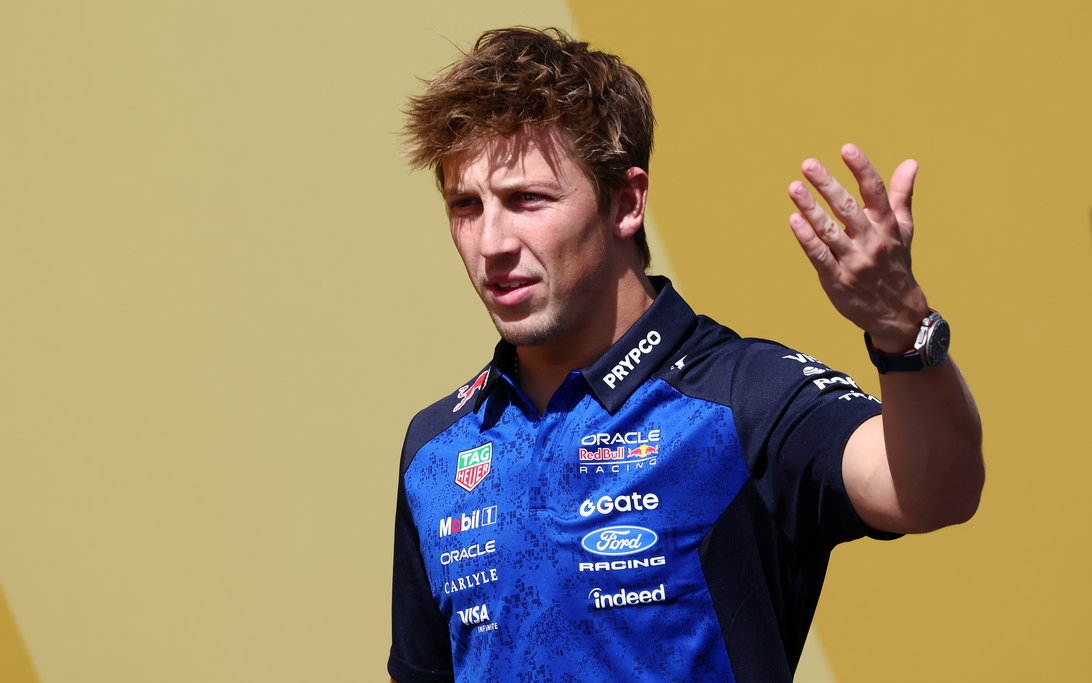
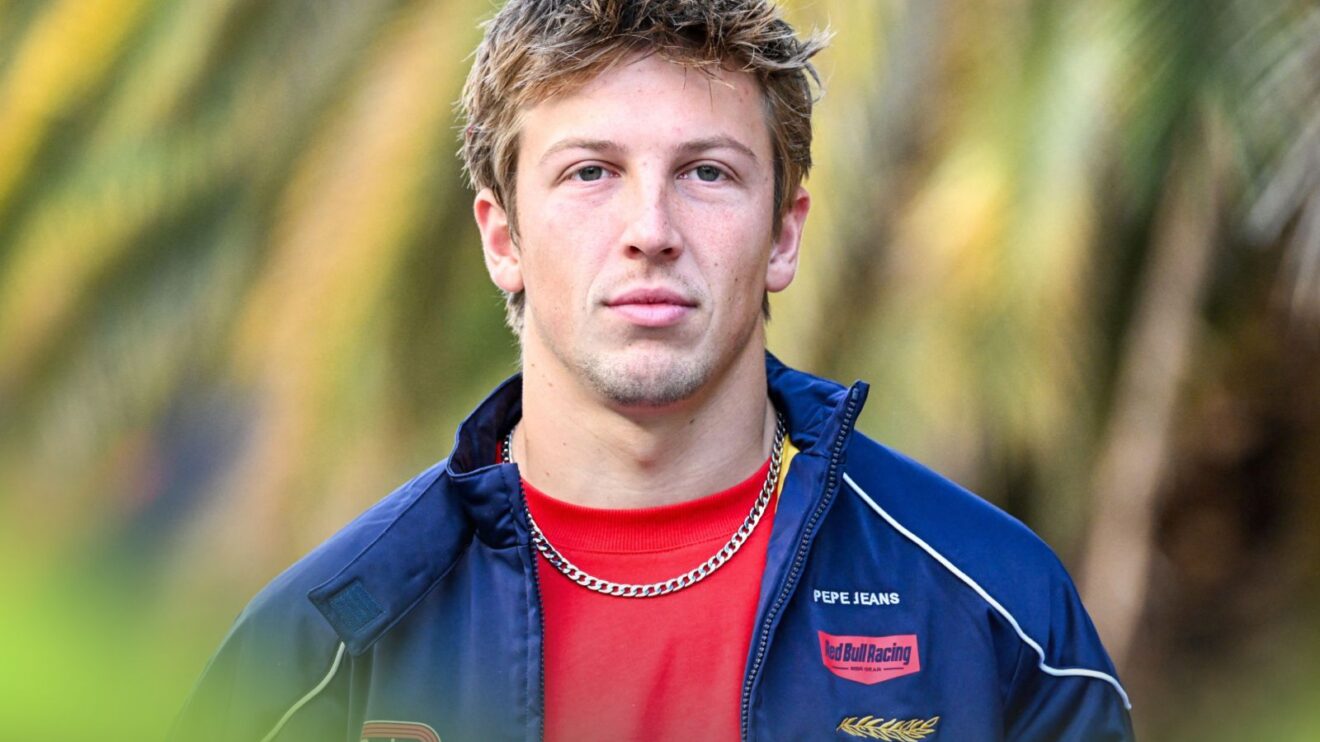
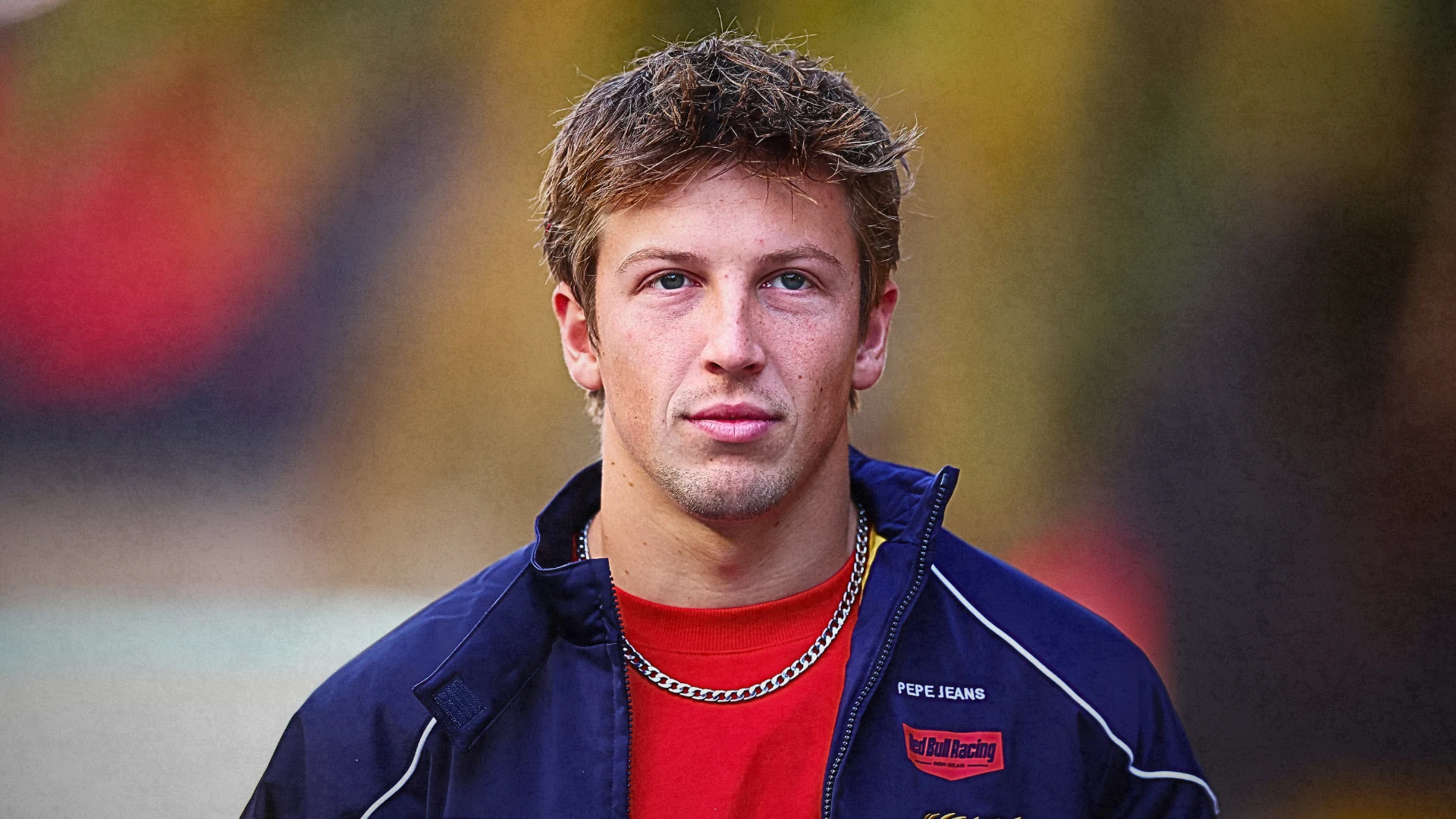
- The 2025 season saw the fastest demotion in team history, with Liam Lawson replaced by Yuki Tsunoda after just two races, raising serious questions about the team's initial evaluation and driver selection process.
- Pierre Gasly's hasty demotion in 2019 after just half a season established the 'Verstappen teammate destroyer' narrative, a decision that has aged poorly given Gasly's subsequent success with AlphaTauri and Alpine.
- The knee-jerk signing and swift abandonment of Nyck de Vries in 2023, based on a single impressive debut, was described by Helmut Marko as his "biggest mistake" and highlighted a lack of long-term planning.
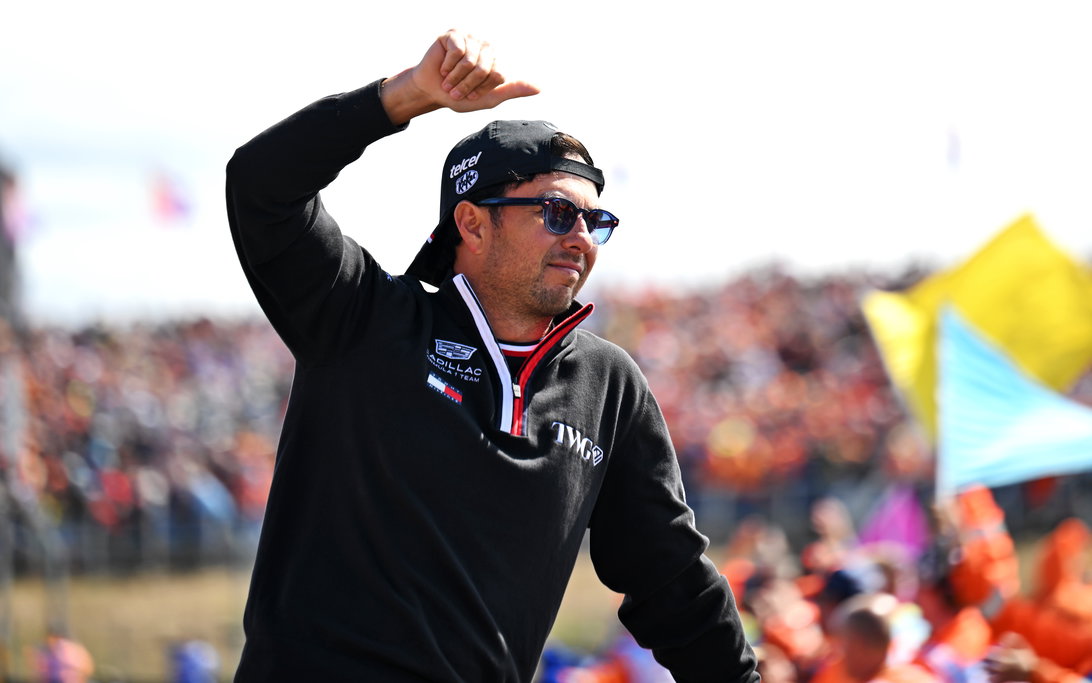
- The most significant error was arguably passing on Carlos Sainz for 2025. Red Bull prioritized internal harmony over signing a proven race winner, instead extending Sergio Perez's contract shortly before his performance plummeted, a move that cost them millions and left them scrambling for a solution.
Looking ahead:
As Red Bull looks towards 2026 and beyond, the shadow of these past decisions looms large. The team is still searching for a definitive answer to its second-seat problem, with young prospect Isack Hadjar in the frame. Whether the team has learned from its history of reactive management remains to be seen, but finding a stable, high-performing partner for Verstappen is crucial to sustaining its future success.
Original Article :https://www.the-race.com/formula-1/the-10-worst-f1-driver-decisions-red-bull-has...
