



Red Bull admits significant shortcomings after Chinese GP
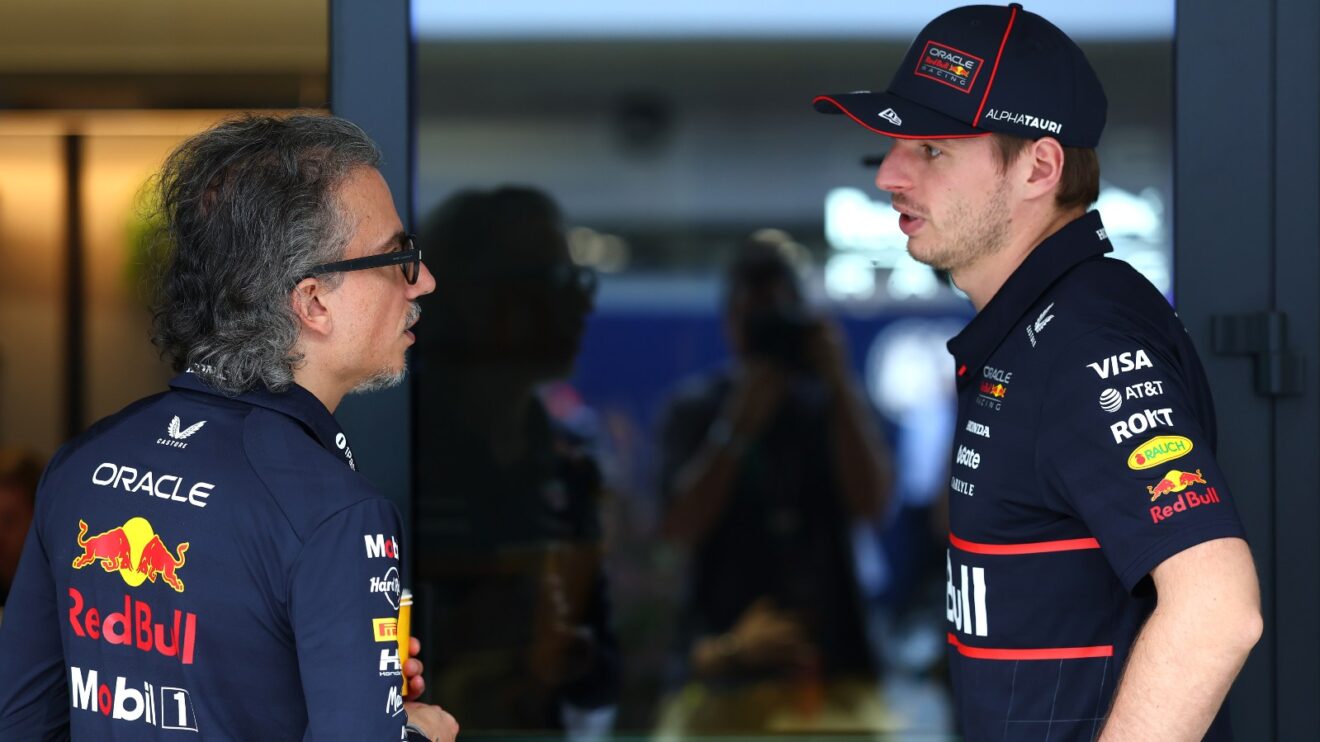
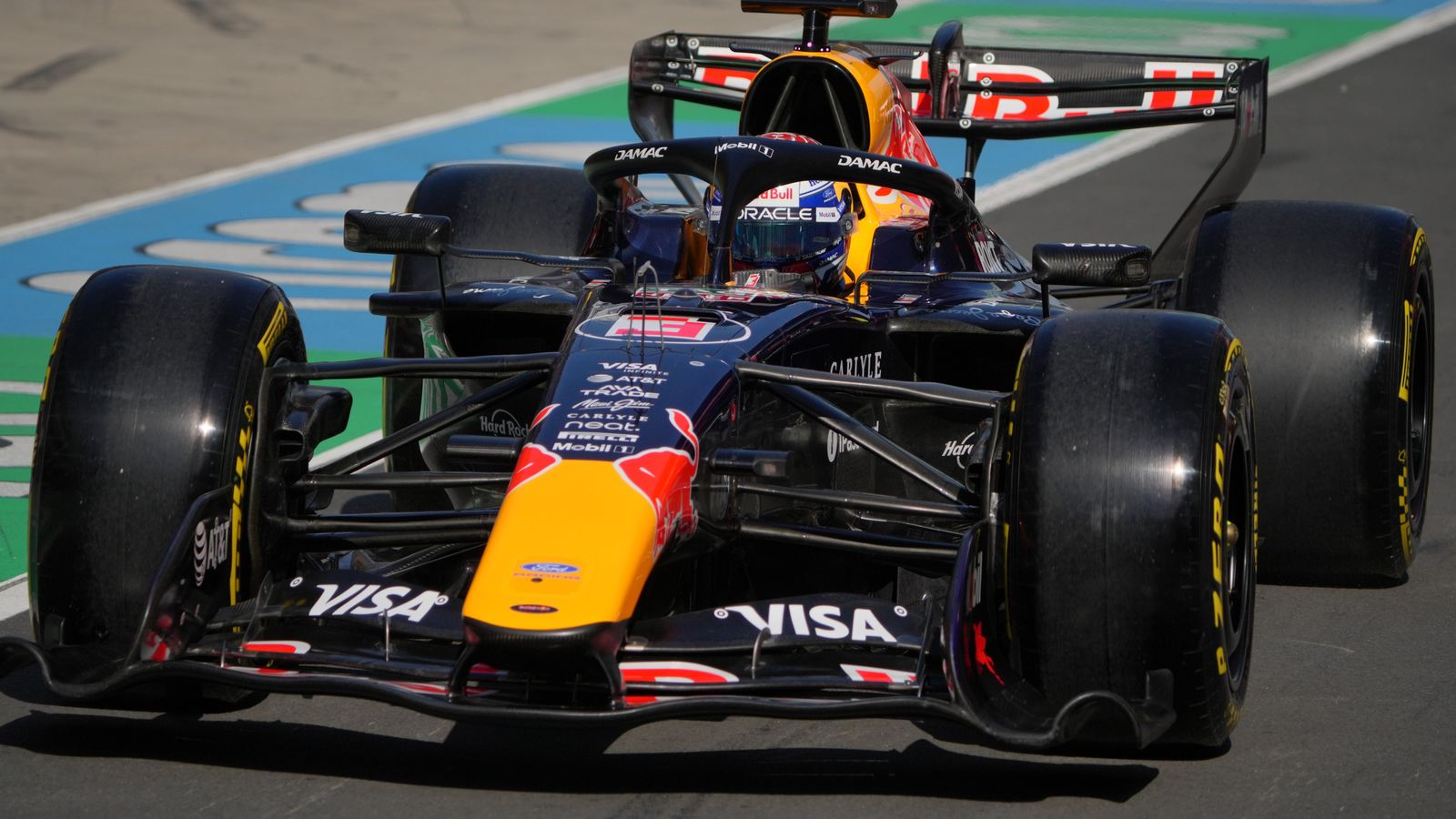
Red Bull’s first‑year 2026 power unit struggled at Shanghai, leaving the RB21 with a cooling‑system failure for Max Verstappen and a reliability hiccup for Isack Hadjar in Melbourne. The team scored just 12 points from the opening two rounds – the fewest since 2015 – and admitted the car has “significant shortcomings” in pace and handling.
Why it matters:
Red Bull has been the benchmark team since the start of the hybrid era, so any dip in performance instantly reshapes the championship landscape and gives rivals a chance to close the gap. Because the 2026 regulations also make Red Bull the sole engine supplier for several customer teams, a reliability problem threatens not just its own results but also the competitiveness of its partners. A weak start also puts pressure on the team’s confidence and sponsors ahead of a crucial season.
The details:
- Cooling‑system fault forced Verstappen’s retirement while he was running sixth in the Chinese Grand Prix.
- Hadjar’s Australian race ended early due to a power‑unit failure, wiping out a potential podium.
- Verstappen called the RB21 “incredibly tough to drive”, highlighting severe tyre‑graining and unpredictable balance.
- Lap‑time analysis shows the car was roughly half a second slower than its main rivals on average.
- The 12‑point haul after two races is the lowest total the team has recorded in a decade.
What's next:
The cancellation of the Bahrain and Saudi Arabian rounds gives Red Bull a five‑week window before the Suzuka showdown. Team principal Laurent Mekies says the extra time will be spent on cooling upgrades, aerodynamic tweaks and tyre‑wear mitigation. Engineers are targeting a “big step” in Japan, hoping the RB21 will return to front‑row pace and restore the 2026 power‑unit’s reputation.
Original Article :https://www.skysports.com/f1/news/12433/13520844/red-bull-admit-to-significant-s...