




Pirelli Considers Mandatory Two-Stop Strategy for F1 in 2026
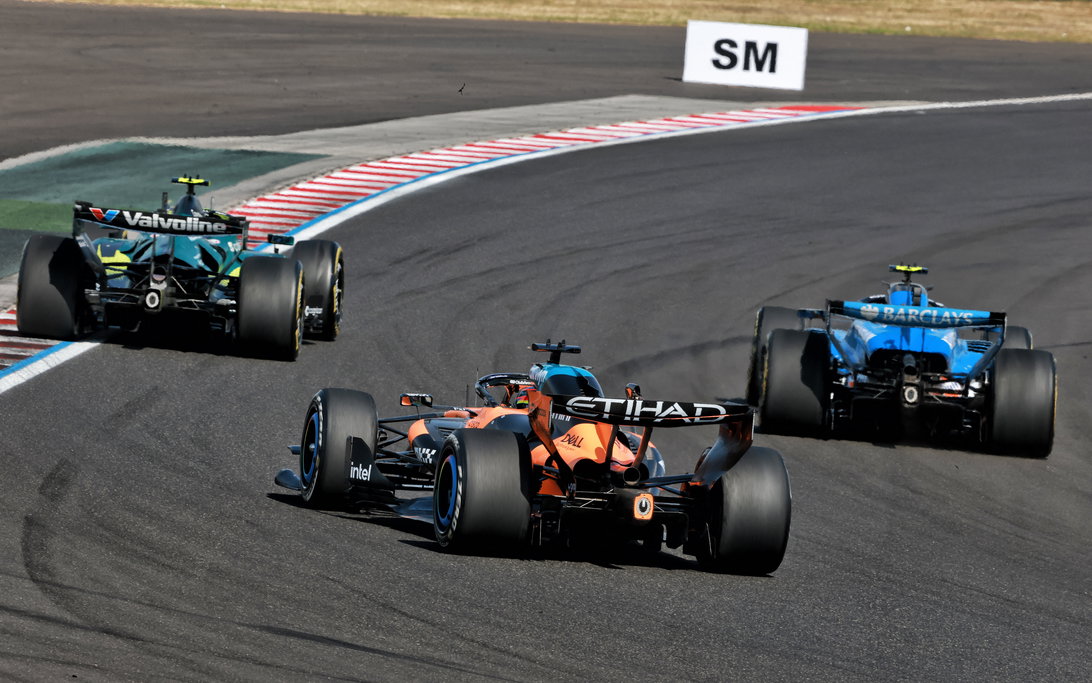
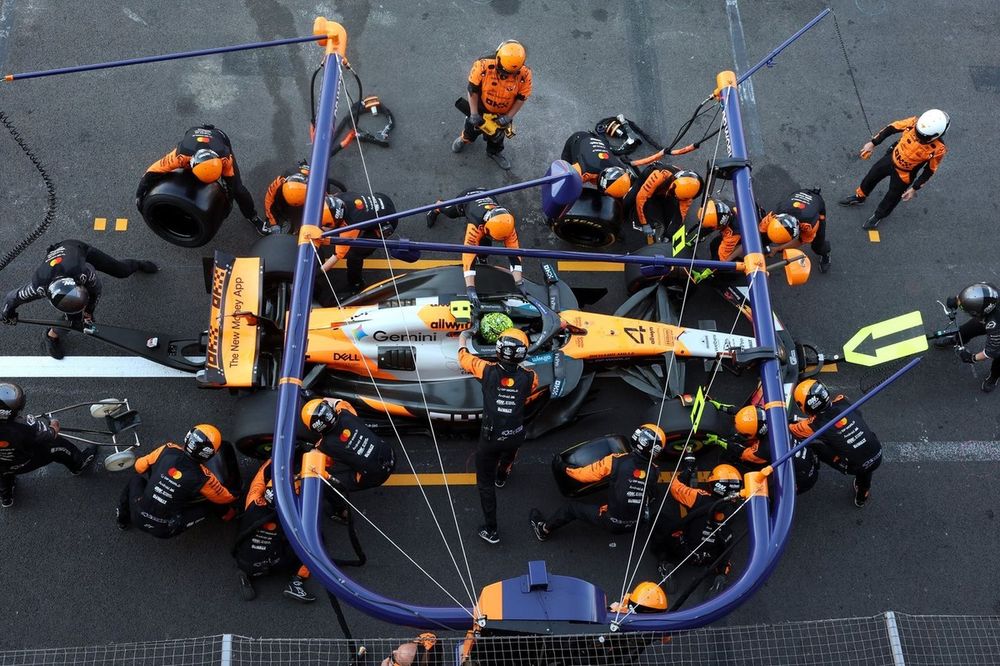
Formula 1 is grappling with a lack of strategic variety in many races, with the one-stop strategy becoming overwhelmingly dominant. This has led to discussions about mandating two pitstops per race for the 2026 season to enhance unpredictability and improve the 'show'. Pirelli, F1's sole tire supplier, is open to exploring this regulatory change.
Why it matters:
F1 races have increasingly become predictable, often boiling down to a race to the first corner, followed by a conservative one-stop strategy. This diminishes the excitement and strategic depth for viewers and fans. Introducing mandatory two-stops could inject more variables, creating more dynamic racing and overtakes, and potentially leading to more varied race outcomes beyond just tire management.
The Details:
- One-Stop Dominance: Recent F1 races, including the last five winners, have predominantly been decided by a single pitstop. Drivers like George Russell have noted that current Pirelli tires, while more robust, lead to less degradation, reducing strategic options.
- Pirelli's Efforts: Pirelli has tried to encourage two-stop races by experimenting with softer compounds and skipping compounds in their allocations (e.g., C1, C3, C4 instead of consecutive compounds). However, teams consistently adapt by managing tires to still make a one-stop strategy work.
- Team Perspective: Pirelli's Motorsport Manager, Mario Isola, explains that teams prioritize minimizing pitstops to avoid errors, traffic, and lost time, irrespective of the 'show' aspect.
- Driver Input: Max Verstappen previously suggested mandating two stops in Baku, arguing it's better than having 'useless' tire compounds. This sentiment has been echoed in recent driver briefings.
- Regulatory Discussions: The topic gained momentum and was on the agenda for the FIA's Sporting Advisory Committee (SAC) and is expected to be discussed by the F1 Commission. Liberty Media and several teams are reportedly open to exploring options for next year.
- Simulation Challenges: Past simulations conducted with teams showed that even with diverse tire allocations, most teams converged on similar strategies, highlighting the difficulty in forcing strategic variety through compound choices alone.
Looking Ahead:
While a two-stop mandate could increase undercut opportunities, it doesn't automatically guarantee strategic diversity. Pirelli suggests that the ideal scenario involves a two-stop being advantageous, but still allowing a 'brave' single-stopper to contend, as seen in past Monza and Spa races.
- Compound Flexibility: One option being considered is a two-stop requirement without mandating the use of different compounds. This would allow teams to choose their tire compounds more freely for each stint (e.g., medium, medium, medium), potentially leading to more varied approaches based on starting position and race objective.
- 2026 Regulations: The 2026 season will introduce new car regulations aimed at reducing dirty air and allowing closer racing. It's an open question whether these changes might naturally lead to more varied strategies, making a mandatory two-stop rule premature.
- Cautious Approach: Isola stresses the need for all stakeholders (FIA, F1, teams) to work together on any regulation change to avoid unintended consequences, especially given the current positive state of the championship.
The discussions are ongoing, with all parties encouraged to maintain an open mind at this early stage as they consider how to best enhance the racing spectacle for the future.
Original Article :https://www.motorsport.com/f1/news/two-mandatory-pitstops-in-f1-pirelli-open-min...