





Perez warns of 'massive shunt' risk with F1's new start procedure
Red Bull driver Sergio Perez predicts a "massive shunt" is inevitable due to Formula 1's complex new race start procedure, citing the near-miss between Liam Lawson and Franco Colapinto in Australia as a warning sign. The 2026 power unit regulations, which remove the MGU-H and increase reliance on electrical energy, have made launches a high-stakes gamble where a misstep can lead to a stationary car amid accelerating traffic.
Why it matters:
Race starts are one of the most critical and dangerous moments in F1, and the new technical rules have significantly increased the risk of a high-speed, rear-impact collision. If drivers like Perez—a veteran of over 250 grands prix—are openly expressing safety concerns, it signals a fundamental issue that the FIA and teams must address before a serious accident occurs.
The details:
- The core problem is the new power unit's start procedure. Drivers must now rev their engines much higher for at least 10 seconds to spool up the turbo, a delicate balance. Getting it wrong can trigger anti-stall, leaving a car crawling off the line.
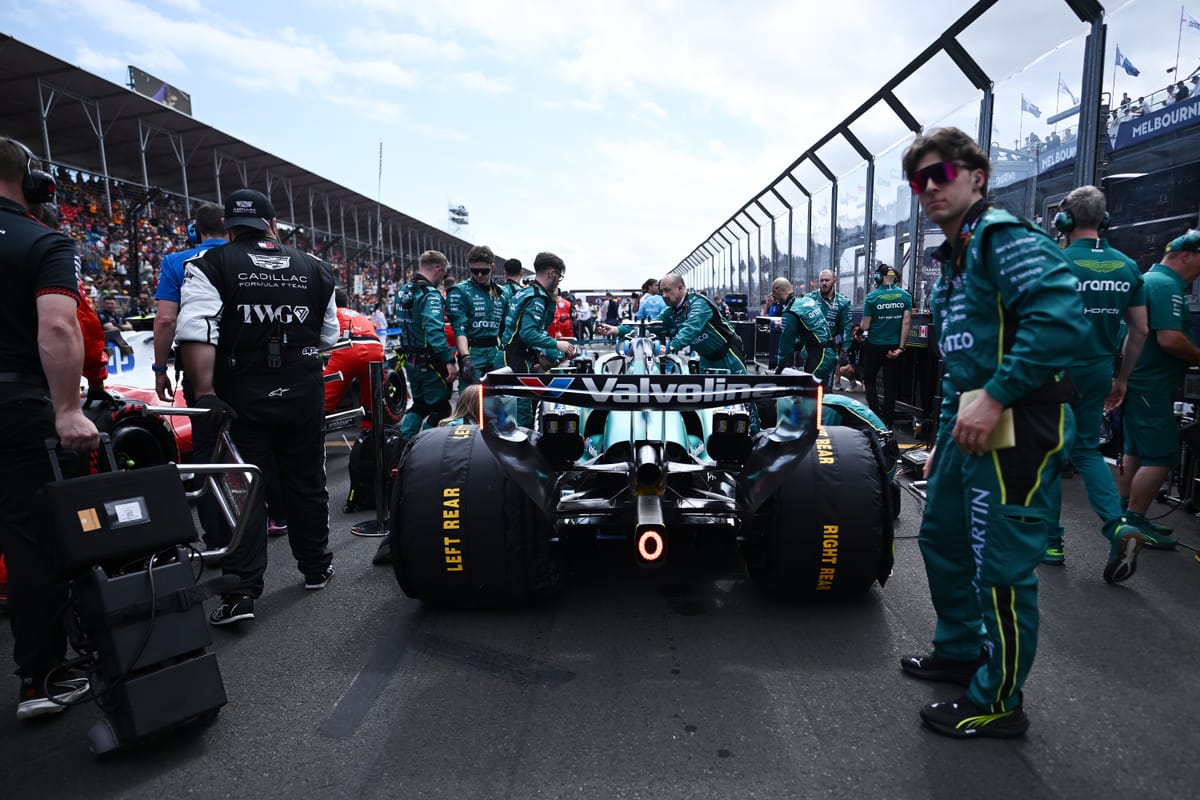
- The Lawson-Colapinto incident in Melbourne perfectly illustrated the danger. Lawson's Racing Bulls car anti-stalled with no battery power, while Colapinto's Alpine, benefiting from the new unit's intense electrical boost, had a lightning start. Colapinto's quick reflexes were all that prevented a crash as he swerved around the slow-moving car.
- Increased speed differentials exacerbate the risk. Colapinto noted he was already at over 200 km/h when he encountered Lawson. The 2026 cars' powerful electrical deployment means the speed difference between a car that nails its start and one that fails is extreme within just 2-3 seconds.
- This was a known concern. The FIA introduced practice start runs at the end of each day during pre-season testing in Bahrain specifically to help drivers adapt.
- Colapinto revealed these close calls are frequent, mentioning another near-miss with Lewis Hamilton on a straight in practice where large speed differences were also present.
What's next:
Perez's stark warning puts pressure on the FIA to investigate potential procedural or technical mitigations. While drivers will continue to refine their start techniques, the inherent unpredictability and high stakes of the current system suggest further incidents are likely. The governing body may need to consider adjustments, whether to the start protocol itself or to the energy deployment rules in the opening seconds of a race, to enhance safety before predictions of a "massive shunt" become a reality.
Original Article :https://www.motorsport.com/f1/news/franco-colapint-liam-lawson-f1-2026-massive-s...