


Ocon warns 2026 F1 cars may be 'difficult to pass' after early test
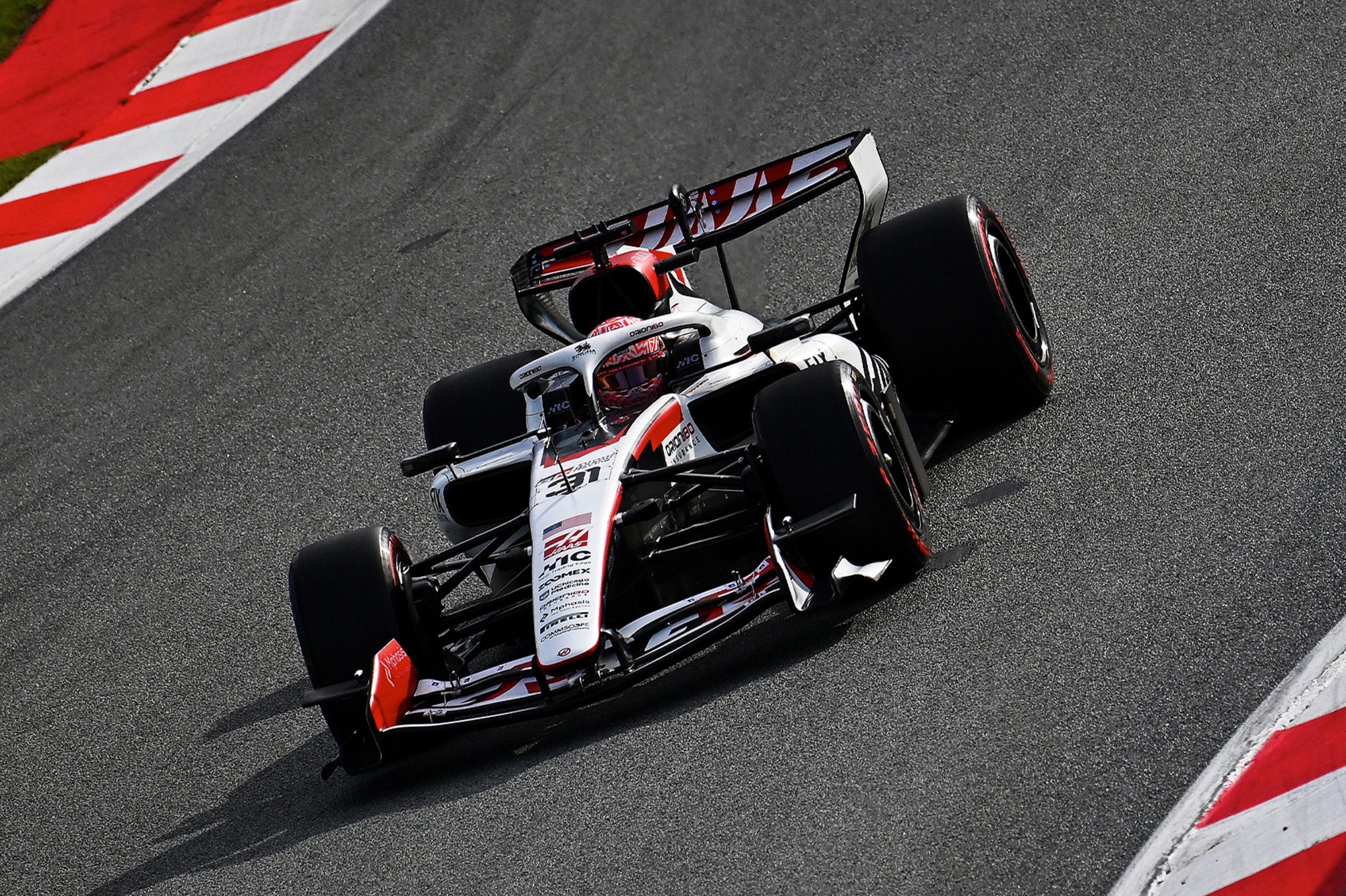
Esteban Ocon has raised early concerns that Formula 1's 2026 cars could make overtaking more difficult, not easier, following his first experience driving Haas's new-generation VF-26 in Barcelona. His initial feedback, echoed by teammate Oliver Bearman, suggests the cars designed to promote closer racing may struggle with a significant loss of front-end grip when running in another car's turbulent air.
Why it matters:
The primary goal of the 2026 regulations is to create better, closer racing by reducing aerodynamic sensitivity. If the first real-world tests indicate the problem of 'dirty air' persists or worsens, it could undermine the core objective of the sport's next major rules reset before the cars even hit the grid. The effectiveness of the new 'Overtake Mode' energy boost also depends on cars being able to follow closely, making this a critical early data point.
The details:
- Ocon sampled the VF-26 during three days of permitted running at the Circuit de Catalunya, where Haas completed nearly 400 laps.
- His immediate observation was a noticeable loss of front aerodynamic load when following another car, which he suggested might be more pronounced than with the current generation of cars.
- While he experimented with the new push-to-pass style 'Overtake Mode', he cautioned it was too early for definitive conclusions but stated his first thought was that it "looks to be difficult to pass."
- Rookie Oliver Bearman supported the assessment, noting that during his limited laps in traffic, the car experienced "quite a big shift in balance compared to clean air," which felt more severe than with current cars.
- Both drivers emphasized that the cars and systems are in early development and require optimization, but their initial impressions highlight a potential paradox in the 2026 concept.
What's next:
The early feedback from Barcelona provides crucial real-world data for F1 and the FIA as teams continue to develop their 2026 challengers. The coming months of simulation and further on-track testing will be focused on understanding and mitigating the balance shift in dirty air. The spectacle of the 2026 season hinges on solving this fundamental followability challenge, ensuring the new Overtake Mode can be used effectively and that the promise of closer racing becomes a reality.
Original Article :https://f1i.com/news/558377-difficult-to-pass-ocon-raises-early-alarm-over-2026-...