




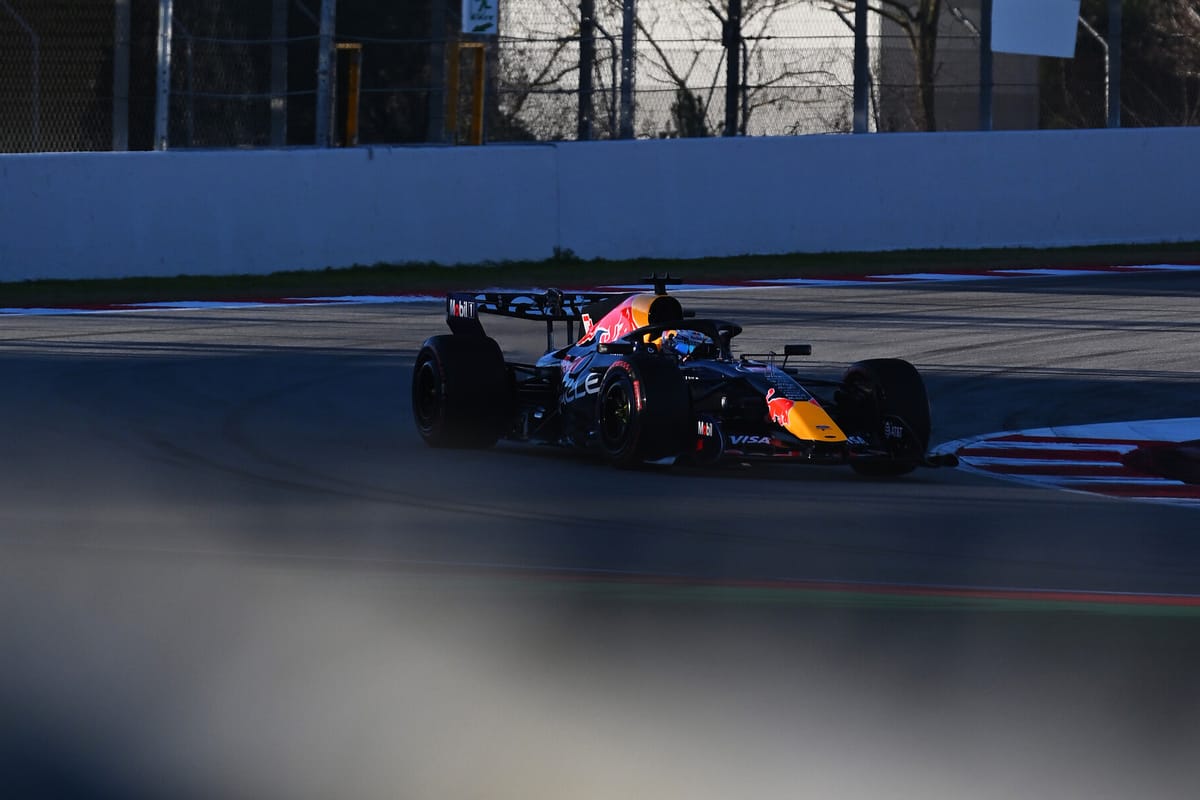


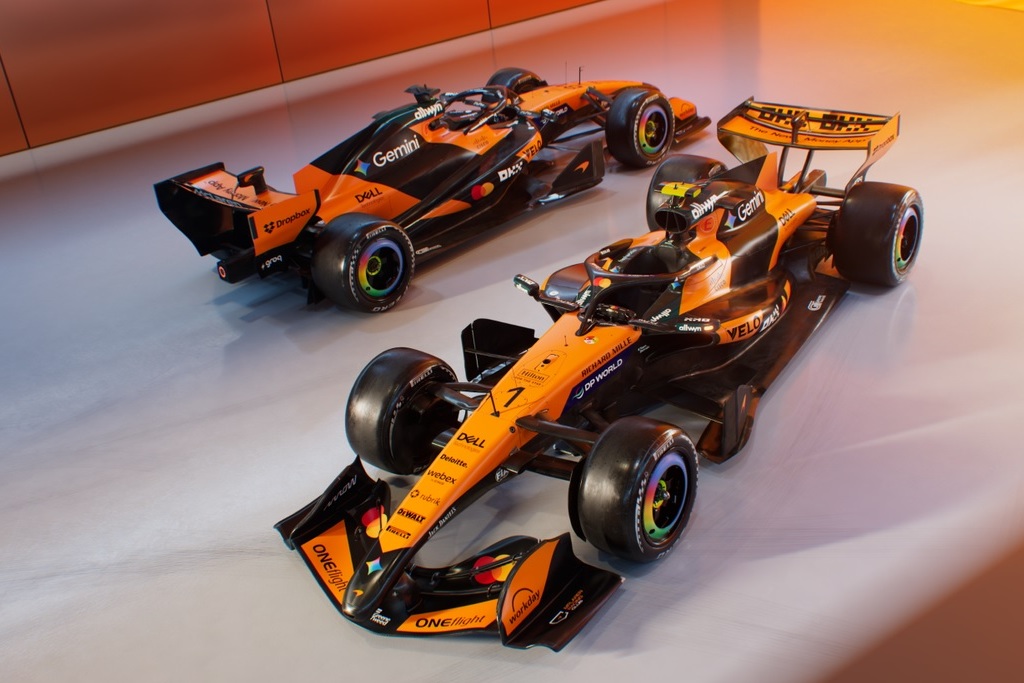
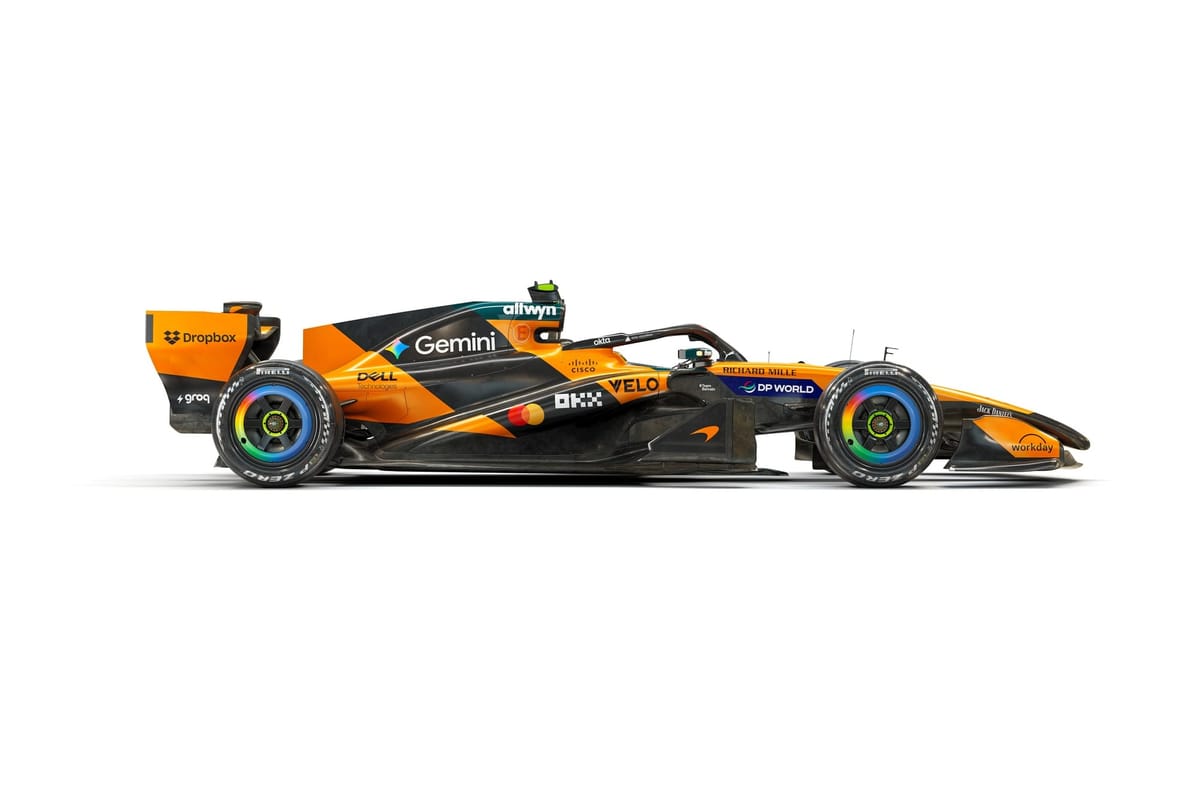
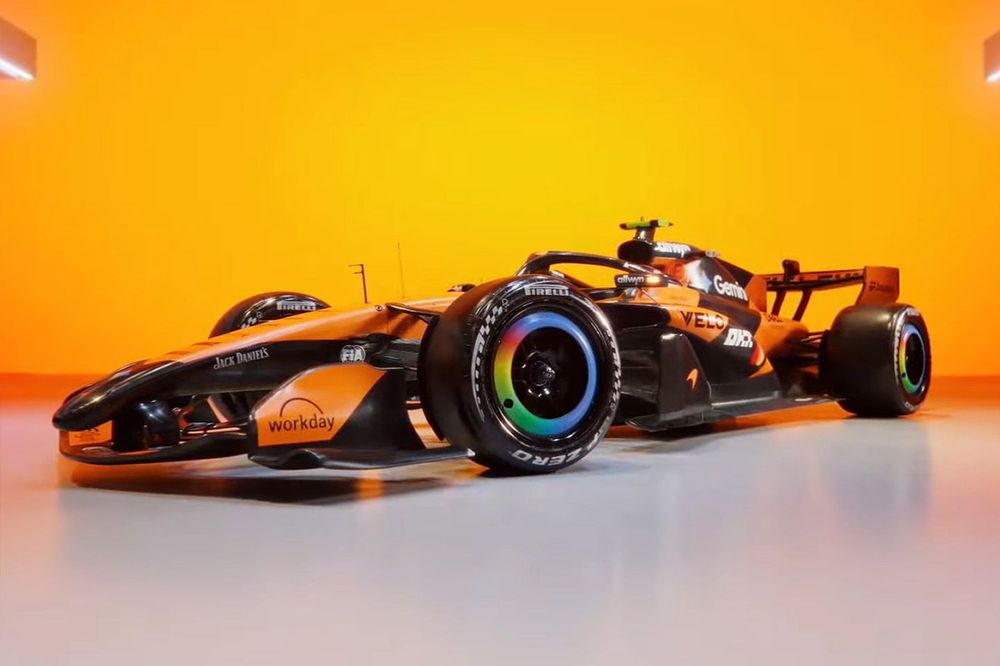
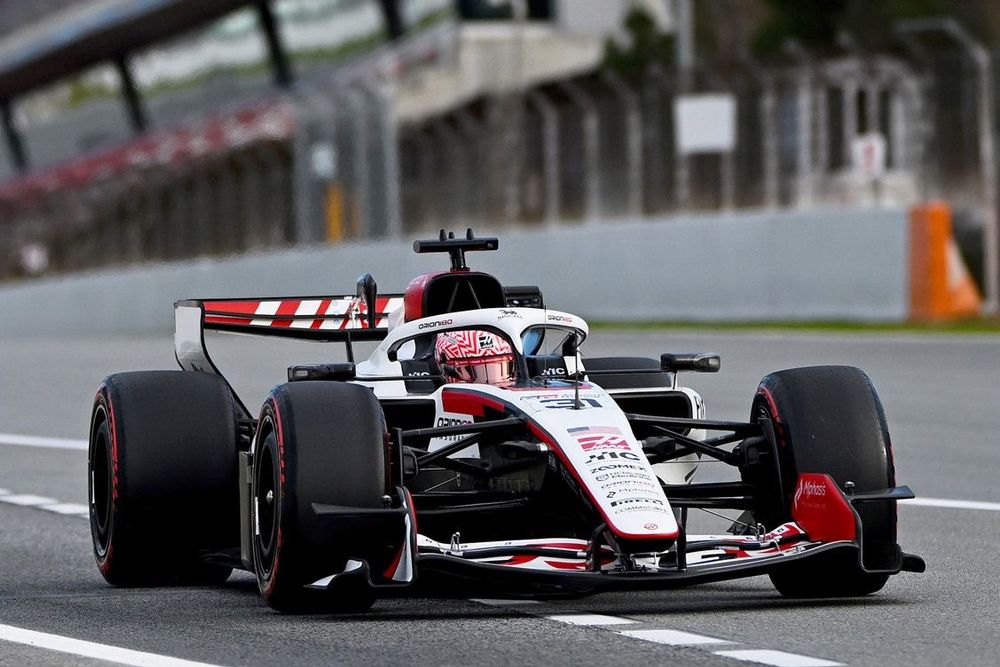
Ocon underwhelmed by 2026 F1 active aero, calls it 'just a DRS with the front'
Haas driver Esteban Ocon has expressed disappointment with the implementation of active aerodynamics in Formula 1's 2026 technical regulations, describing the system as essentially a front-wing DRS rather than the sophisticated, corner-by-corner tool he envisioned. While acknowledging its role in efficiency, Ocon believes the technology's potential is being underutilized with its simple on/off function.
Why it matters:
The 2026 regulations represent a major shift for F1, aiming to create closer racing and more sustainable cars. Driver feedback on these new tools is crucial, as their practicality and impact on the racing spectacle will define the next era. Ocon's critique highlights a potential gap between the regulation's intent and the drivers' desire for more nuanced, performance-enhancing controls, which could affect overtaking and car balance.
The details:
- Ocon stated the active aero, which features movable front and rear wings with set 'Corner' and 'Straight-Line' modes, feels like "just a DRS with the front."
- He later clarified his initial description of being "disappointed" was too strong, but maintained the system could be used "in a better way."
- The Frenchman contrasted the F1 system with his ideal of true active aero, citing the Pagani Huayra hypercar's ability to adjust front flaps for individual cornering needs to optimize balance.
- He explained the current tool is binary (on/off) and not detailed enough to allow for incremental flap angle adjustments, making it more of an efficiency device than a dynamic performance tool for drivers.
- Ocon is skeptical that the system can be significantly tweaked post-introduction due to this fundamental design limitation.
What's next:
While the core architecture of the 2026 active aero may be fixed, early driver feedback like Ocon's could inform future refinements in subsequent regulation cycles. The focus will now shift to how teams and drivers optimize the use of this system in conjunction with the new power unit's complex energy management, which Ocon has separately described as "annoying." The true test will come during the 2026 pre-season testing, revealing if these new tools deliver the intended racing improvements or validate the drivers' concerns.
Original Article :https://www.motorsport.com/f1/news/why-esteban-ocon-is-underwhelmed-by-f1-2026s-...