




Newey's AMR26 Reliability Crisis Hits Aston Martin Early
Summary
Aston Martin’s Newey‑designed AMR26 is beset by battery‑pack vibration, causing retirements and shifting focus to reliability. The issue stems from Honda’s power‑unit integration, delaying gains.
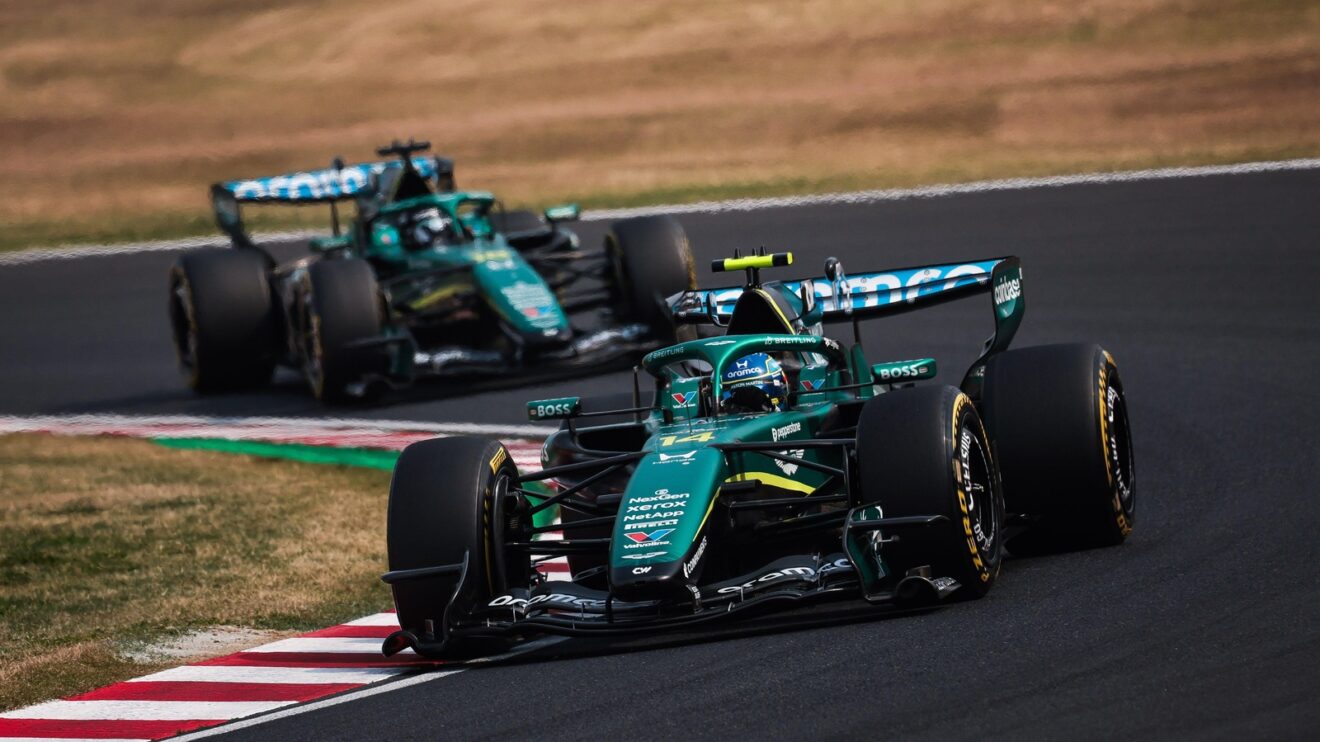
Aston Martin’s Newey‑designed AMR26 launched with high hopes, but early battery‑pack vibration forced retirements, pushing the team to prioritize reliability over speed. The problem arises from a mismatch between Honda’s power‑unit and the car’s stiff carbon chassis, leaving the squad at the back of the grid.
Why it matters:
- The AMR26 is Adrian Newey’s flagship at Aston Martin; its success will define the team’s return on Lawrence Stroll’s eight‑year investment.
- Honda’s re‑entry as a factory power‑unit supplier means the reliability of this package will shape the Japanese manufacturer’s F1 credibility.
The details:
- Battery‑pack vibration, amplified by the stiff carbon chassis, shut the power‑unit down during the Barcelona shakedown.
- In Bahrain testing both drivers suffered repeated ERS failures; the car retired on lap 9 in China when vibration caused driver discomfort.
- Newey said the PU acts as an “amplifier” for vibrations, while Honda admitted bench‑tested levels are acceptable but spike when mated to the AMR26.
What's next:
Aston Martin will pursue a new battery housing and tighter PU‑chassis integration, while Honda develops a more stable 2027 unit. The FIA’s ADUO upgrade window may bring incremental fixes, but pace is unlikely before the season’s second half.
Original Article :https://www.planetf1.com/news/adrian-newey-aston-martin-amr26-honda-reliability-...