




/GettyImages-2298357938.webp)

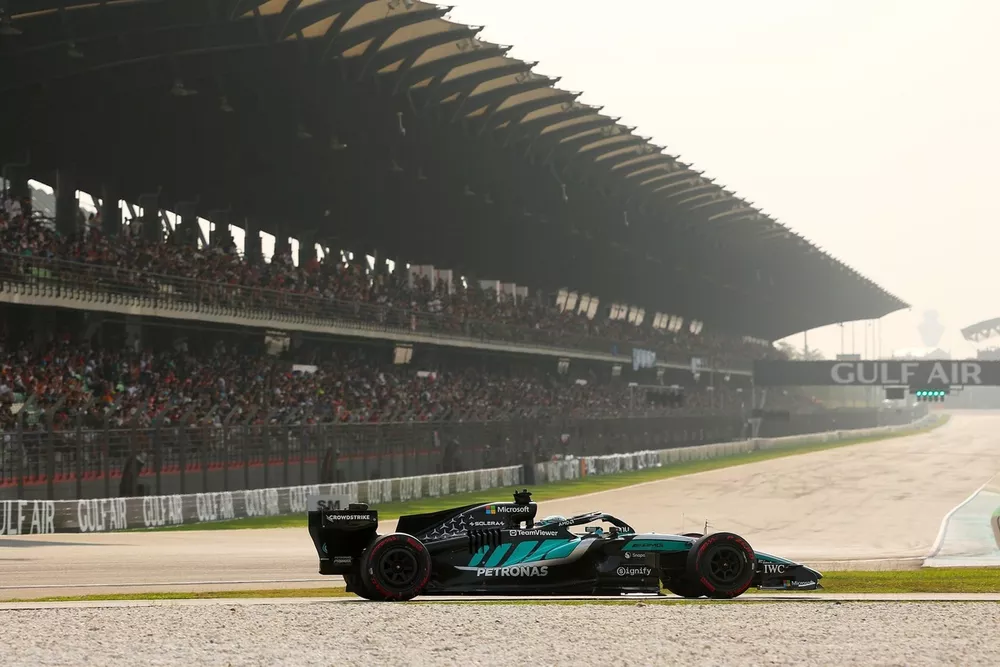
Mercedes W17 Struggles to Translate Major Aero Upgrades into Pace at Sepang
Mercedes took a calculated risk by introducing a sweeping aerodynamic update package at Sepang, a circuit the sport hasn't visited since 2017. However, the transition has been rocky, with the W17 struggling to find grip and stability on the track's notoriously abrasive asphalt, leaving the team without a clear baseline for comparison.
Why it matters:
For championship leader Kimi Antonelli and teammate George Russell, the inability to run back-to-back comparisons between the old and new specifications is a critical handicap. Because the upgrades required a fundamental redesign of the internal cooling architecture, the team committed both cars to the new spec, leaving them blind to whether the current struggle is a result of the new package or simply the unique characteristics of the Sepang surface.
The Details:
- Technical Overhaul: The update features a completely revised floor leading edge, a new diffuser, and redesigned furniture around the rear wheels.
- Sidepod Architecture: The team adopted a new sidepod profile, which necessitated a full redesign of the internal cooling system, making it impossible to swap specifications during the weekend.
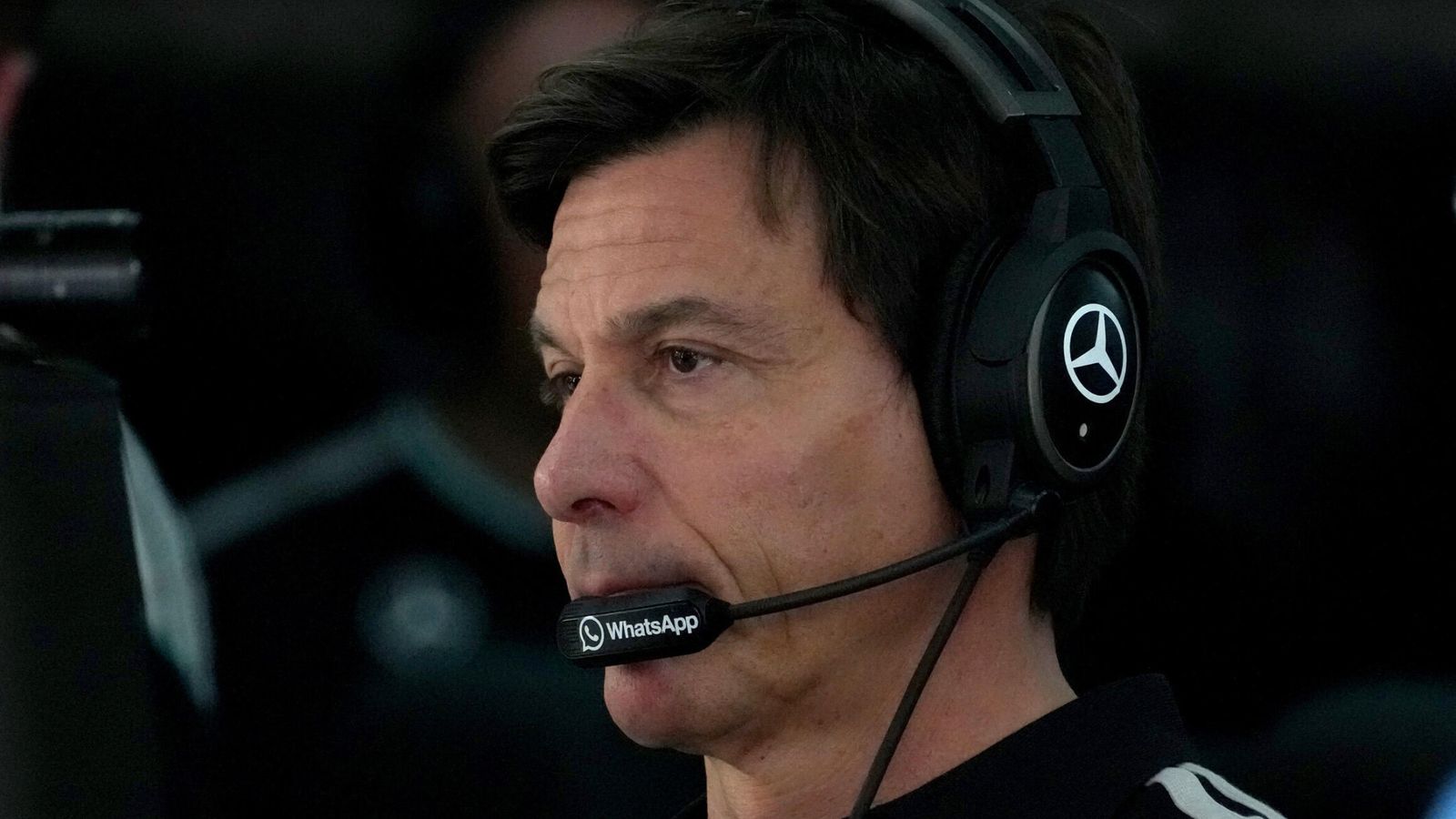
- Performance Deficits: Toto Wolff noted unprecedented behavior for the W17 this season, specifically high drag on the straights and severe understeer in low-speed corners.
- Track Variables: Sepang's open-aggregate surface, designed for wet-weather drainage, creates a "gravel-like" feel that appears to be disproportionately affecting the Mercedes chassis compared to its rivals.
The Big Picture:
There is a glaring contradiction between the wind tunnel and the tarmac. While George Russell confirmed that the "numbers" and simulations indicate a clear improvement, the lap times tell a different story. This gap suggests that the W17 is currently hypersensitive to surface abrasiveness, a variable that is difficult to simulate accurately and one that is masking the actual gains of the aero package.
What's next:
With Antonelli starting P4 and Russell in P8 (following Hadjar's penalties), the focus shifts to race trim. The true test will be whether the new package can manage tire degradation on this punishing surface. If Mercedes cannot reconcile their data with the on-track performance, they risk entering the final stages of the 2026 season with a fundamental misunderstanding of their car's operating window.
Original Article :https://www.motorsport.com/f1/news/why-mercedes-bahrain-gp-upgrade-is-still-a-bi...