




Mercedes returns to winning ways in 2026 F1 opener as new era brings mixed fortunes
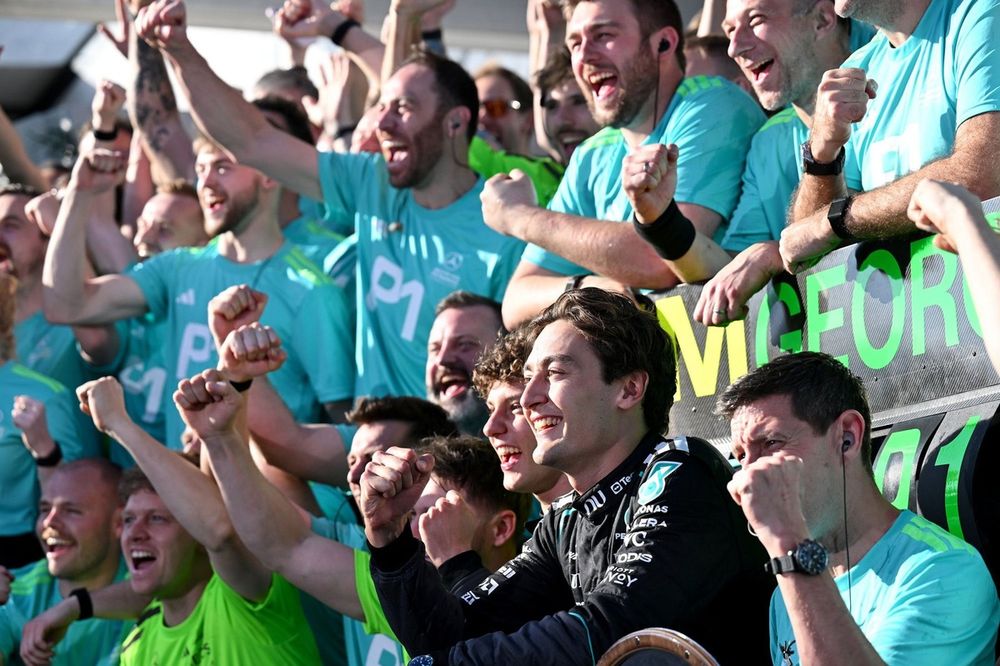
Mercedes reasserted itself at the front of the Formula 1 grid with a commanding one-two finish at the season-opening Australian Grand Prix, signaling a powerful return after four winless seasons. The victory for George Russell, supported by rookie Kimi Antonelli, was underpinned by a superior power unit and strategic mastery, while new entrants and customer teams faced a stark reality check in the complex new regulatory era.
Why it matters:
The 2026 season represents a fundamental reset with new power unit and chassis regulations, making the opening race a critical indicator of which teams have successfully navigated the transition. Mercedes's immediate return to the top validates its technical direction and puts immense pressure on rivals, while the severe struggles of the new Aston Martin-Honda partnership highlight the immense risk and difficulty of these new rules, potentially reshaping the competitive order for years to come.
The details:
- Mercedes's Masterclass: The team executed a near-perfect weekend, leveraging a power unit from Brixworth that appears to be the class of the field, particularly in complex energy deployment. Strategic misdirection around a "compression ratio saga" during winter testing successfully diverted attention from its true performance gains.
- Aston Martin-Honda's Crisis: The much-hyped works partnership endured a disastrous debut, with crippling vibrations from the Honda power unit destroying battery cells and severely limiting mileage. Both Fernando Alonso and Lance Stroll retired, exposing deep-seated integration and reliability issues that threaten to derail Lawrence Stroll's championship ambitions early.
- New Manufacturer Success: In contrast to Honda's woes, the other new power unit suppliers, Red Bull-Ford Powertrains and Audi, delivered commendably reliable and competitive debuts. Red Bull emerged as a likely third-fastest team, while Audi scored points with Gabriel Bortoleto, exceeding midfield expectations.
- Customer Team Lag: McLaren, a frontrunner at the end of the previous era, struggled significantly, lacking both power unit optimization and mechanical grip compared to its factory Mercedes counterpart. Oscar Piastri failed to start his home race after a crash on the warm-up lap.
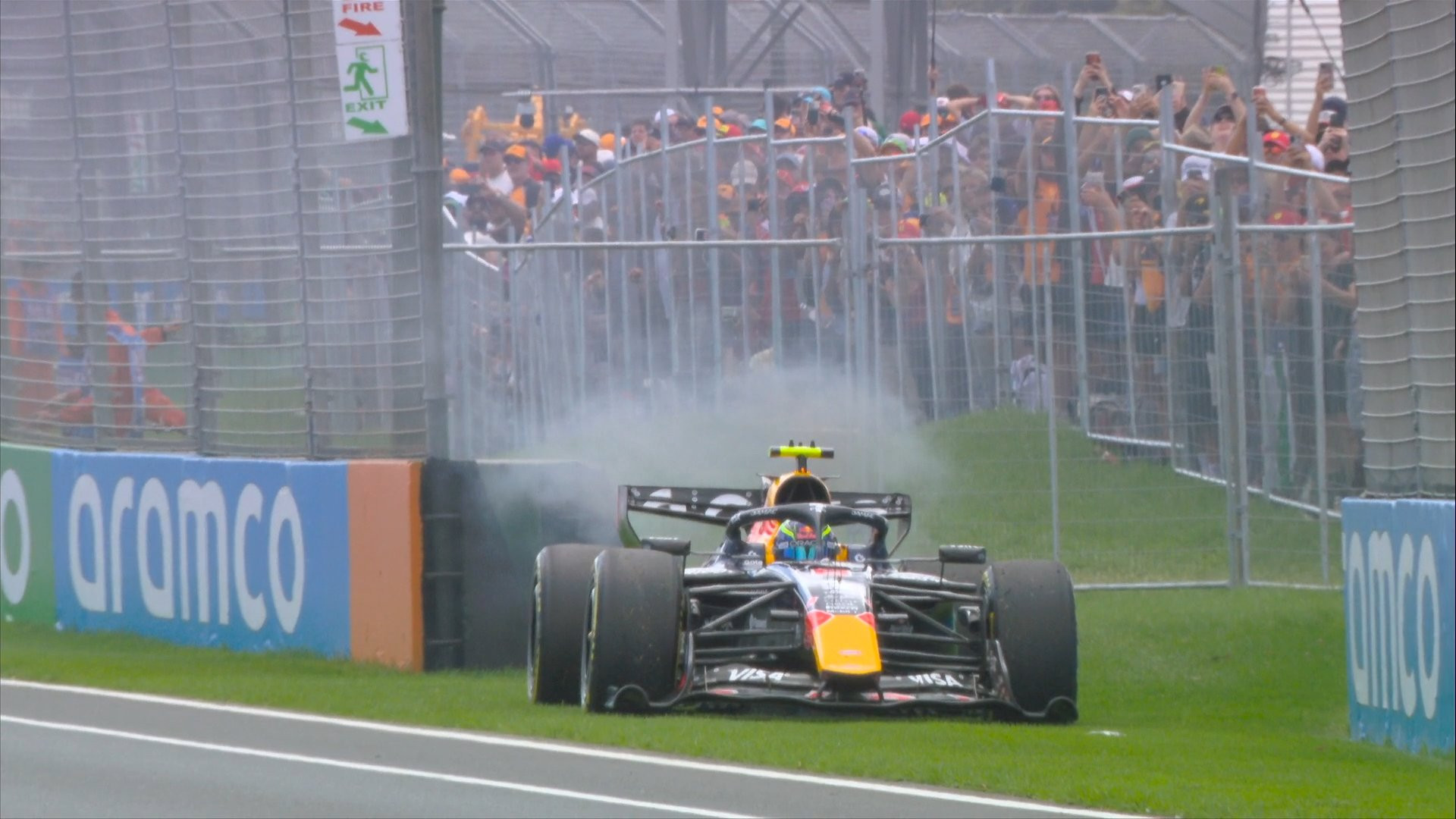
- Debutant Resilience: The new Cadillac team, operating as F1's first expansion team in a decade, earned respect by getting one car to the finish line with Sergio Perez, achieving its core objective of a credible debut despite predictable teething problems.
What's next:
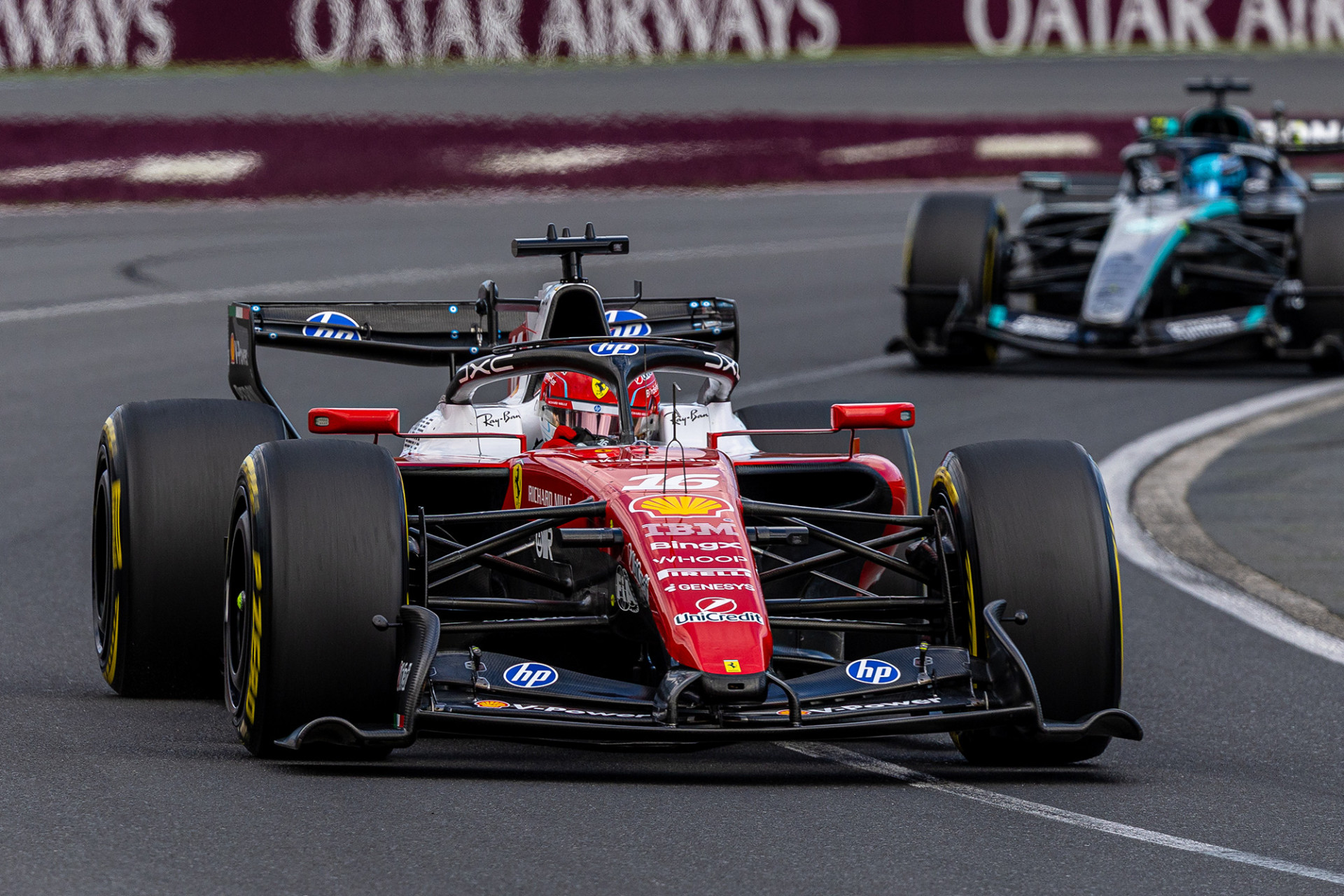
The Australian GP has set the early narrative, but the development race is now wide open. Mercedes must consolidate its advantage, while Ferrari, which showed promising pace, looms as the closest challenger. The pressure is immense on Aston Martin and Honda to quickly diagnose and solve their fundamental vibration issues to salvage their season. For midfield teams like Williams, which also struggled with an overweight car, and McLaren, the focus will be on rapid upgrades to close the gap to the leading factories. The true pecking order will continue to evolve over the next several races.
Original Article :https://www.motorsport.com/f1/news/winner-and-losers-from-f1-chaotic-australian-...