




Mercedes dominates 2026 Australian GP with 1-2 finish as Ferrari strategy falters
Mercedes secured a commanding 1-2 victory in the 2026 Australian Grand Prix, with George Russell leading home teammate Andrea Kimi Antonelli. The win was solidified by a strategic misstep from Ferrari, whose early race challenge unraveled after choosing not to pit during critical Virtual Safety Car periods, handing the initiative to the Silver Arrows.
Why it matters:
The result immediately establishes Mercedes as the early benchmark in Formula 1's new technical era, showcasing both strong car performance and sharp strategic thinking. For Ferrari, the race highlights a recurring vulnerability in race-day decision-making that could prove costly in a tight championship fight, especially after showing promising one-lap and early-race pace.
The details:
- The race start was marred by drama as local hero Oscar Piastri crashed on his reconnaissance lap and Nico Hulkenberg's Audi failed to reach the grid, leaving two cars unable to start.
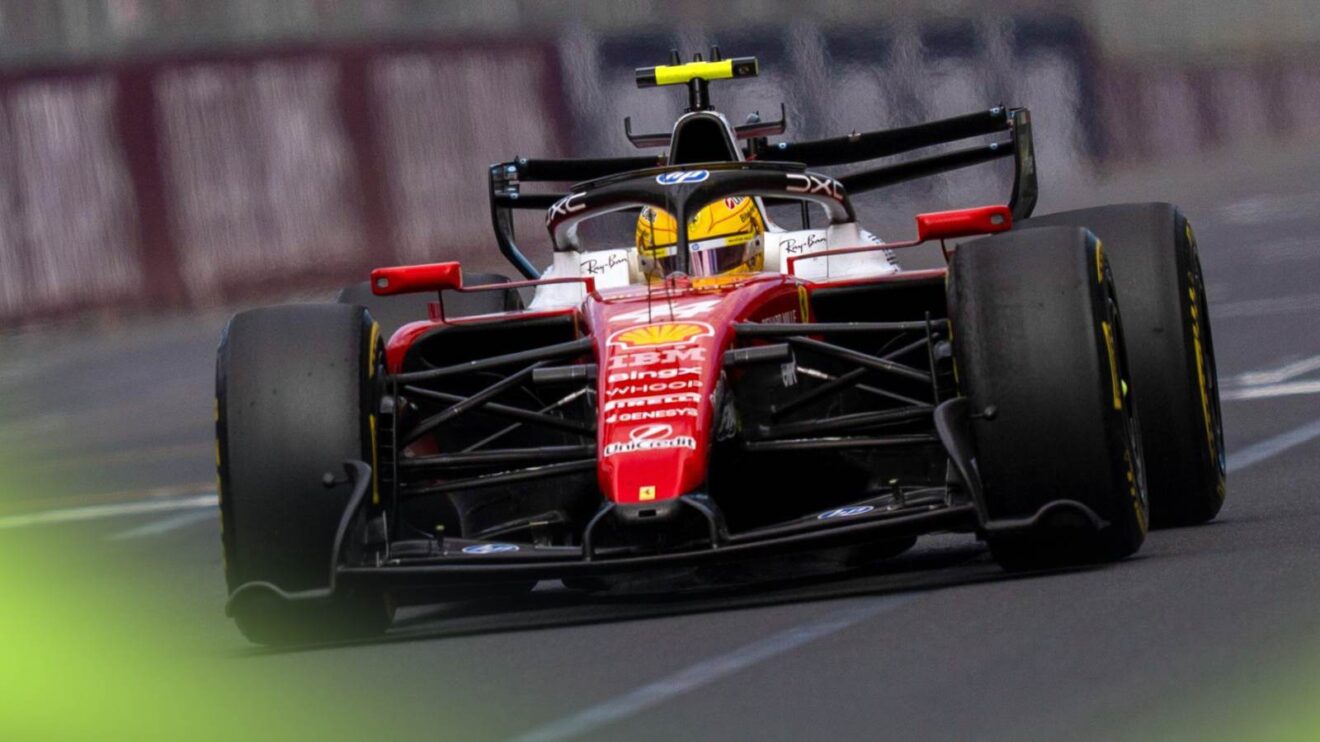
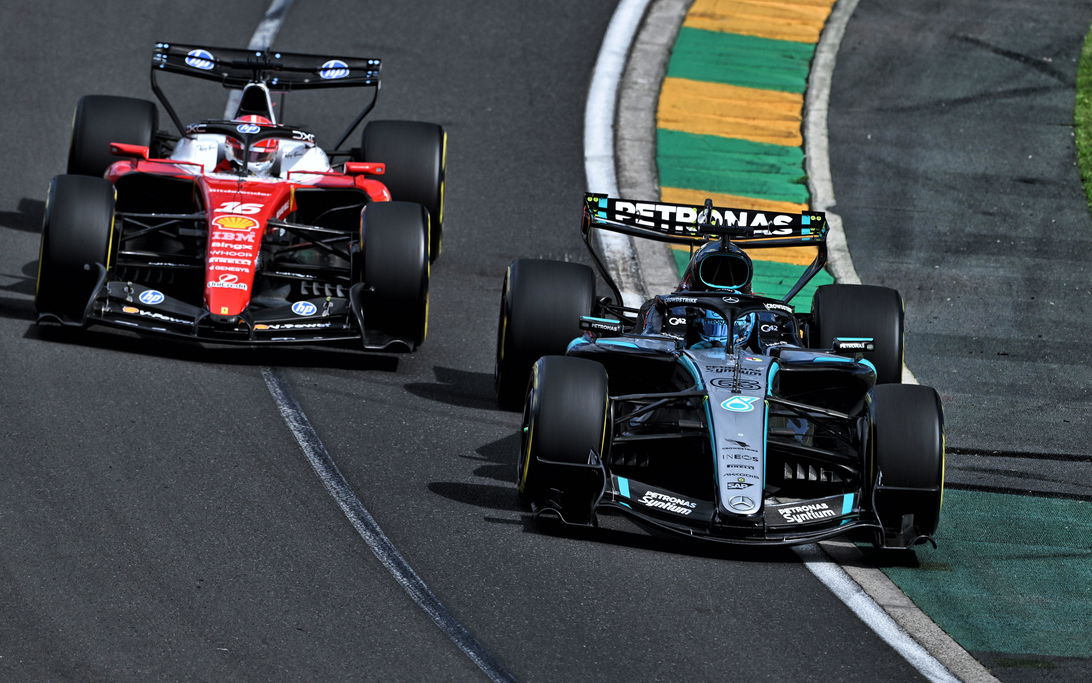
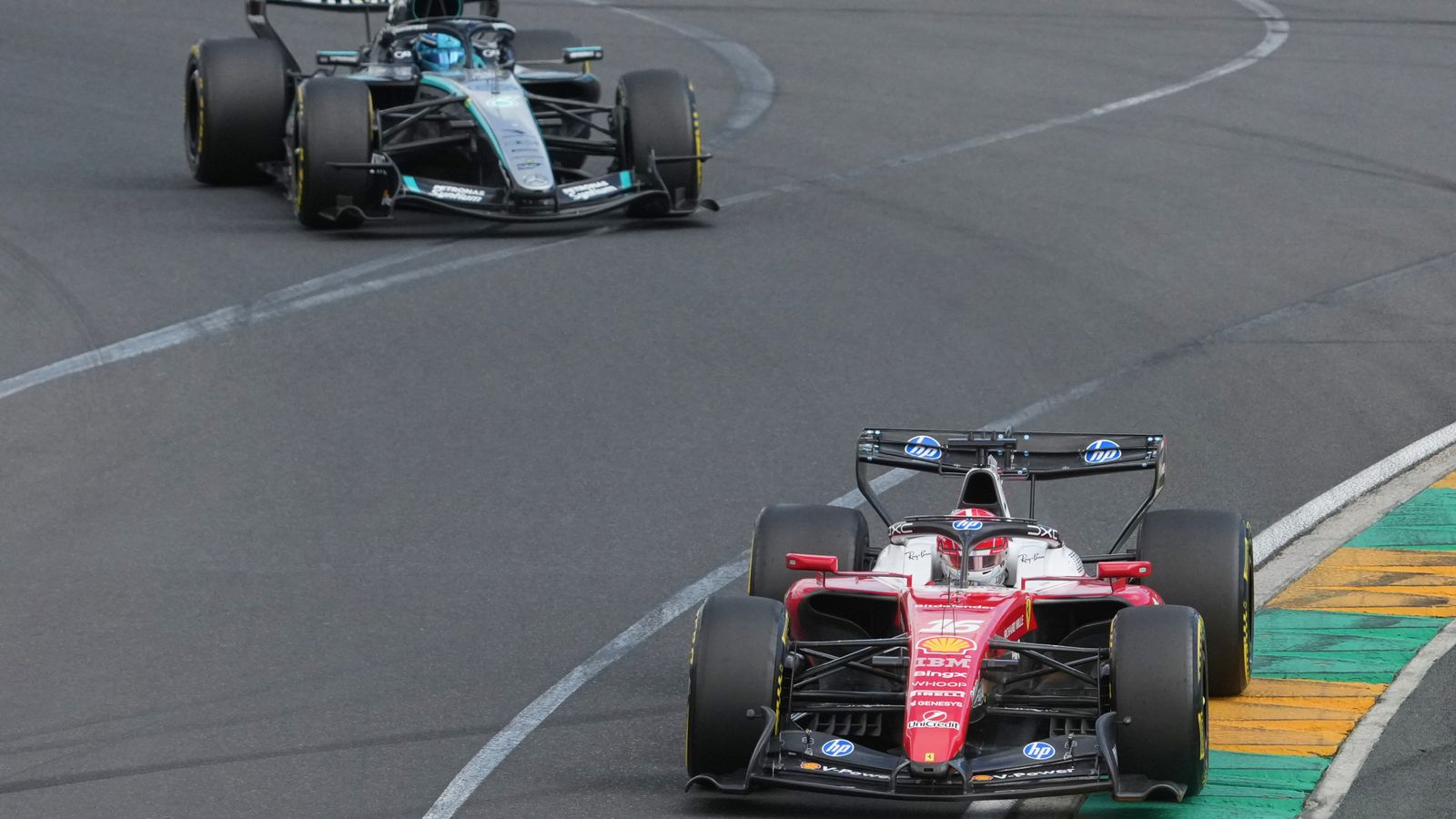
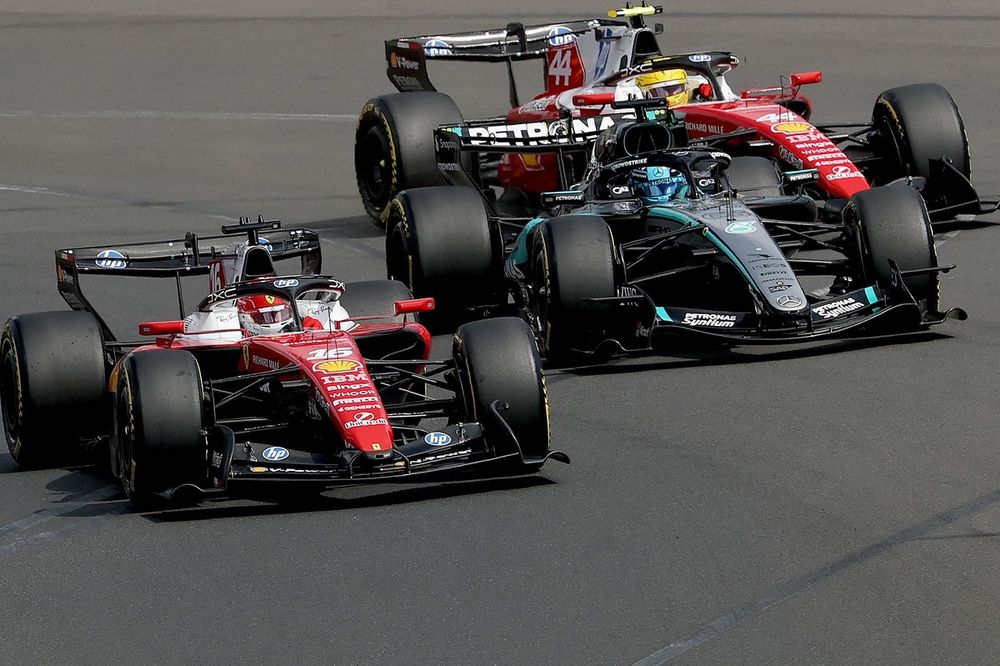
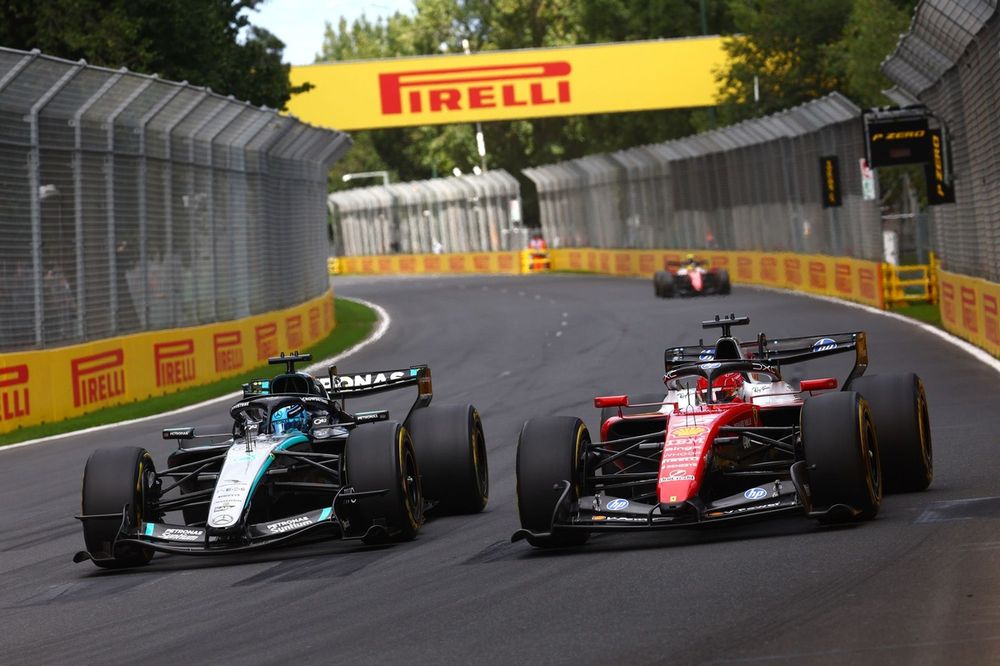
- Ferrari's Charles Leclerc, starting fourth, seized the lead at the start, engaging in a fierce early duel with polesitter Russell. The two swapped positions multiple times in the opening laps, with Leclerc using superior energy deployment on the straights to regain the lead in Turn 9 on several occasions.
- The race's pivotal moment came during two Virtual Safety Car periods, triggered by retirements for Isack Hadjar (Red Bull) and Valtteri Bottas (Cadillac). Mercedes double-stacked its cars for hard tires, while Ferrari controversially left both Leclerc and Lewis Hamilton out on track.
- This strategic divergence proved decisive. Leclerc emerged from his later pit stop over 16 seconds behind Russell, a deficit he could not recover. Hamilton, who questioned the strategy call over team radio, also lost significant ground.
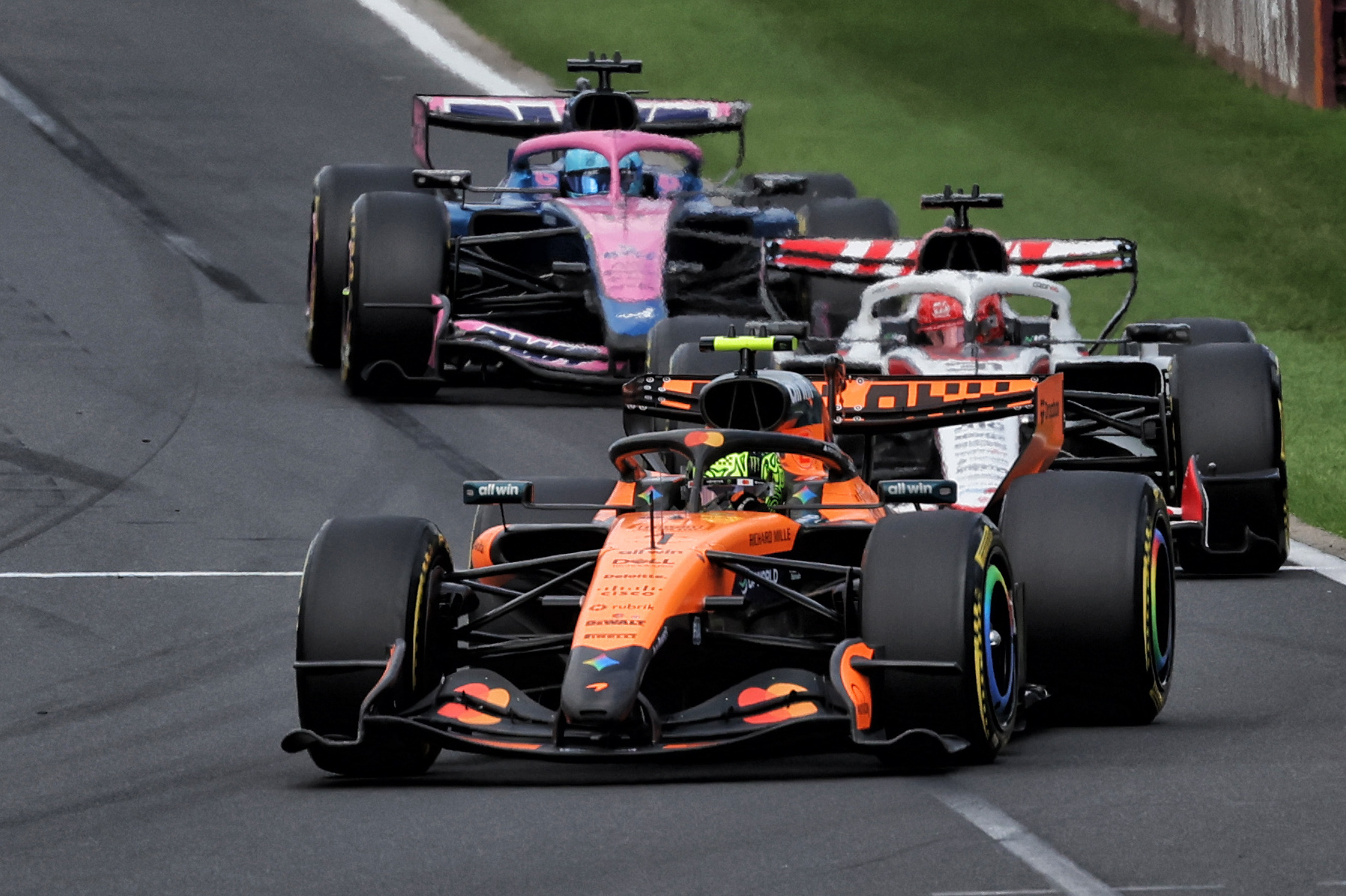
- Max Verstappen recovered from the back of the grid to finish sixth, showcasing strong race pace for Red Bull after a two-stop strategy. Lando Norris bested him in a late battle to claim fifth for McLaren.
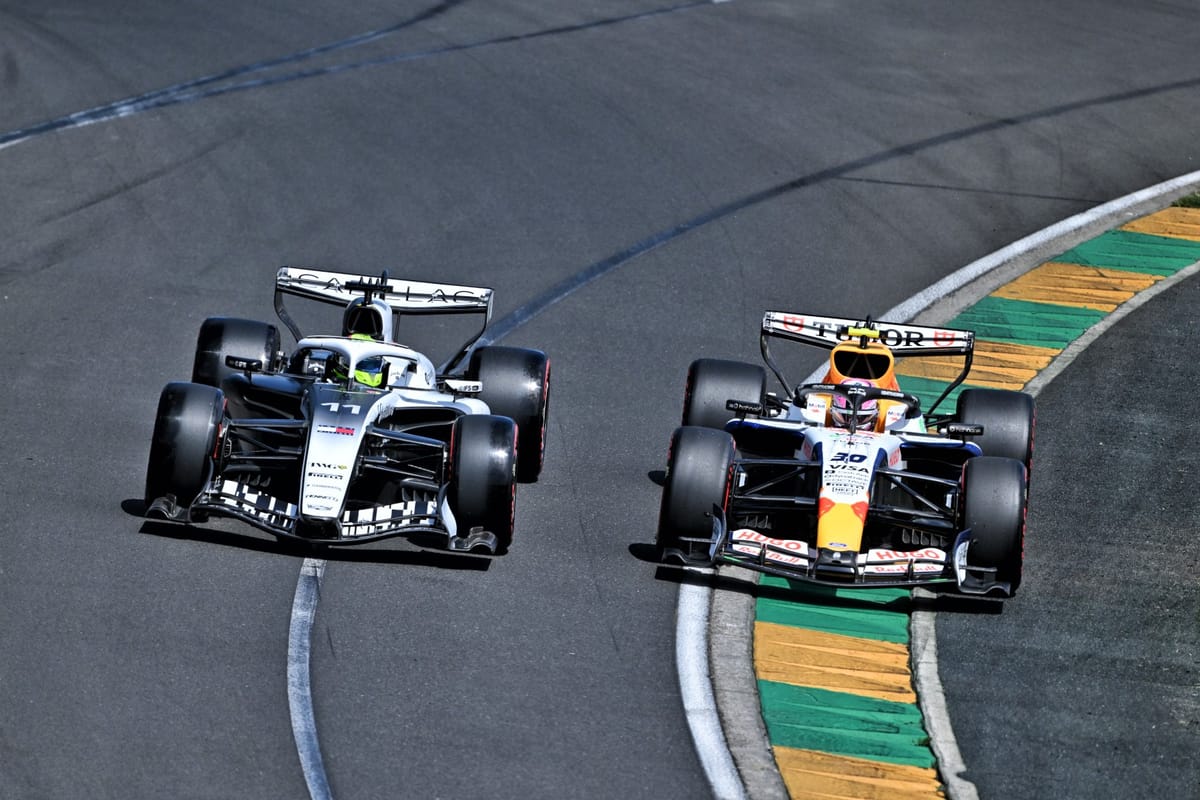
- Further down, Oliver Bearman won the midfield battle for Haas to finish seventh, ahead of Arvid Lindblad (Racing Bulls), Gabriel Bortoleto (Audi), and Pierre Gasly (Alpine).
- Aston Martin's difficult weekend continued with both cars suffering from severe Honda power unit vibrations. Fernando Alonso retired, while Lance Stroll finished 15 laps down but was classified.
What's next:
Mercedes leaves Melbourne with maximum points and a significant psychological advantage. The team's ability to execute a flawless race under pressure sets a high standard. Ferrari must urgently review its strategic processes to convert its inherent car speed into race wins. The midfield battle appears incredibly tight, with Haas, Racing Bulls, and Audi all scoring points. All eyes now turn to the next round as teams assess their true competitive order and begin the development race in earnest.
Original Article :https://www.motorsport.com/f1/news/f1-australian-gp-race-report/10803241/