





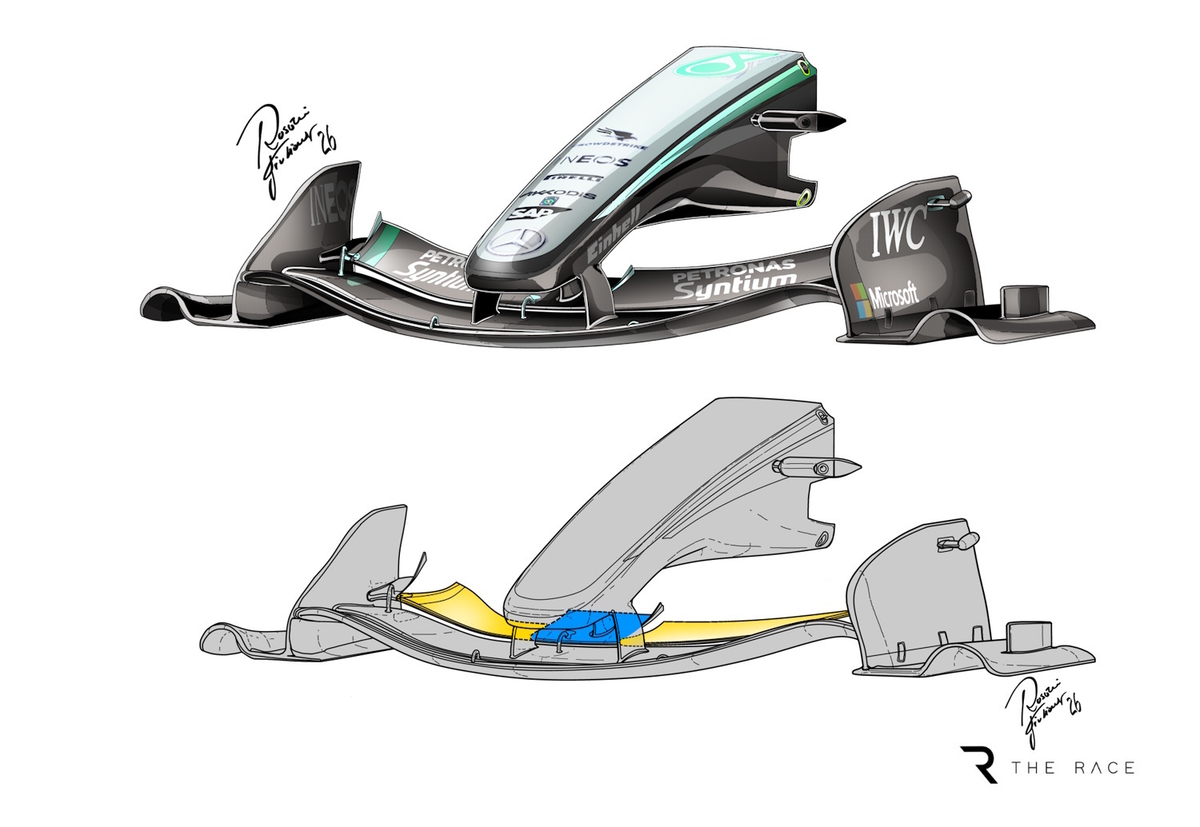
Mercedes and Aston Martin diverge from F1 2026 active aero convention
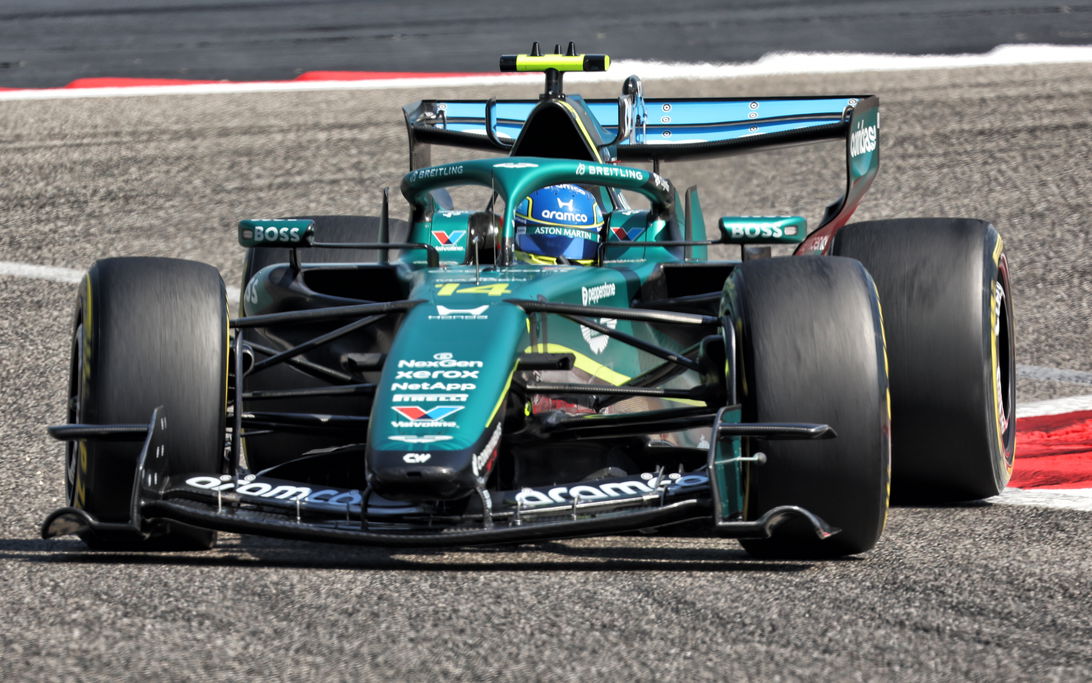
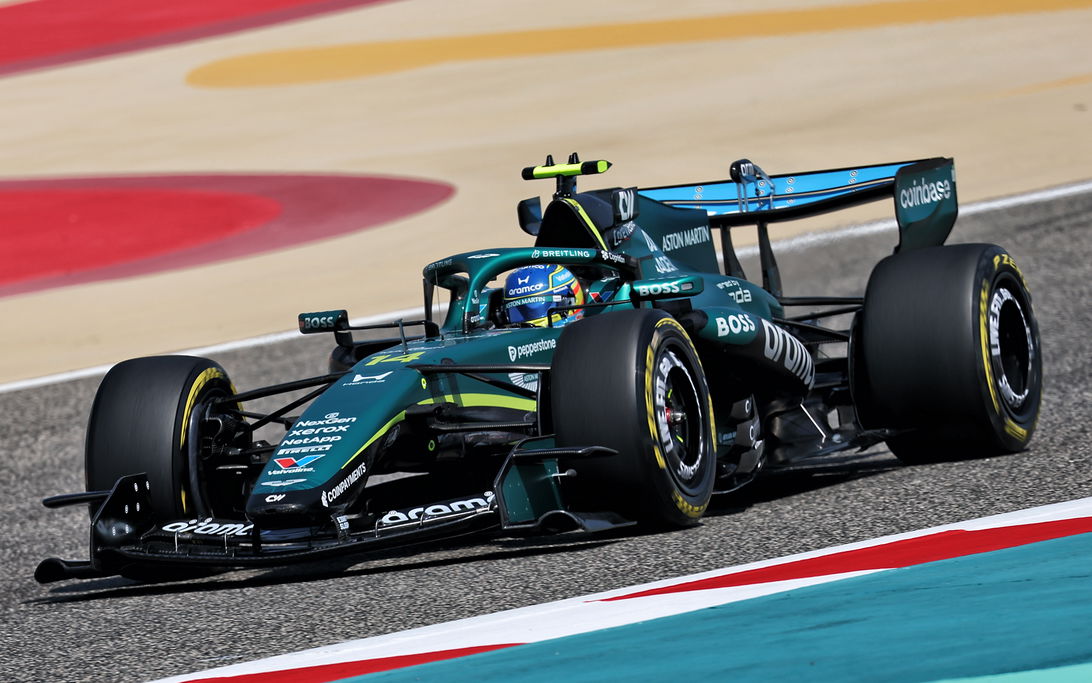
Mercedes and Aston Martin have adopted an unconventional front wing design for F1's 2026 active aerodynamics, mounting the nose to the middle wing element while most rivals connect it to the mainplane. This structural choice influences how their movable wings operate and signals early technical divergence as teams explore the new regulations.
Why it matters:
The design split reveals how top teams are interpreting the complex trade-offs of the new active aero rules. With front and rear wings now opening together to reduce drag, every aerodynamic and structural decision has cascading effects on car balance, responsiveness, and overall performance. These early choices could set development paths for the entire season.
The details:
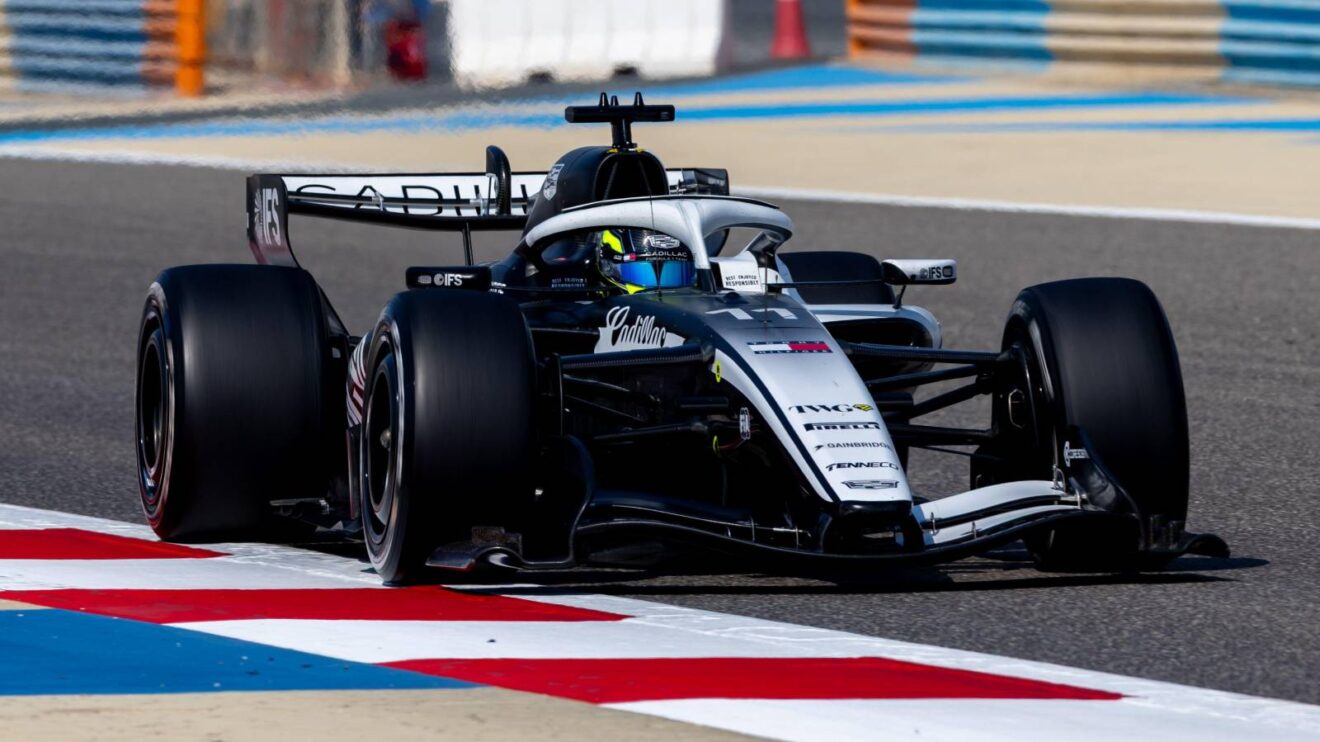
- During preseason testing, footage showed most teams—including Ferrari—using a conventional design where the nose is mounted to the mainplane, allowing both the upper and middle front wing elements to move for maximum drag reduction.
- Mercedes and Aston Martin have opted to fix their nose to the middle element, meaning only the topmost flap moves when active aero is engaged.
- This unconventional approach has several potential rationales:
- Aerodynamic Shaping: It may allow for a shorter, higher nose tip, directing more airflow under the car—a critical consideration as the front wing sets the flow for the entire chassis.
- Balance and Response: Keeping the middle element fixed could provide more consistent downforce, making the car feel less "lazy" when the wings activate through slight corners or kinks, as noted by drivers like Oscar Piastri.
- Structural Integrity: Mounting to the mid-plane, which carries the maximum load, offers a more robust foundation for the front wing assembly.
- At the rear, Alpine has also deviated from the norm with a design that slides the wing's trailing edge backward, rather than using the conventional DRS-style "clamshell" opening. This may offer faster reactivation of downforce but potentially less drag reduction.
What's next:
These early design philosophies will be tested and developed throughout the season. Front wings are frequently upgraded, but if the nose-mounting concept proves integral to a car's overall aerodynamic concept, changing it mid-season would be a significant undertaking. Teams may also move away from traditional families of wings (high/medium/low downforce) and instead fine-tune their active aero deployment strategies track-by-track. How Mercedes and Aston Martin's outlier choice performs in direct competition will be a key technical storyline to watch in 2026.
Original Article :https://www.the-race.com/formula-1/outlier-active-aero-choices-are-an-early-f1-2...
